






Best Practices for Using Safety Helmets in Saudi Arabia’s Industrial Workplaces
- Posted by: Tajudheen
Workplace safety begins with protecting what matters most, that is the life of the people. Head injuries remain one of the most common risks across construction sites, factories, and maintenance operations, often caused by falling objects, accidental impacts, or electrical exposure.
Safety helmets play a vital role in preventing such injuries, but their effectiveness depends on proper selection, usage, and maintenance. Following the right best practices ensures maximum protection, comfort, and compliance in any work environment.
Why Safety Helmets Are Important
Head injuries can occur unexpectedly and may lead to serious consequences. Safety helmets are designed to:
- Absorb impact from falling objects
- Protect against accidental collisions
- Provide insulation in electrical environments
- Improve overall workplace safety
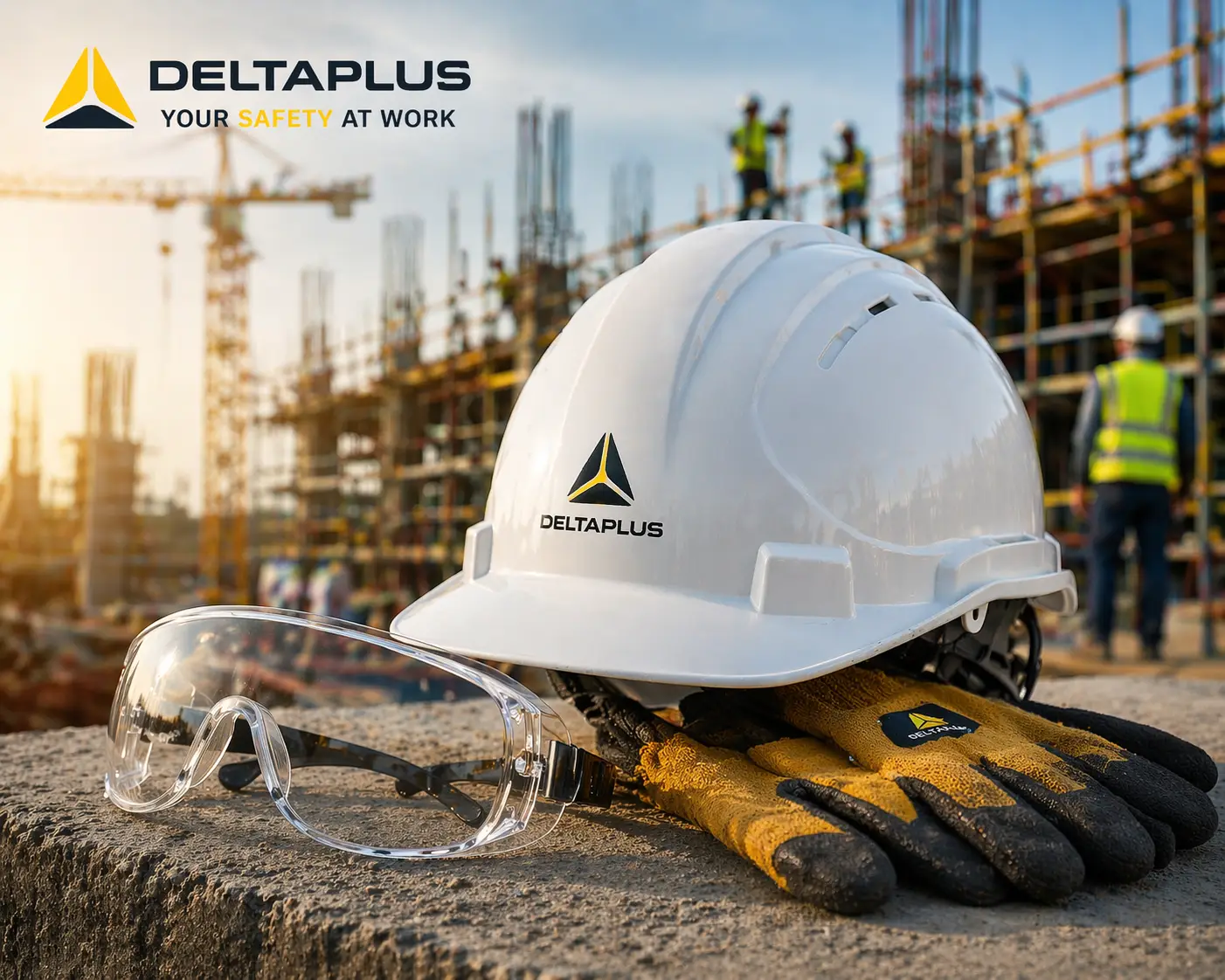
Using high-quality helmets such as Delta Plus safety helmets ensures reliable protection and durability in demanding conditions.
Best Practices for Using Safety Helmets
1. Choose the Right Type of Helmet
Select a helmet based on the work environment. For example, non-vented helmets are ideal for electrical work, while standard helmets are suitable for general construction.
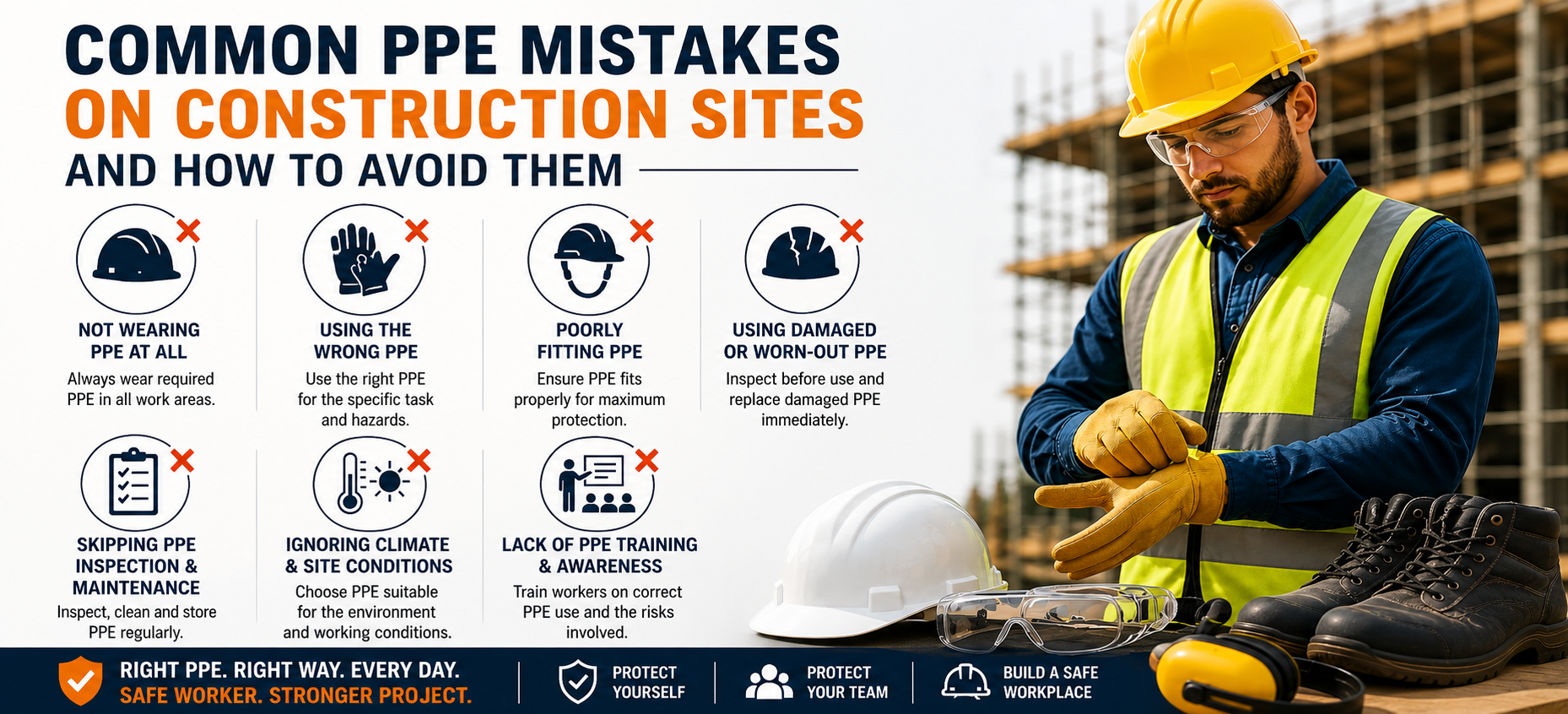
2. Ensure Proper Fit and Adjustment
A helmet must fit securely to provide effective protection. Adjustable systems help achieve a snug fit, preventing the helmet from slipping during work.
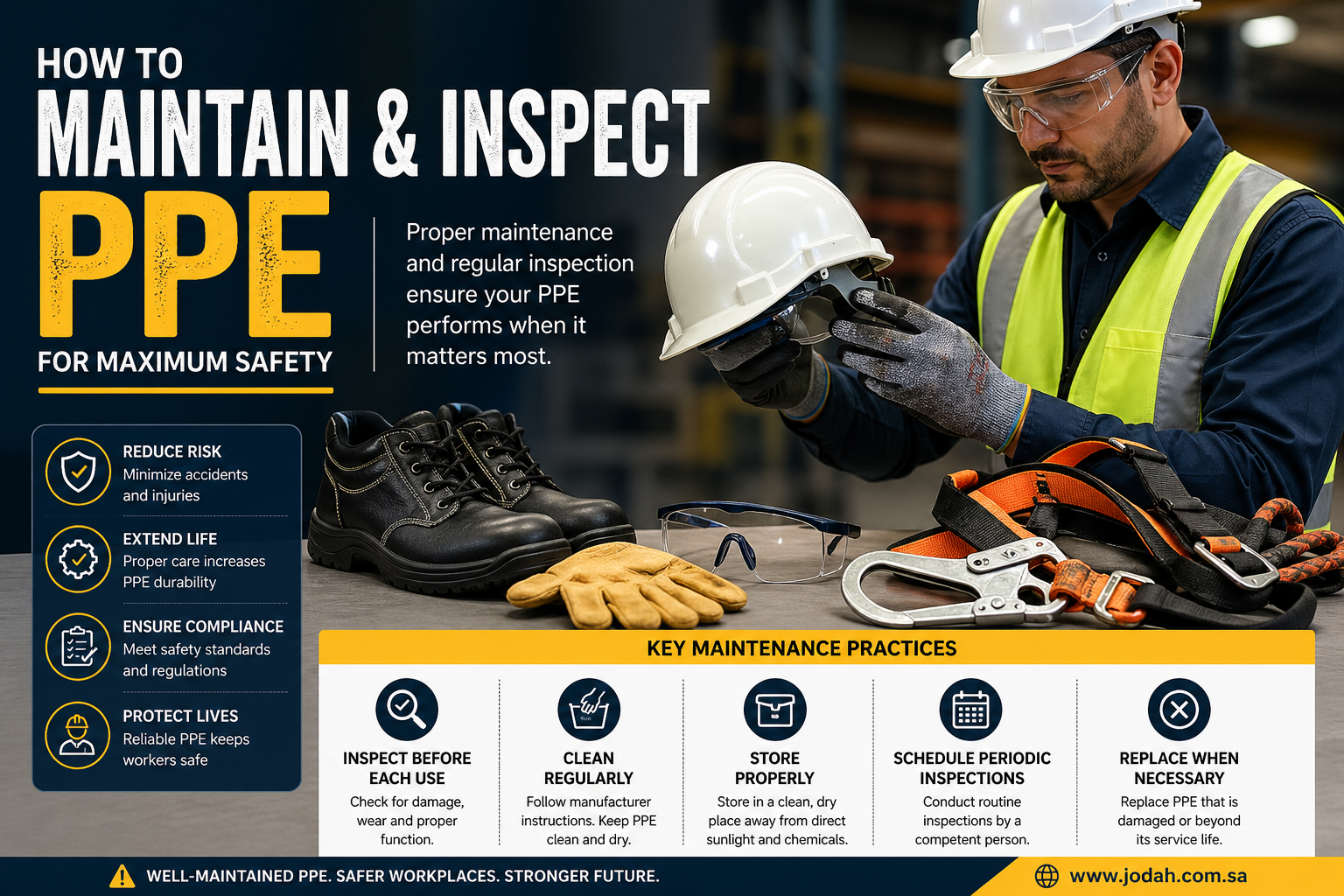
3. Inspect Before Every Use
Always check for:
- Cracks or damage to the shell
- Worn-out suspension system
- Loose or broken parts
Damaged helmets should be replaced immediately.
4. Use Certified Safety Helmets
Ensure the helmet meets recognized safety standards such as EN397 and EN50365. Certified helmets guarantee reliable performance in hazardous environments.
5. Replace Helmets When Necessary
Even if no visible damage is present, helmets should be replaced after a certain period or after any significant impact.
6. Maintain and Clean Regularly
Regular cleaning helps maintain hygiene and allows early detection of wear and tear. Avoid harsh chemicals that may weaken the helmet material.
7. Prioritize Comfort for Long Use
Lightweight helmets with proper padding and ventilation improve comfort, encouraging workers to wear them consistently.
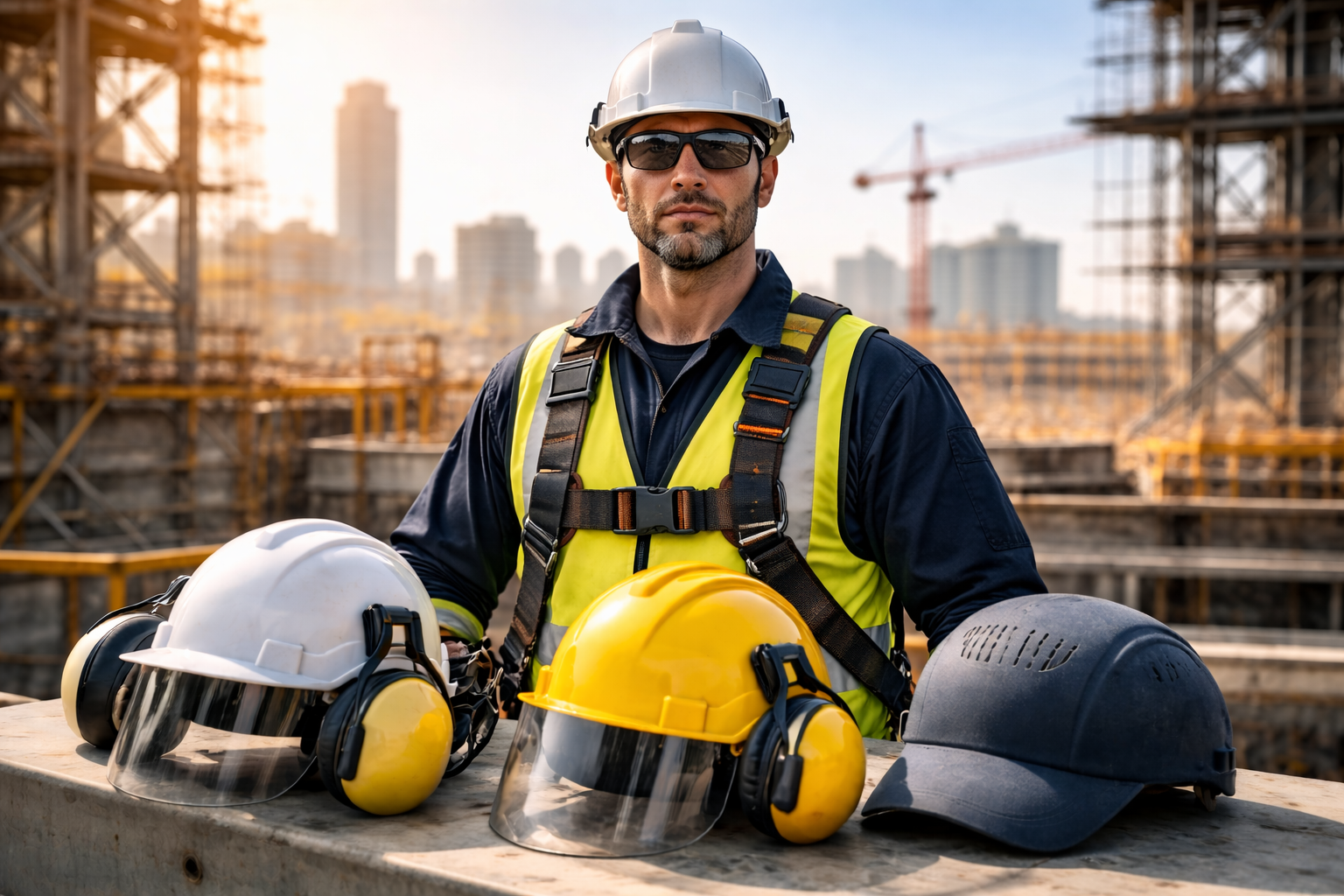
8. Use Compatible Accessories
Enhance protection by using accessories such as:
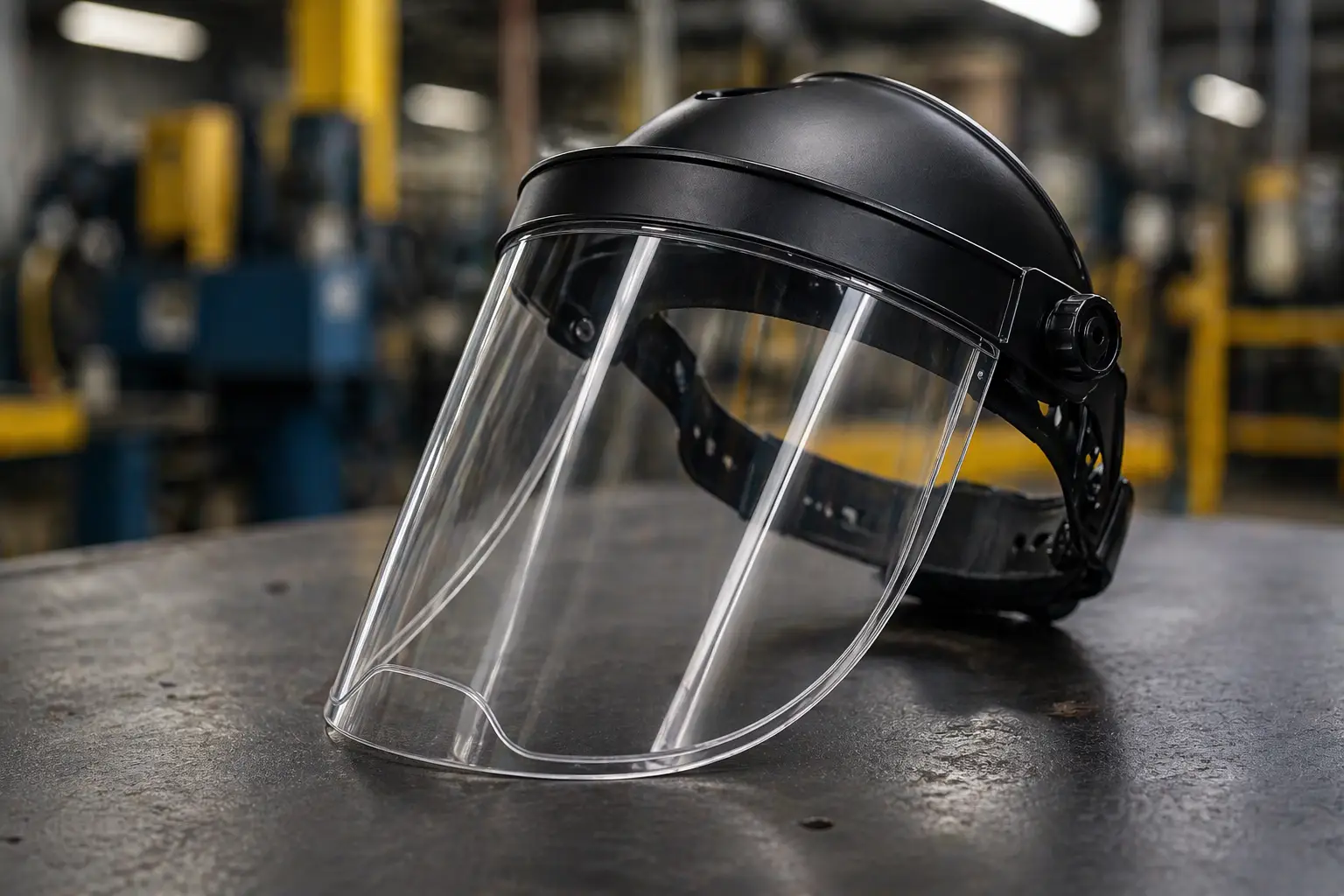
- Face shields
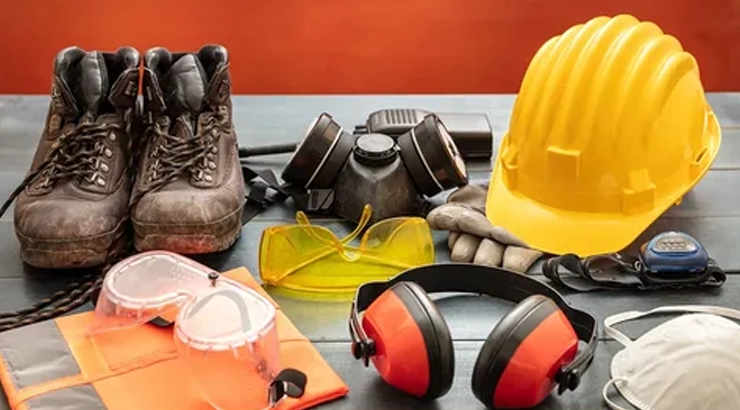
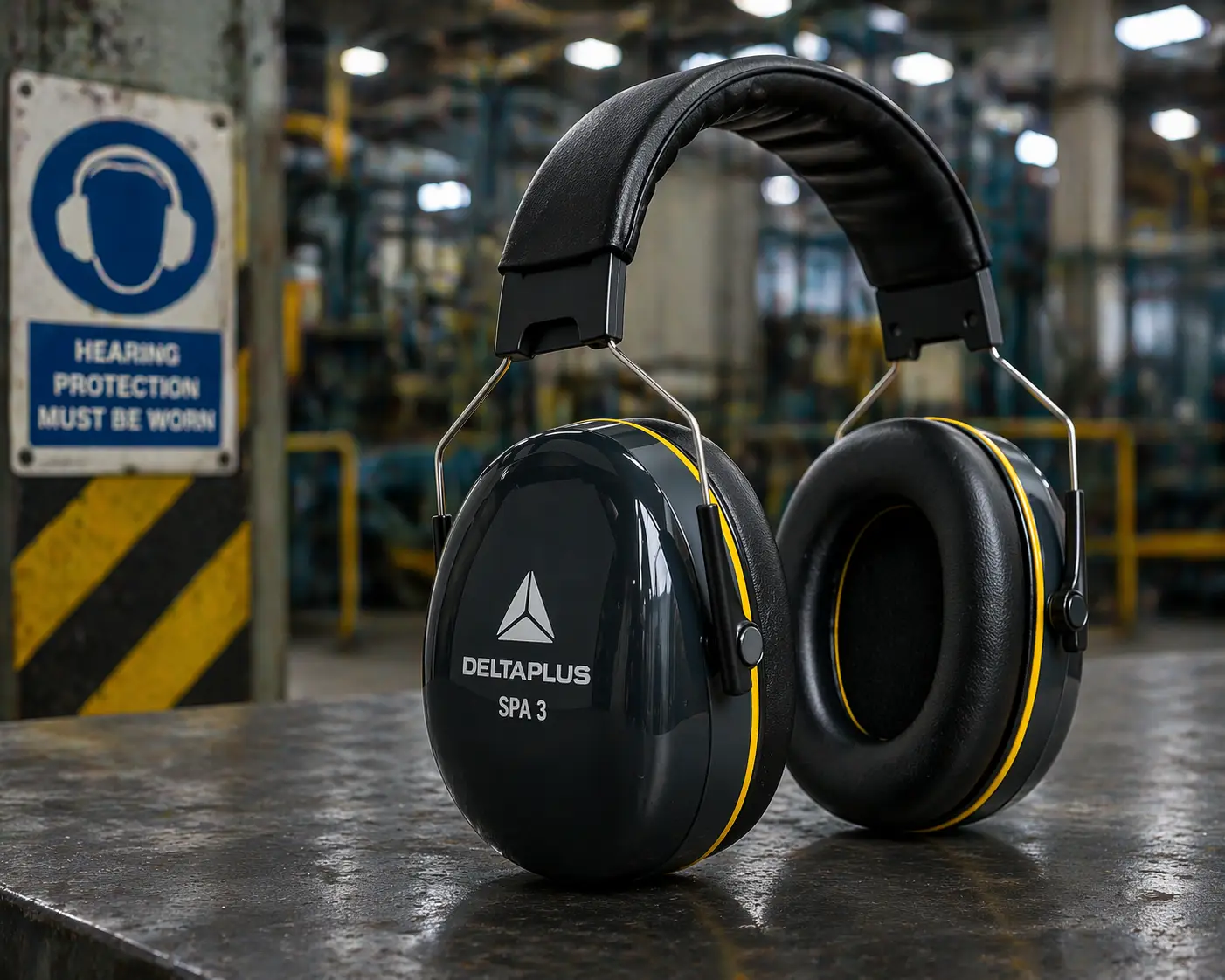
- Ear protection
- Visors
9. Train Workers on Proper Usage
Proper training ensures workers understand how to wear helmets correctly and recognize when replacements are needed.
10. Store Helmets Properly
Store helmets away from direct sunlight, heat, and chemicals to extend their lifespan.
Delta Plus Safety Helmets in Saudi Arabia
Delta Plus is a globally recognized brand known for high-quality personal protective equipment. Their safety helmets are designed to meet international standards while offering comfort, durability, and advanced protection.
As an authorized distributor and stockist of Delta Plus in Saudi Arabia, JODAH supplies a wide range of safety helmets suitable for various industrial applications, ensuring availability and reliability for local businesses.
Safety helmets are essential for protecting workers from serious head injuries. By following best practices and choosing high-quality products, companies can significantly improve workplace safety and compliance.
Investing in trusted solutions like Delta Plus safety helmets ensures long-term protection, efficiency, and peace of mind.