



PPE Selection Tips for Different Industries
- Posted by: Hadiya
Oil & Gas | Construction | Manufacturing
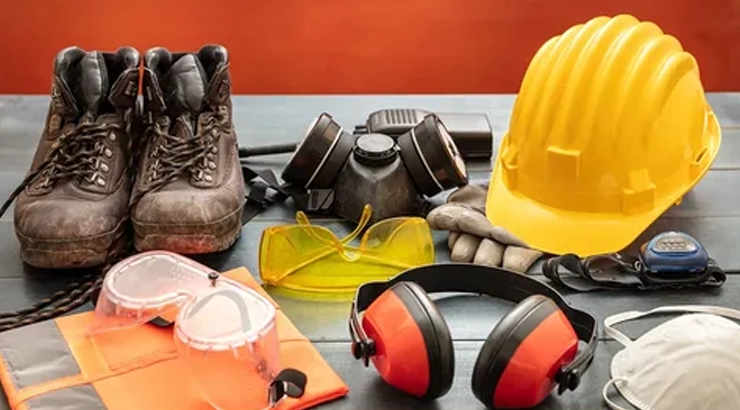
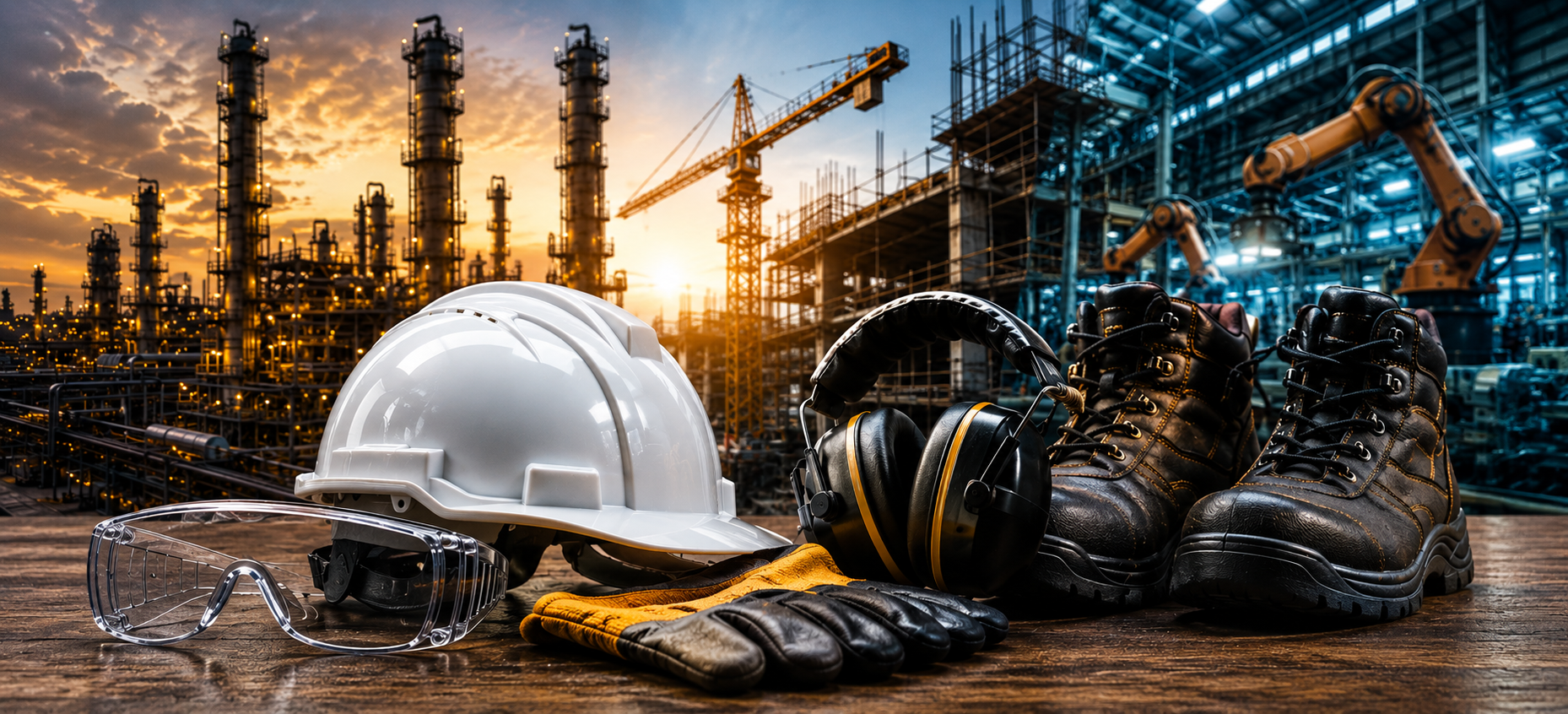
Personal Protective Equipment (PPE) must be chosen based on the specific risks of each industry. Using the right PPE improves worker safety, ensures regulatory compliance, and minimizes downtime caused by workplace injuries.
Why Industry Specific PPE Matters
Every industry faces different hazards chemicals, falling objects, machinery, heat, or noise. Choosing the wrong PPE can lead to accidents, non-compliance, and higher operational costs. Industry specific PPE ensures better protection, comfort, and worker acceptance.
Oil & Gas Industry
Key Risks: Chemicals, fire, explosions, noise, slips
Essential PPE:
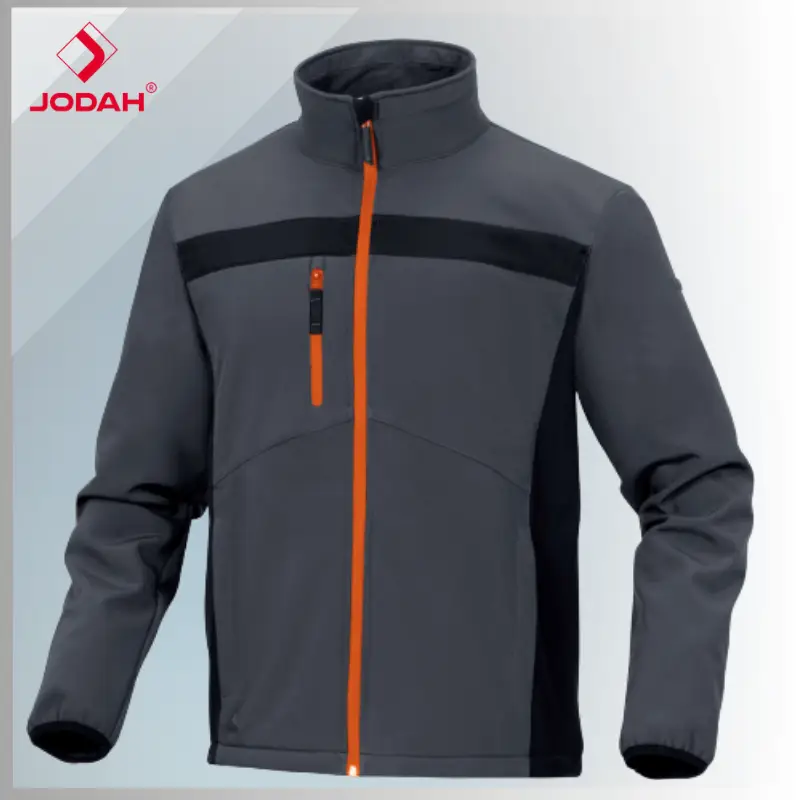
- Flame resistant clothing
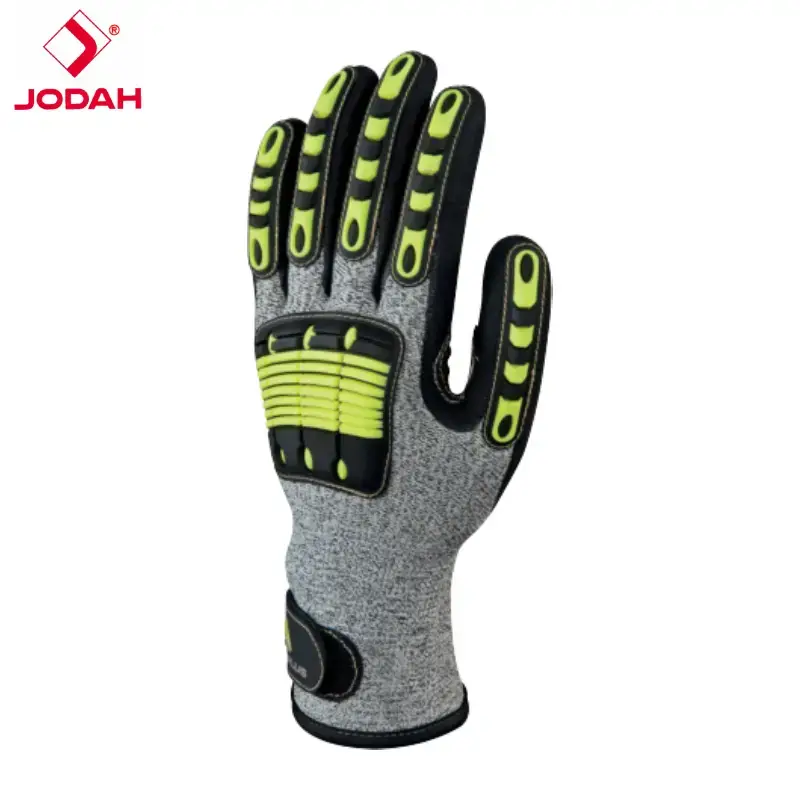
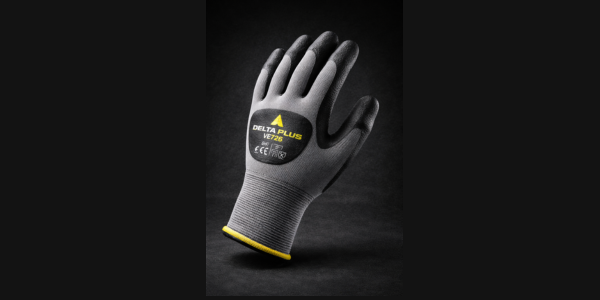
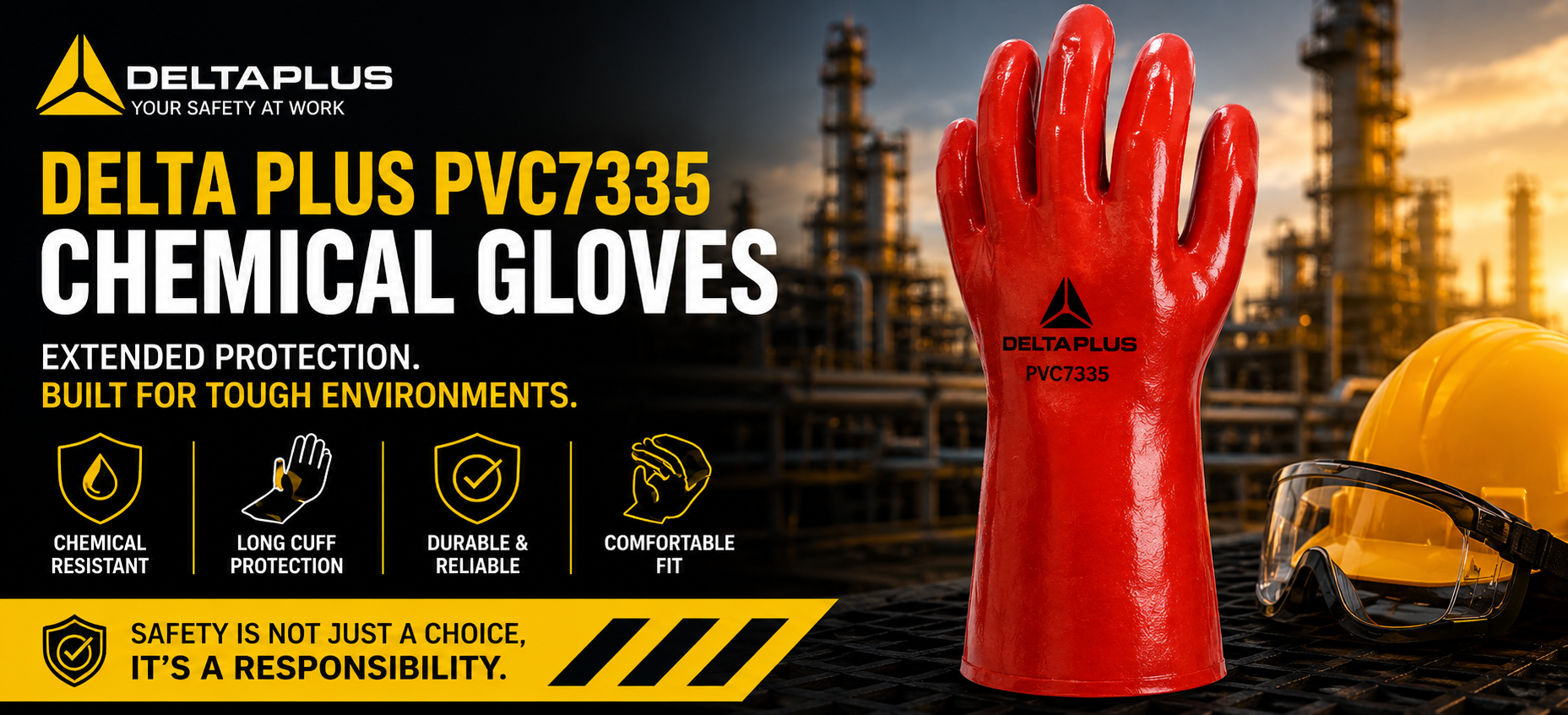
- Chemical resistant gloves
- Safety helmets with chin straps
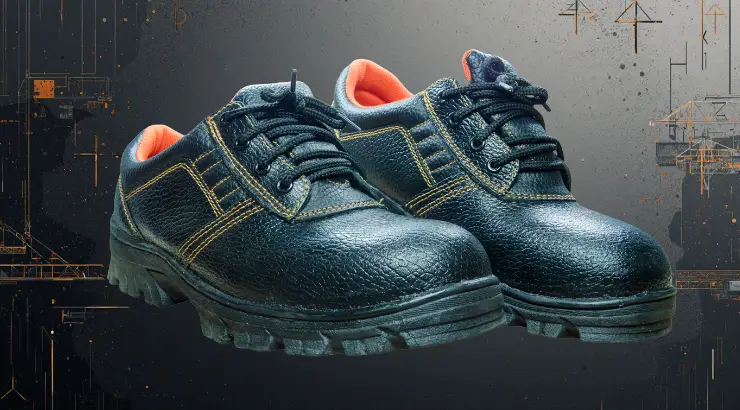
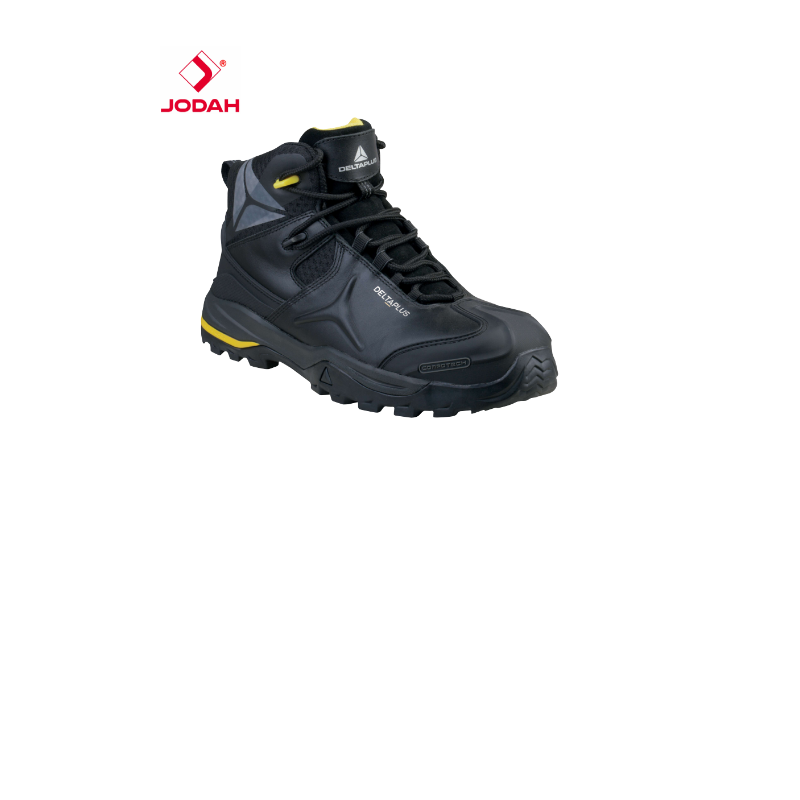
- Oil resistant safety footwear
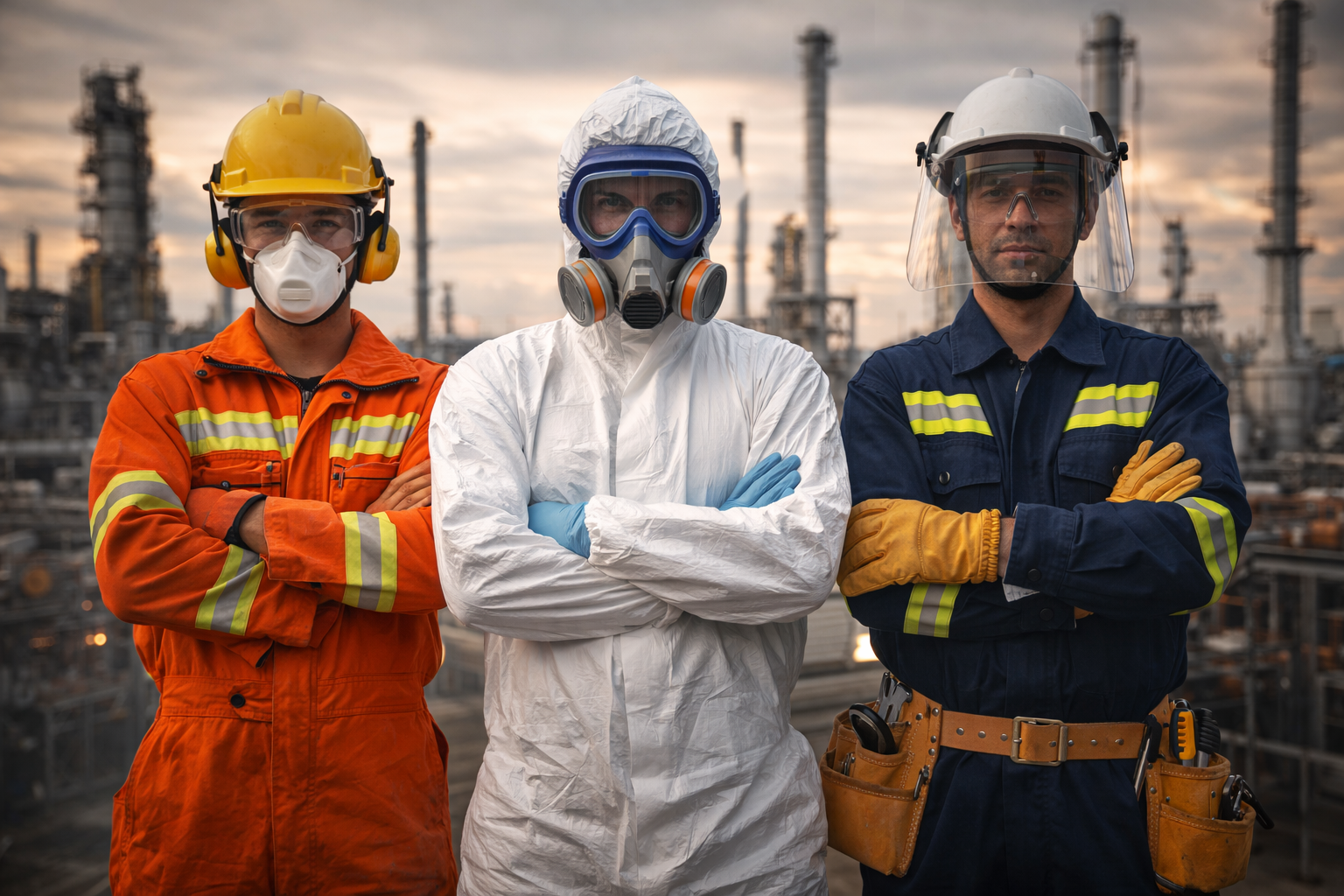
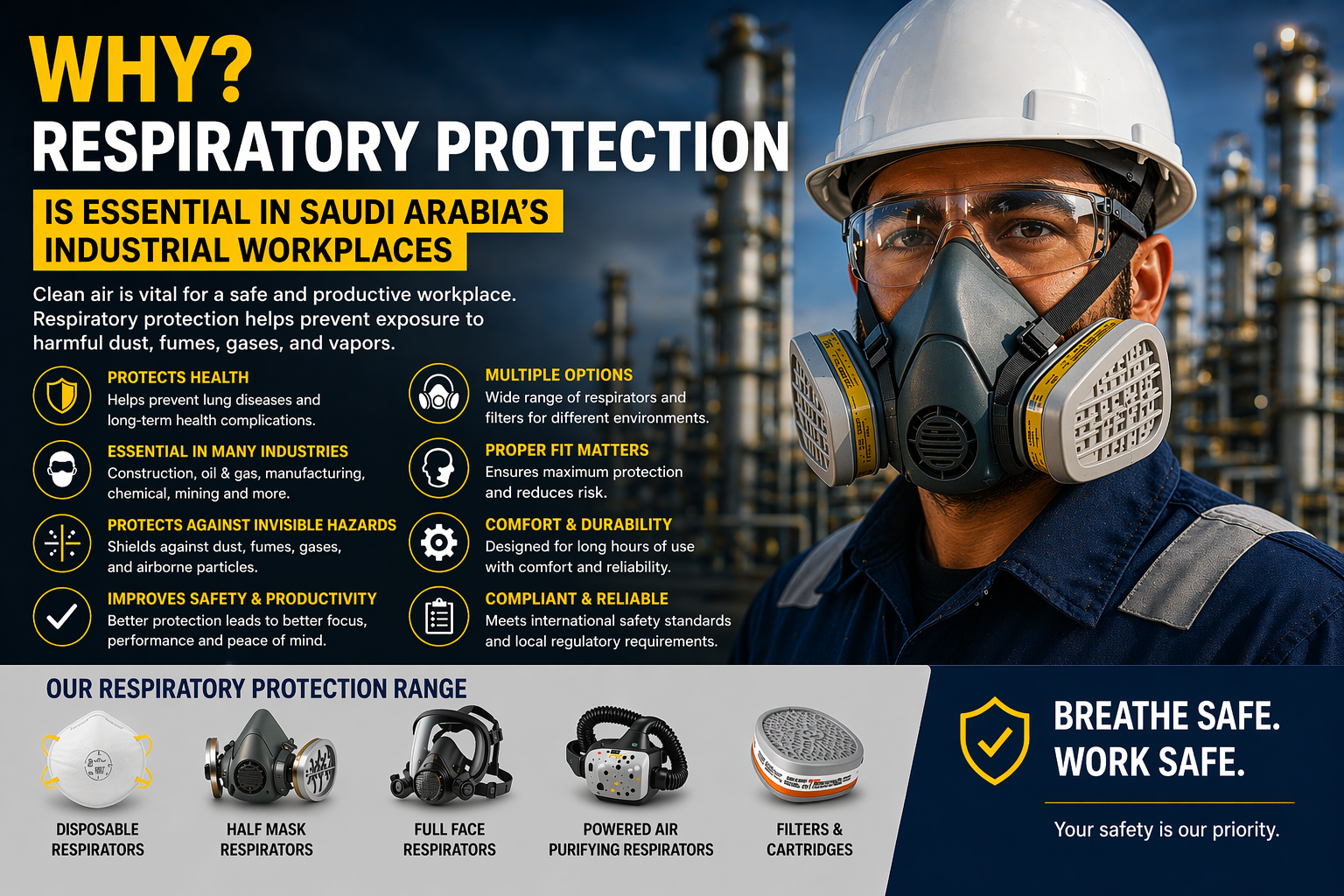
- Respiratory and hearing protection
Tip: Use PPE certified to EN or ISO standards and suitable for long exposure in harsh environments.
Construction Industry
Key Risks: Falling objects, dust, sharp tools, noise
Essential PPE:
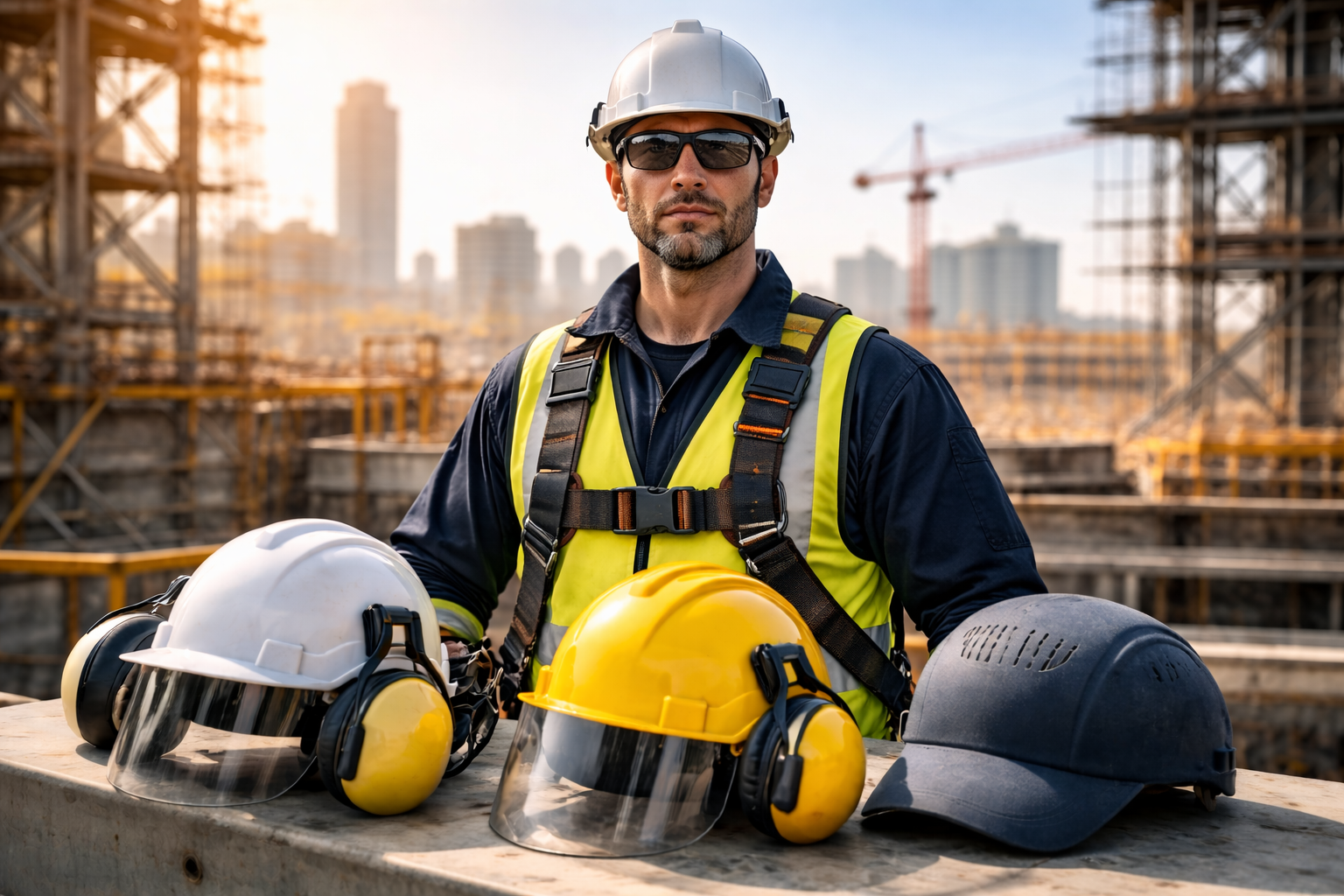
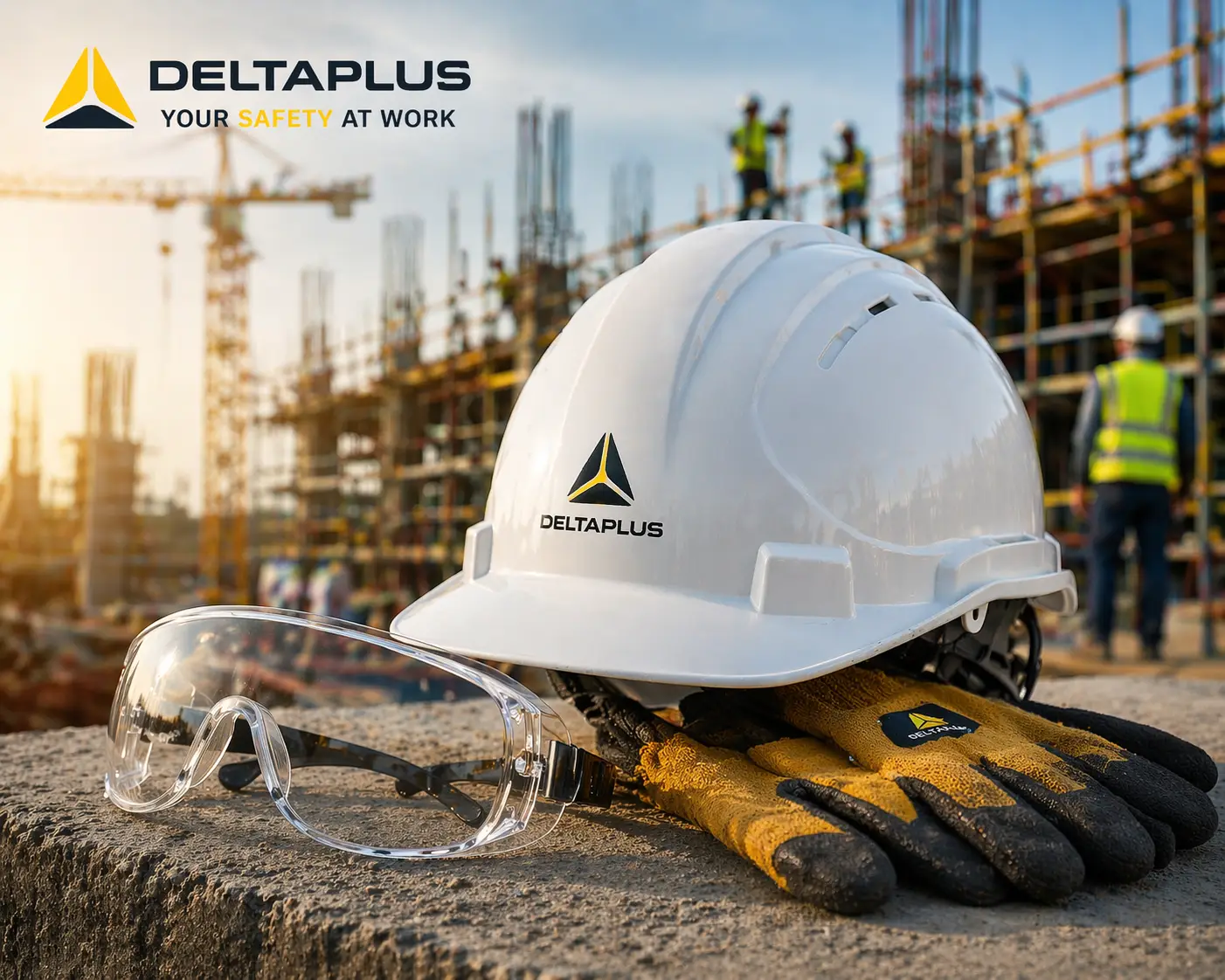
- Impact resistant helmets
- High visibility clothing
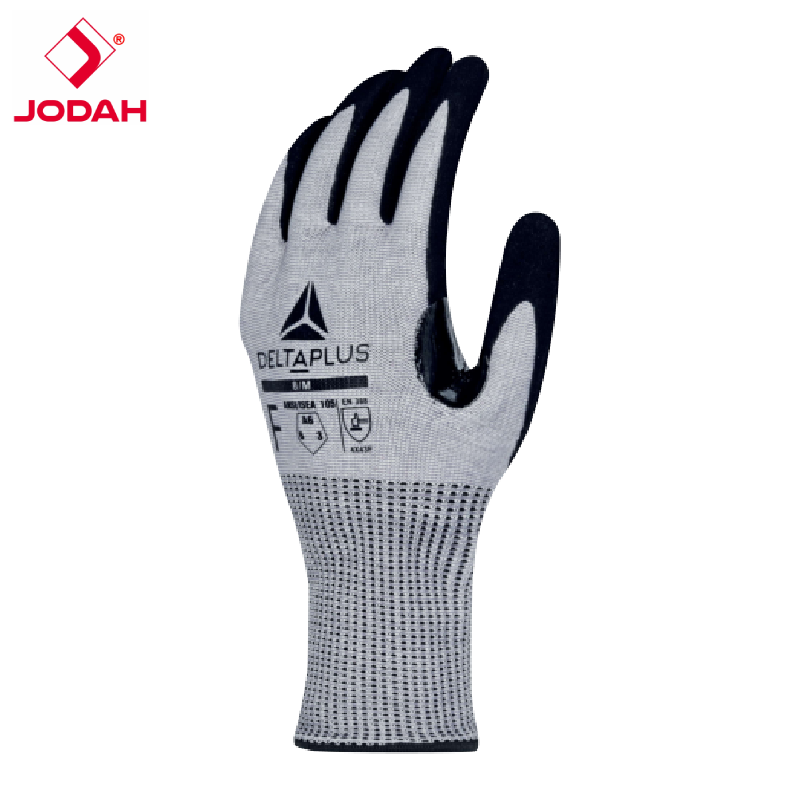
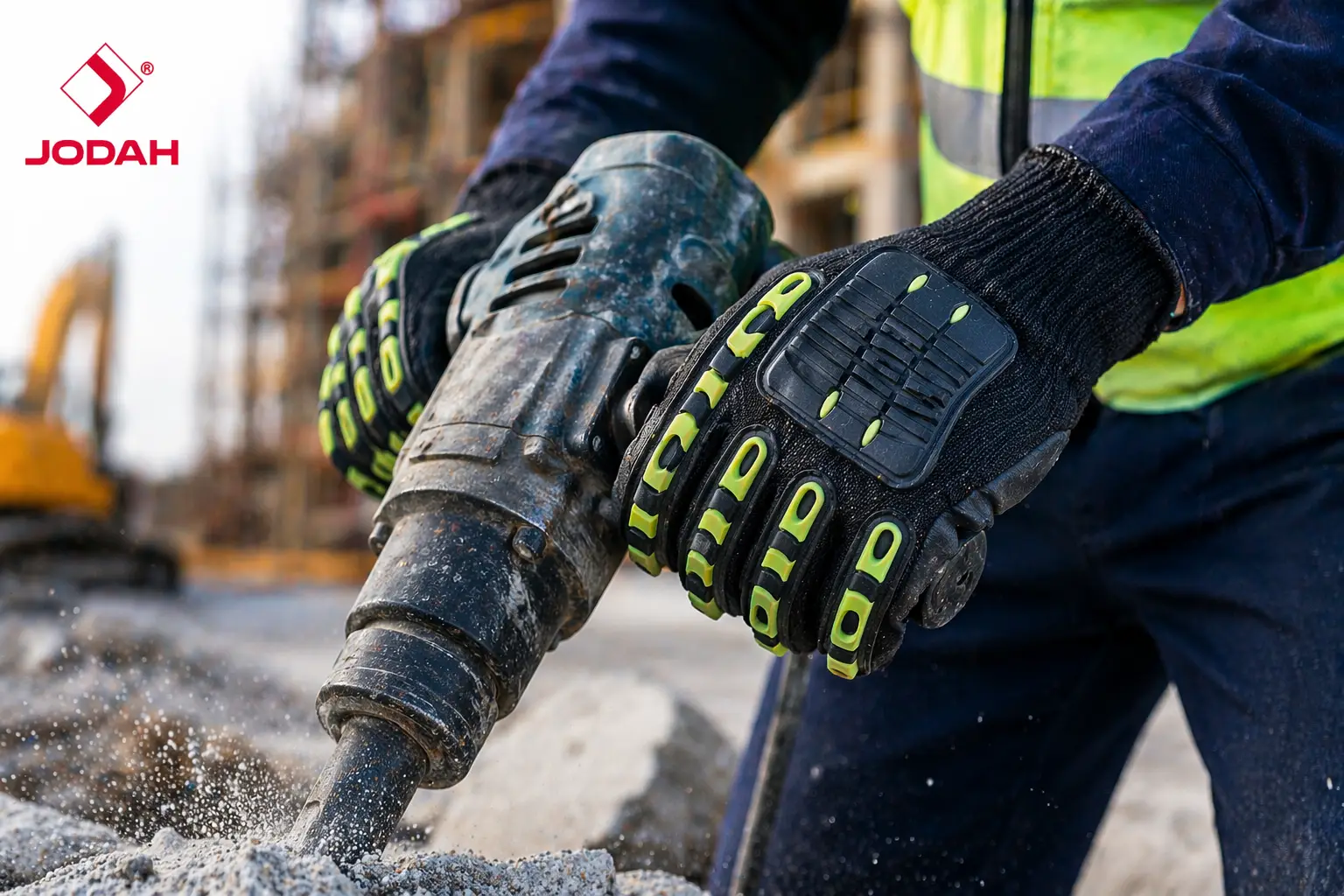
- Cut resistant gloves
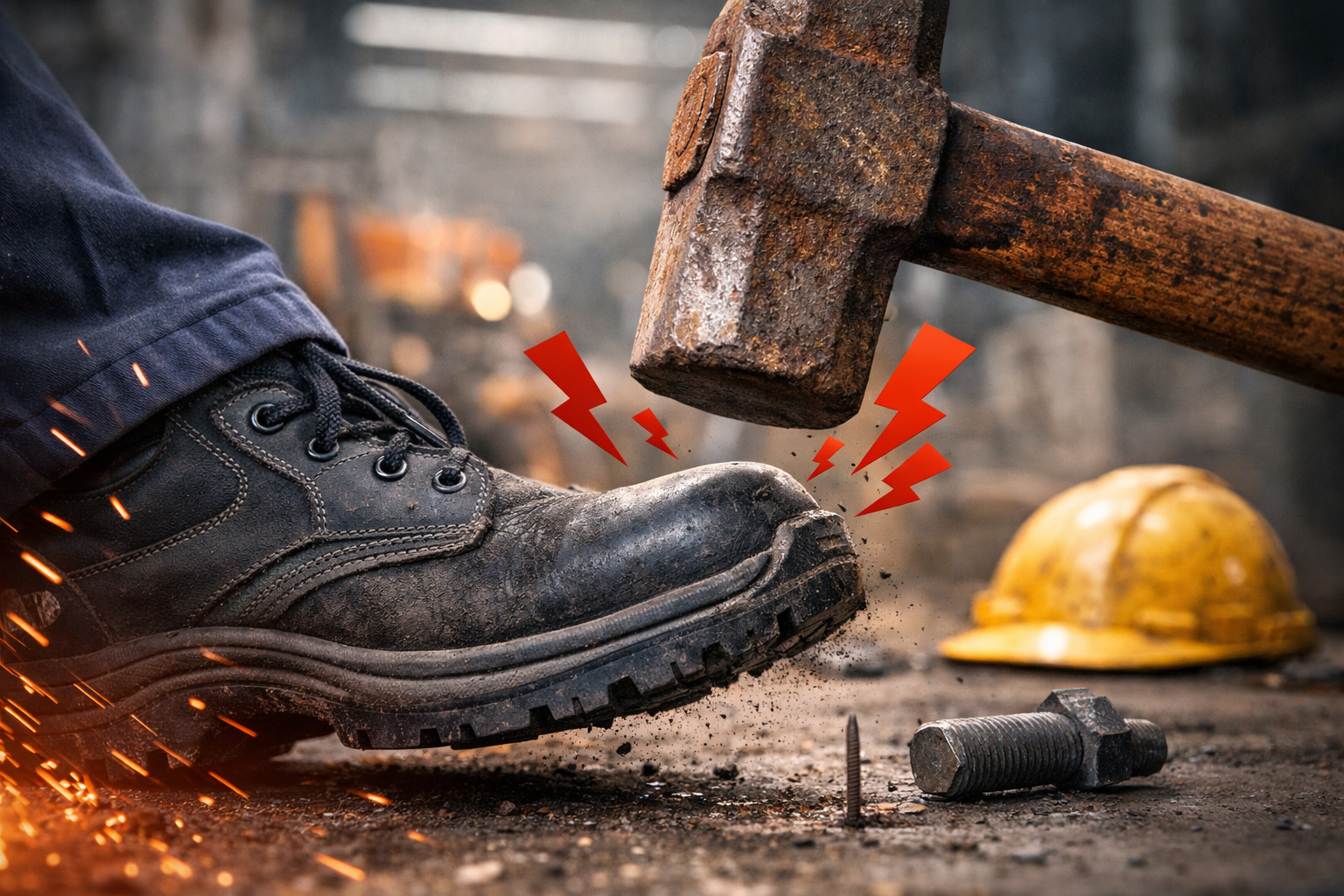
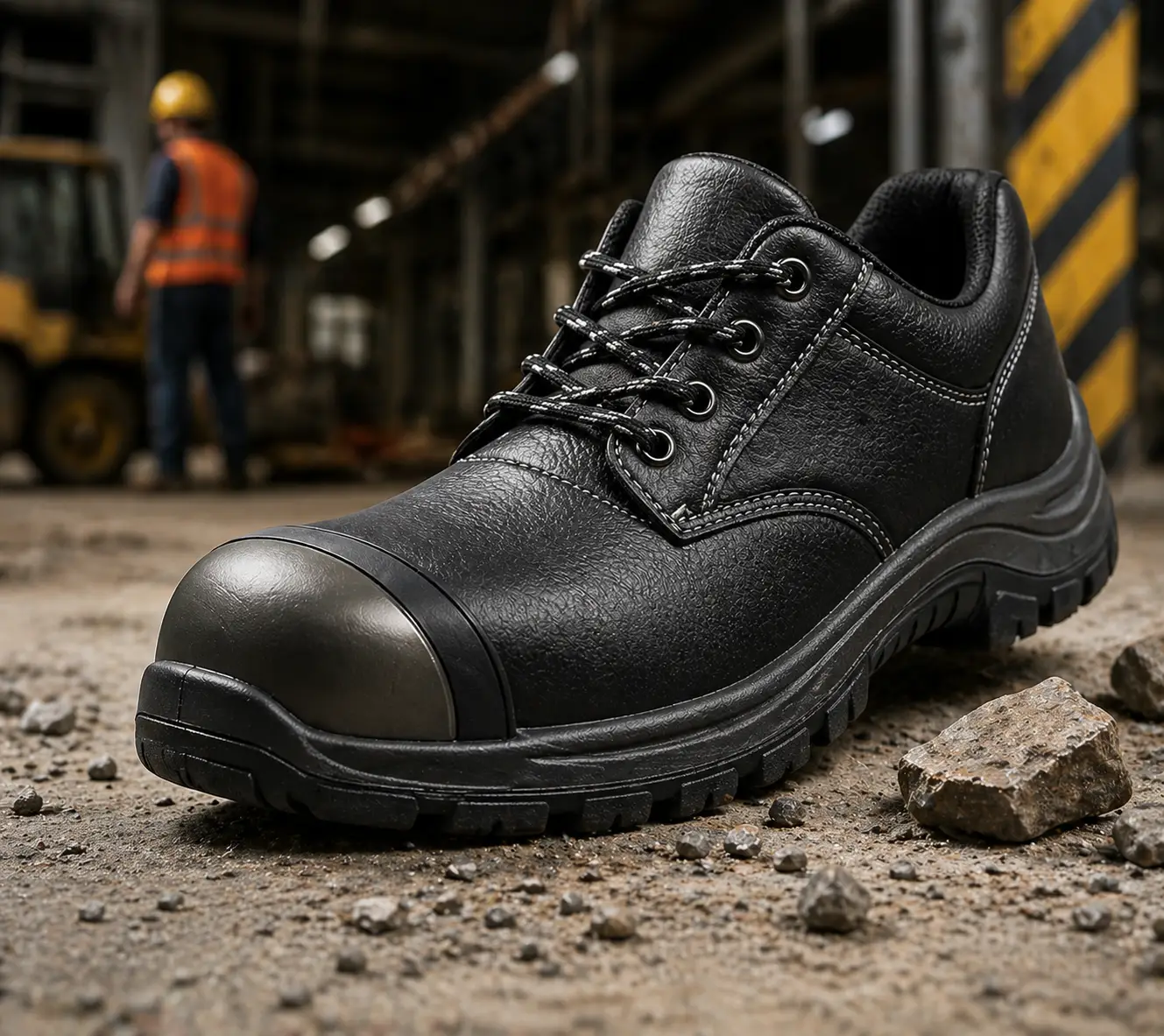
- Safety shoes with toe protection
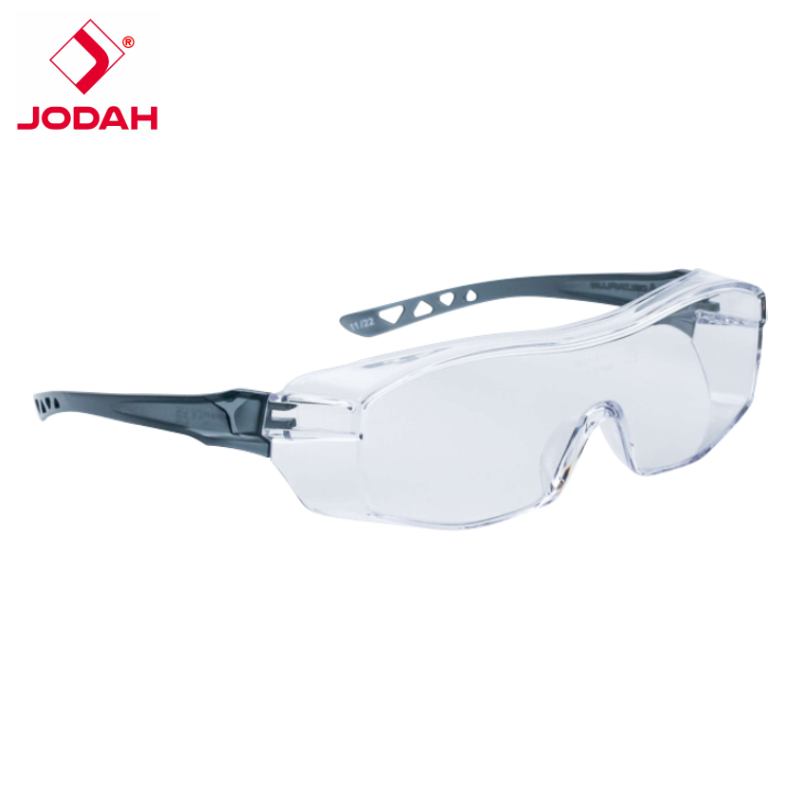
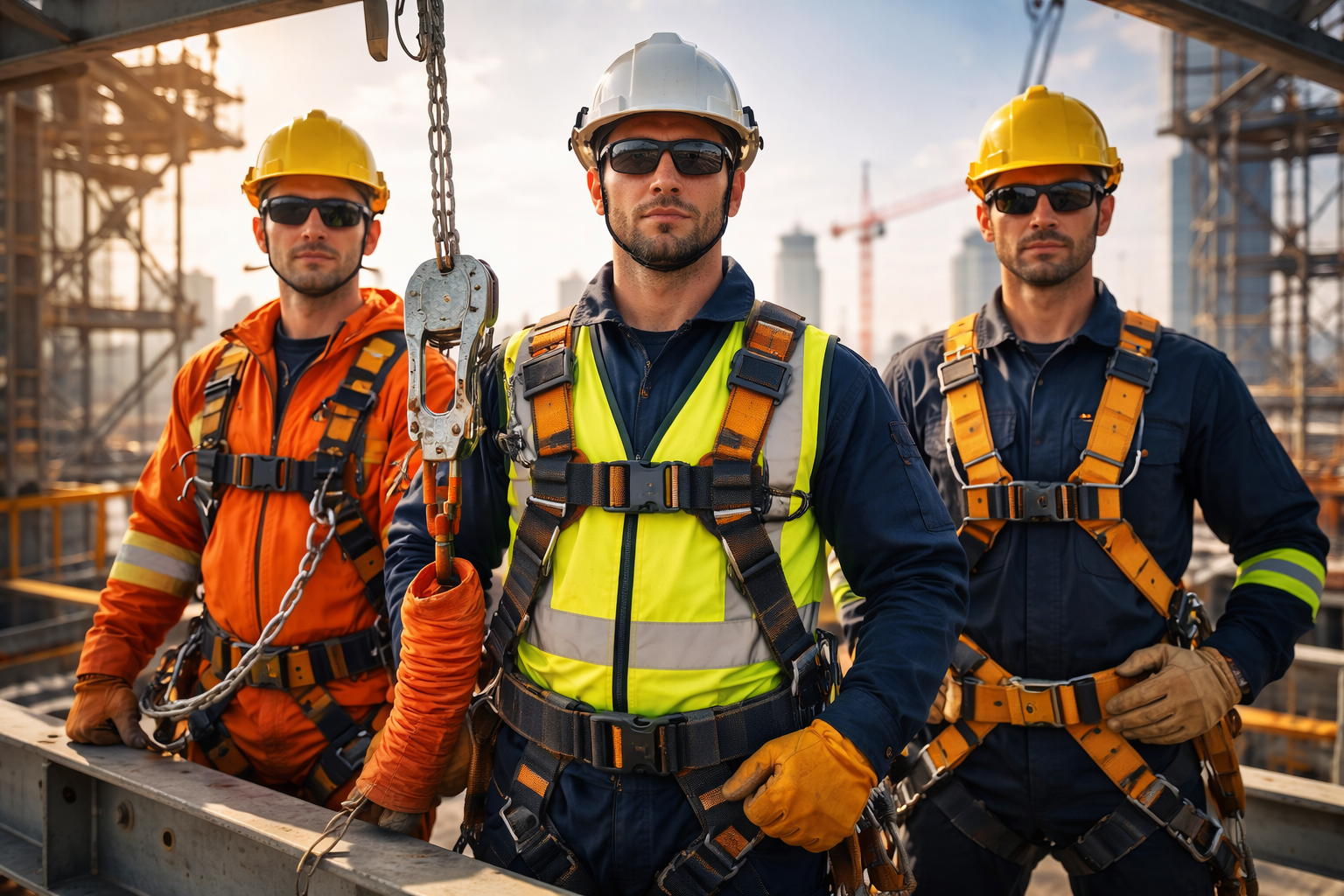
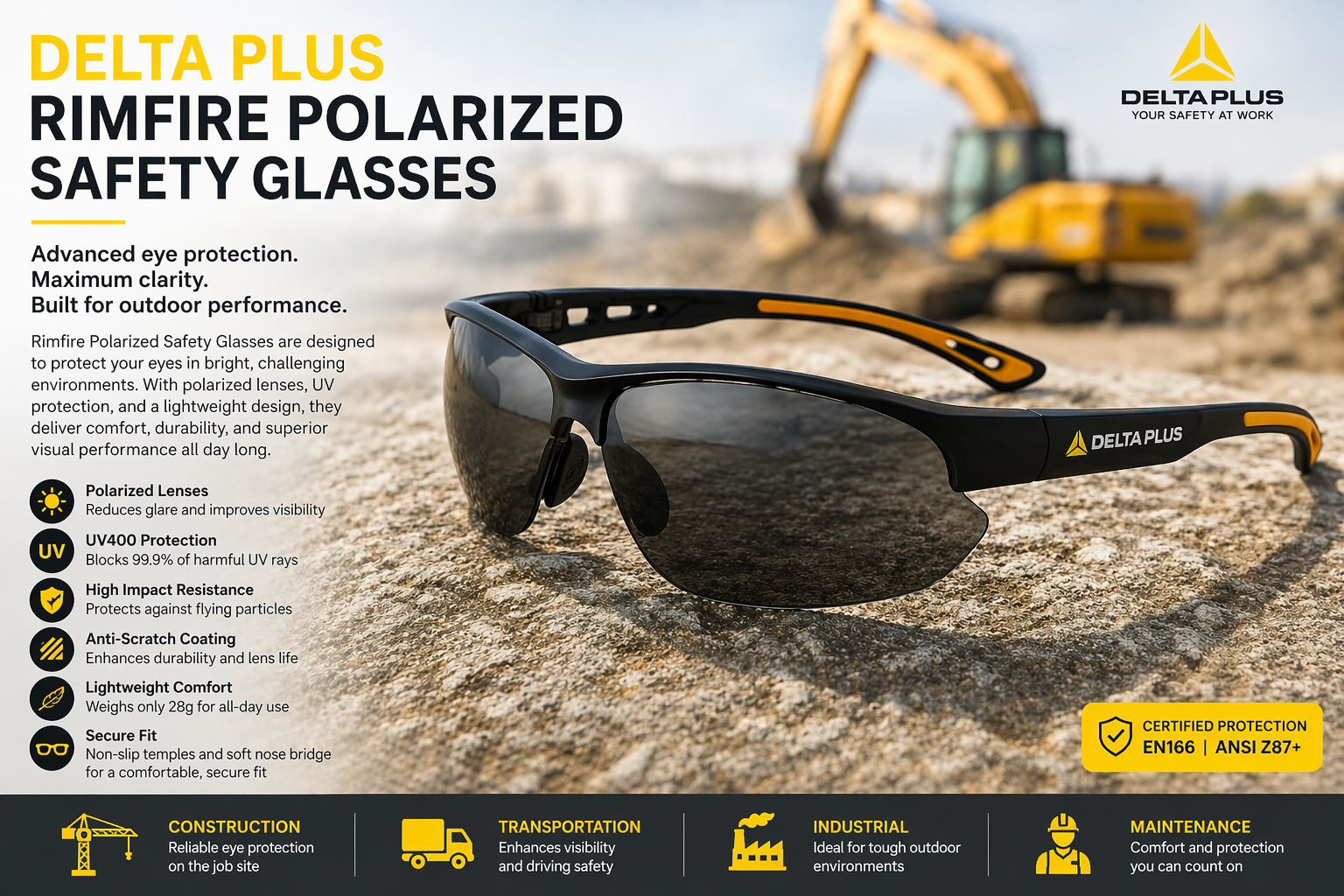
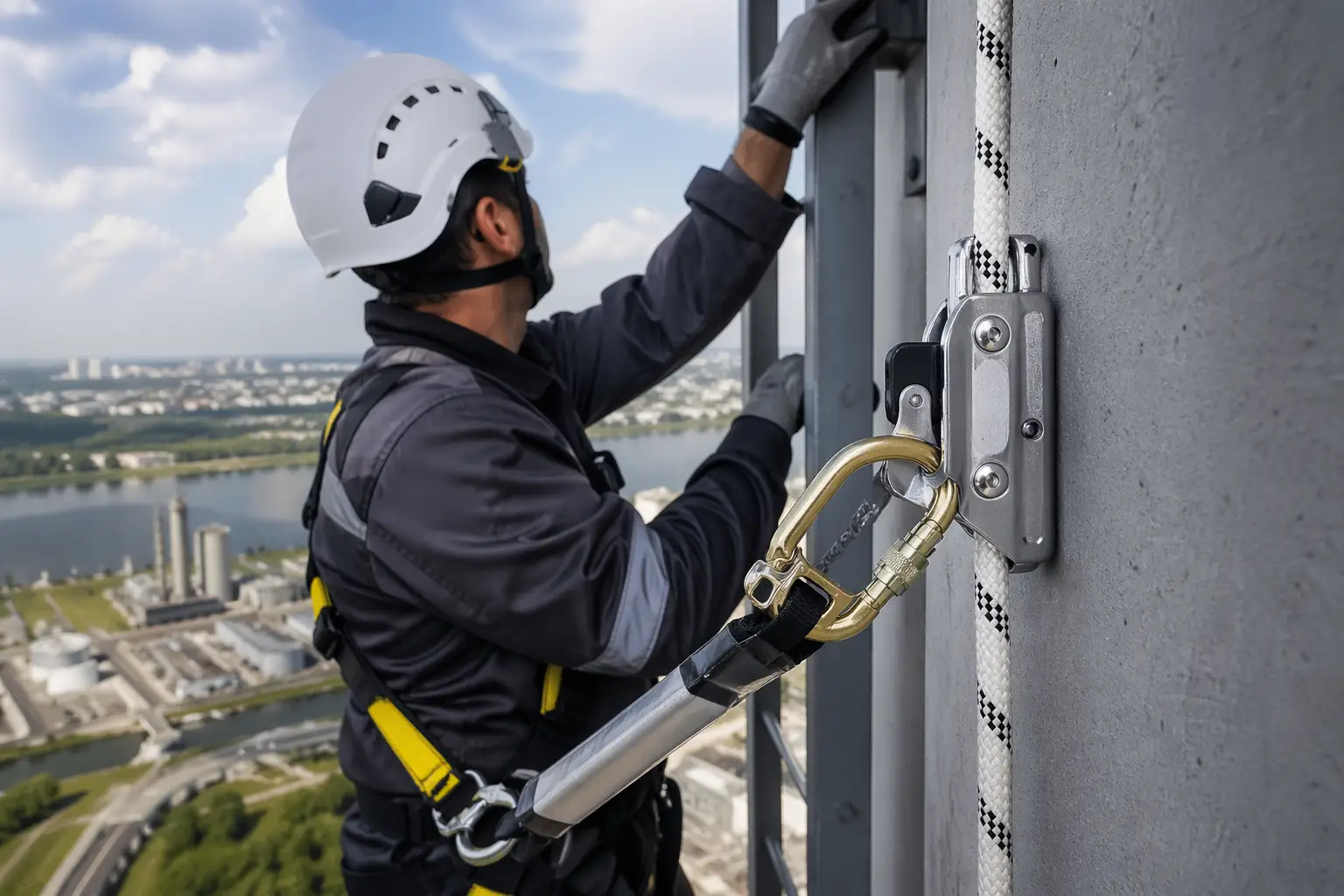
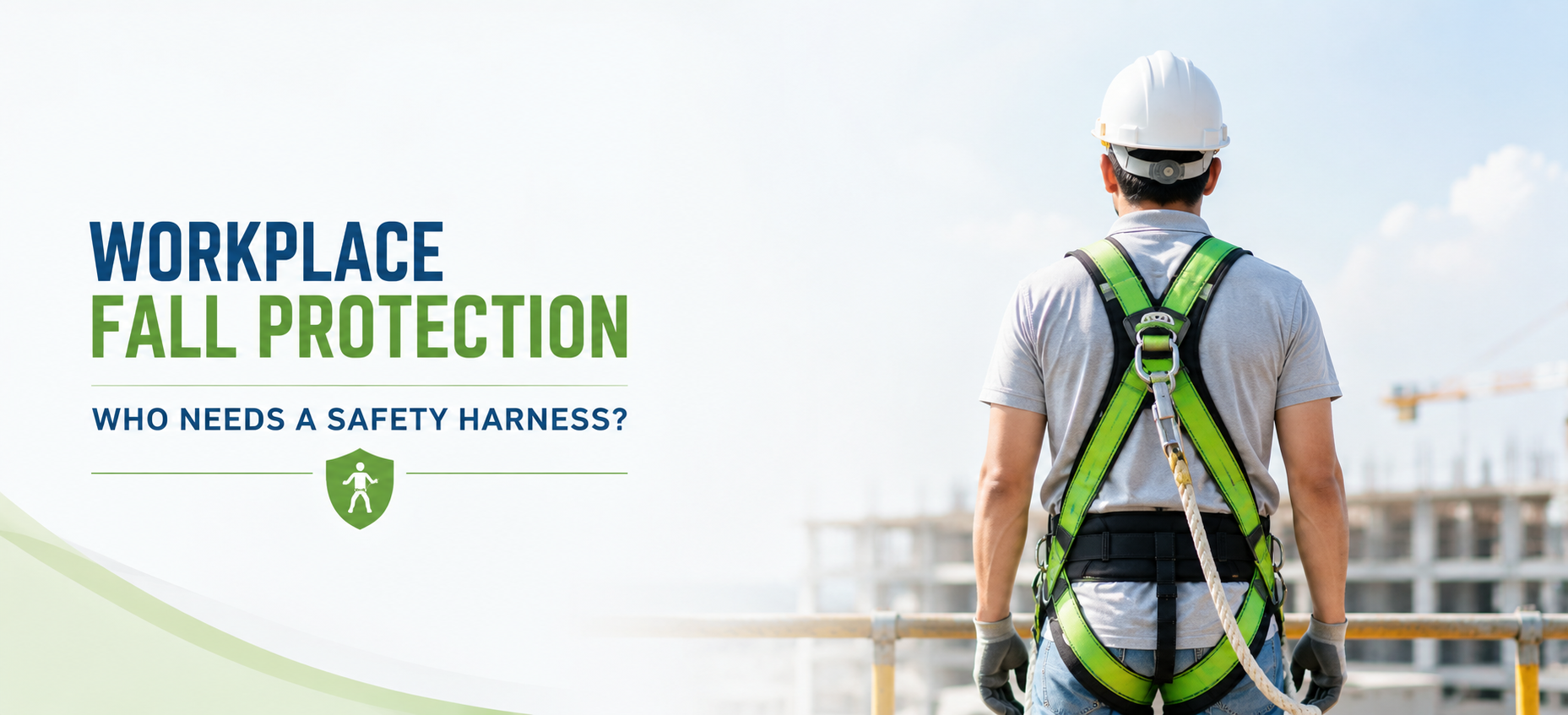
- Eye and fall protection equipment
Tip: Lightweight and breathable PPE improves comfort and daily compliance.
Manufacturing Industry
Key Risks: Machinery, sharp edges, chemicals, noise
Essential PPE:
- Task specific protective gloves
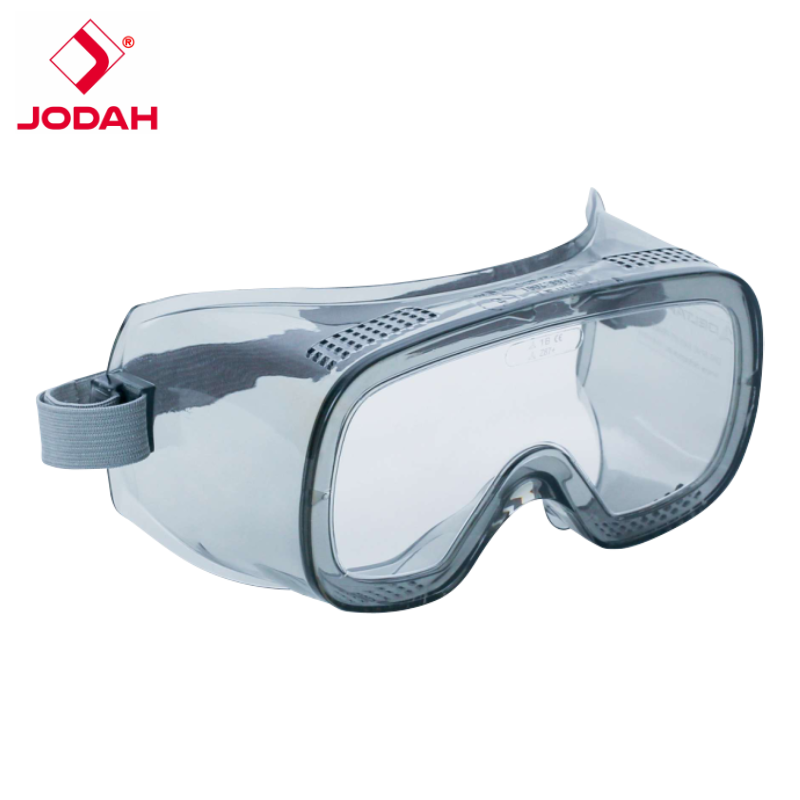
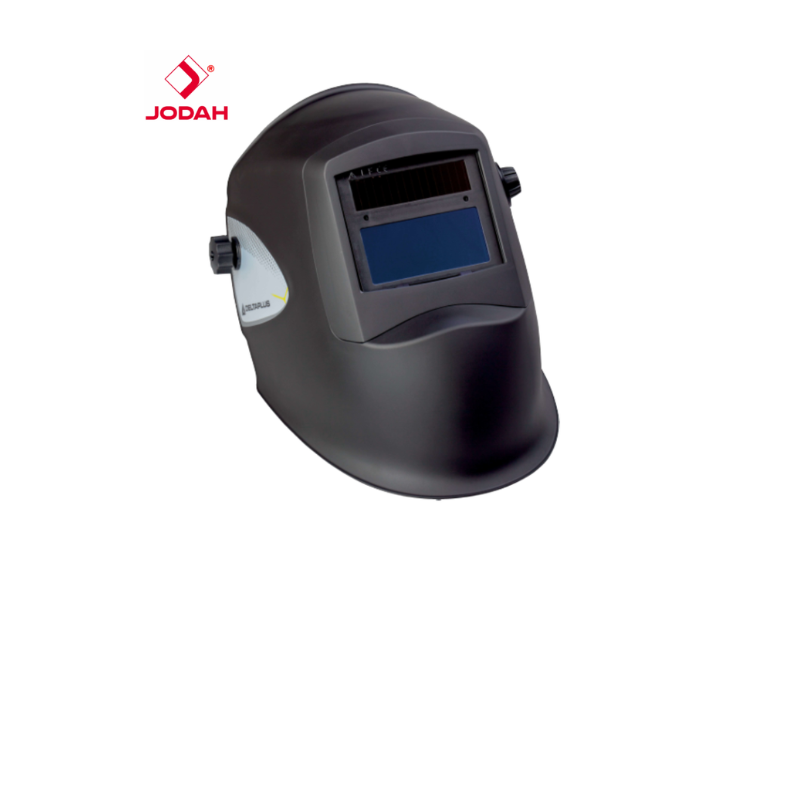
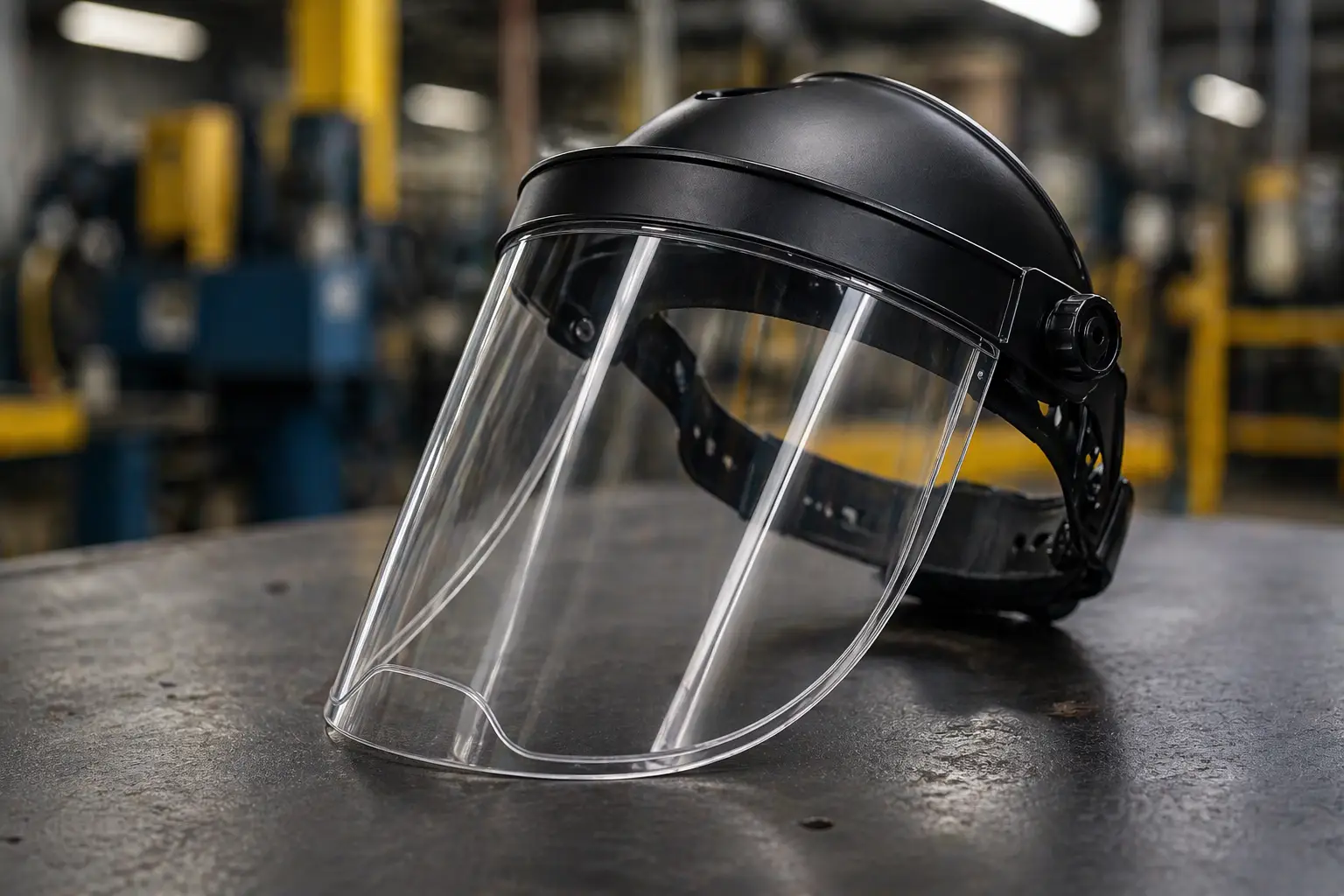
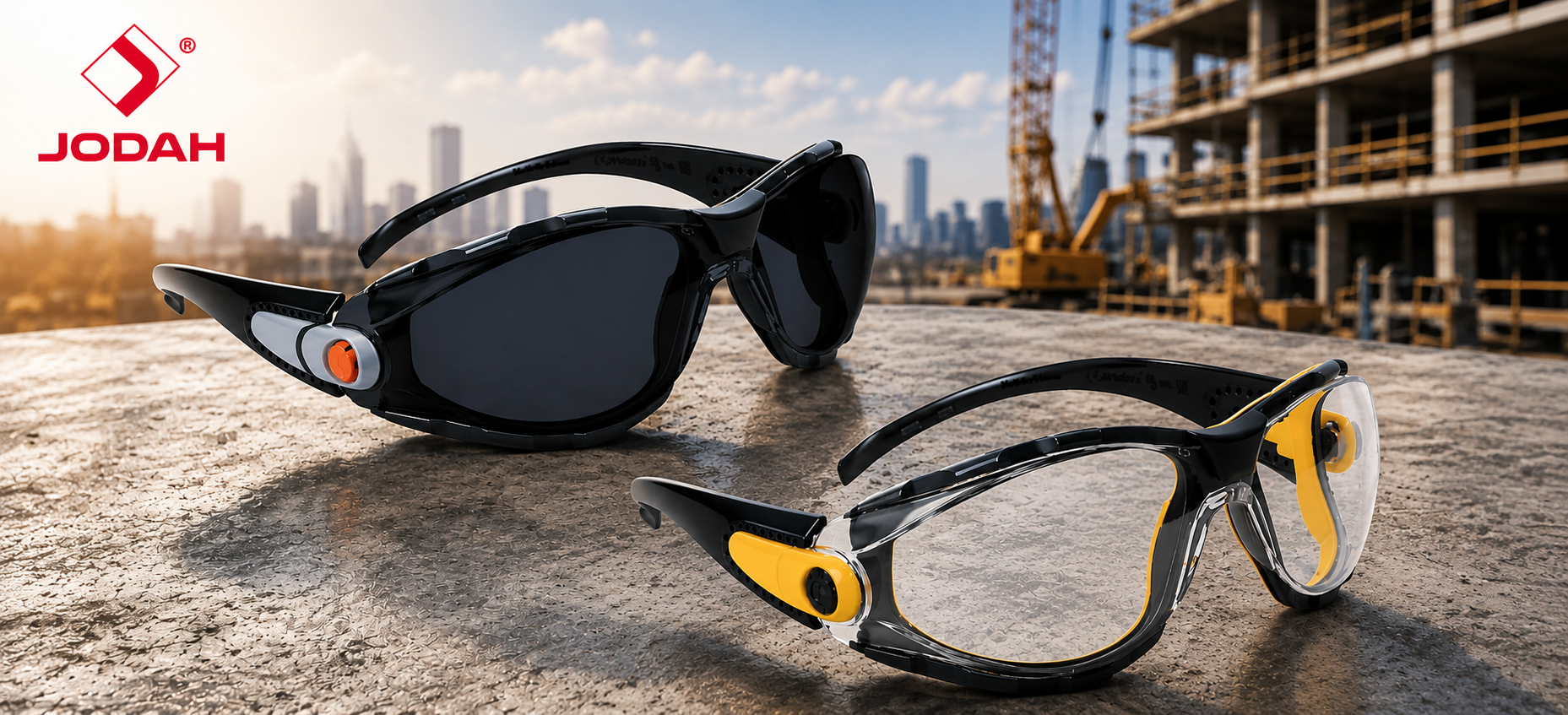
- Safety glasses or face shields
- Protective clothing
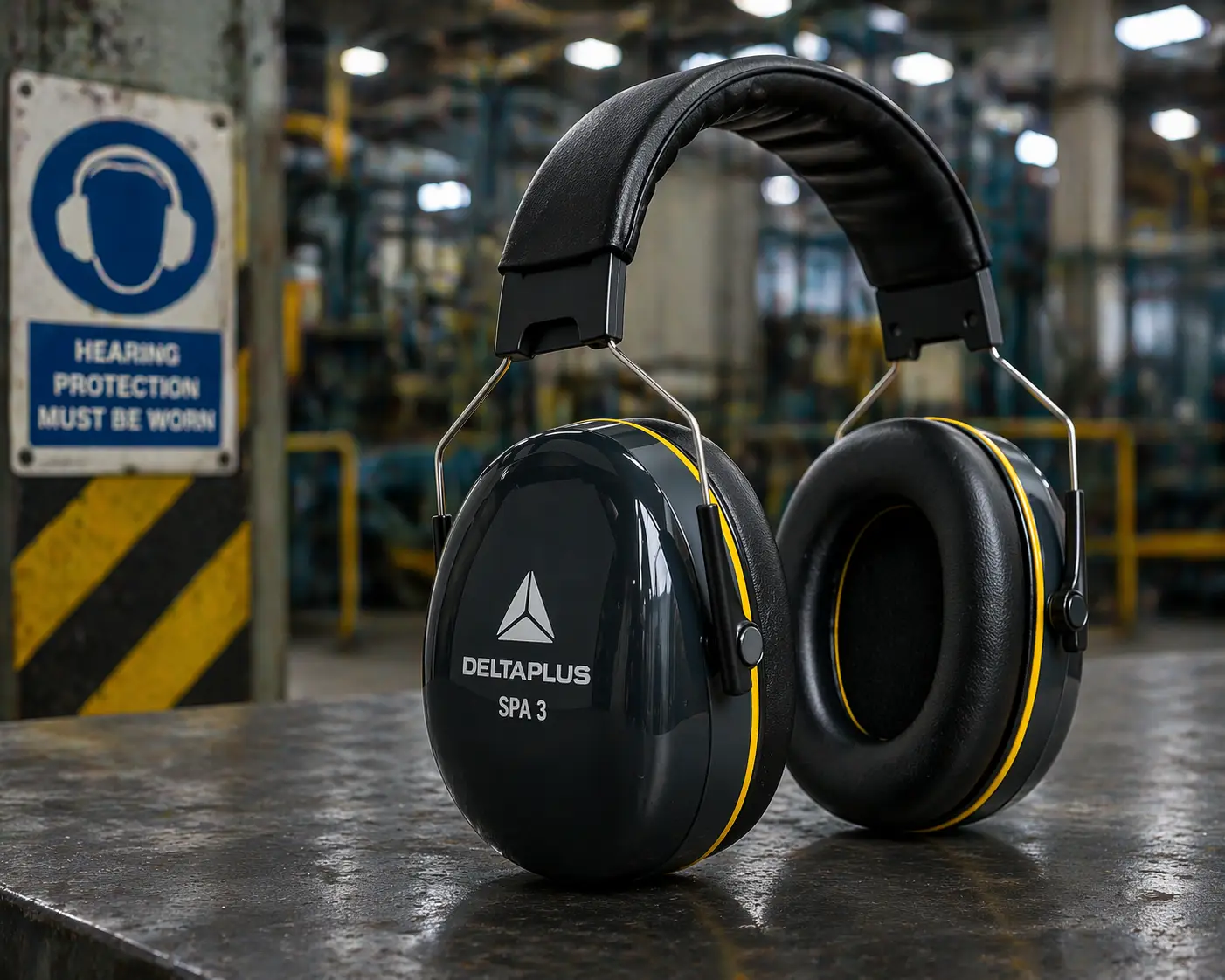
- Hearing protection
- Slip resistant safety footwear
Tip: PPE should allow flexibility and visibility for precision tasks.
Universal PPE Best Practices
- Assess workplace risks before selection
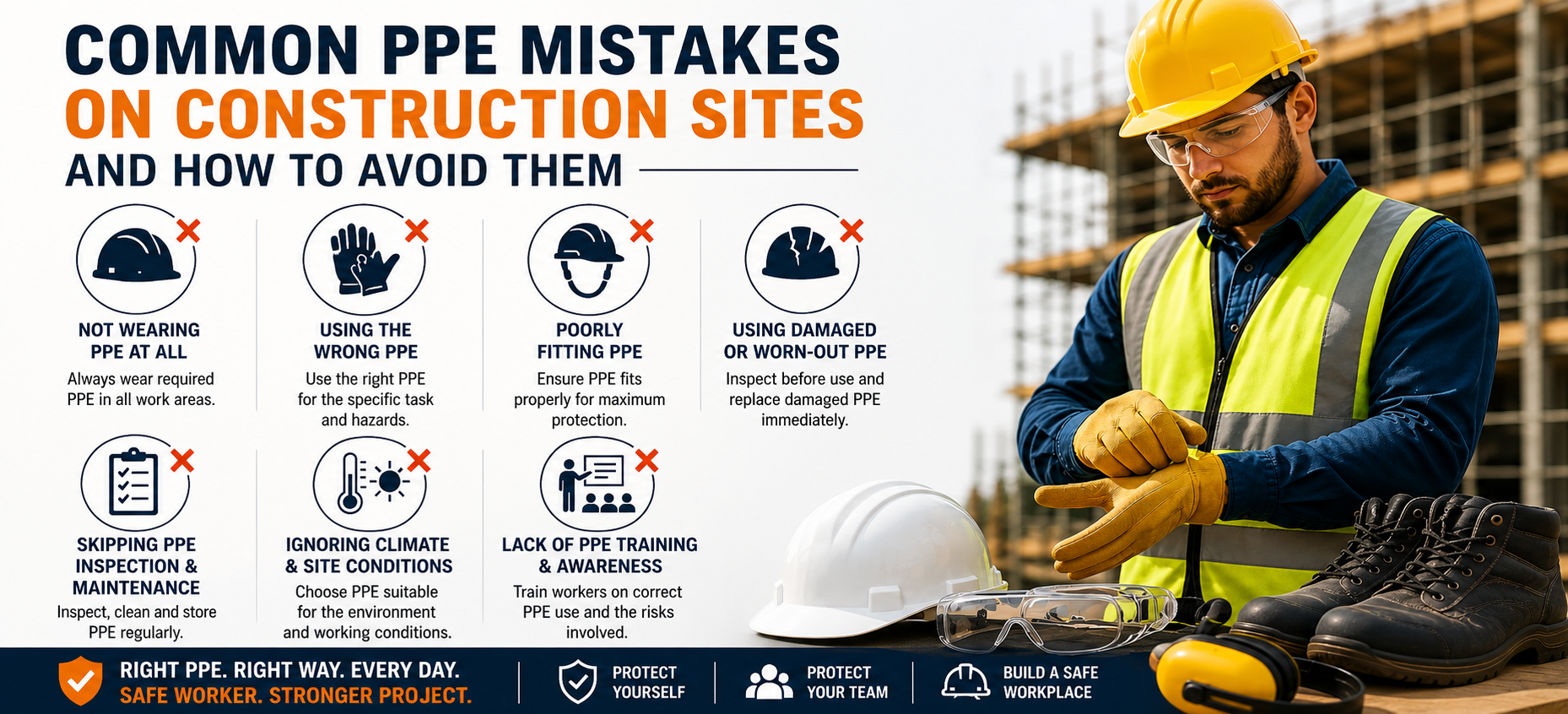
- Ensure proper fit and comfort
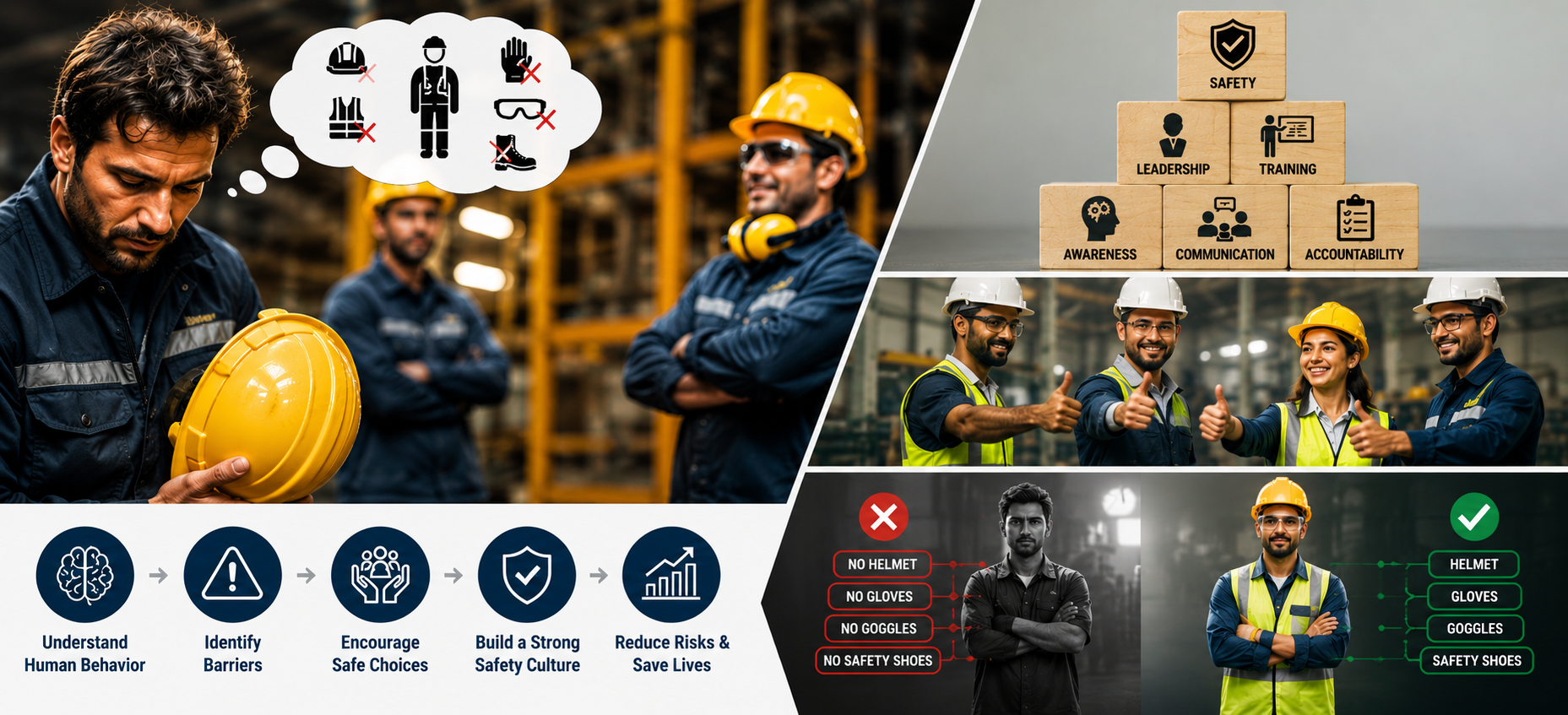
- Train workers on correct usage
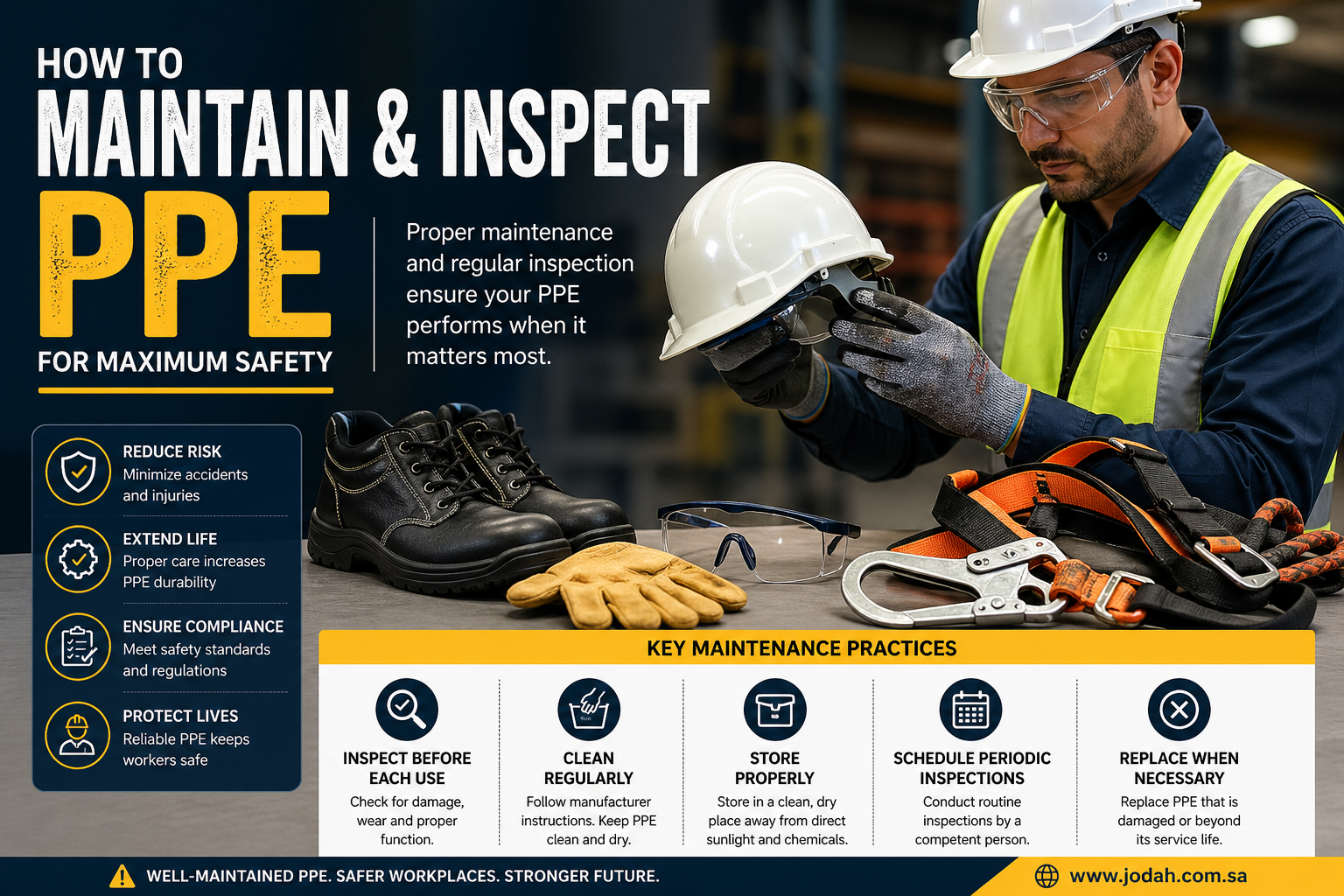
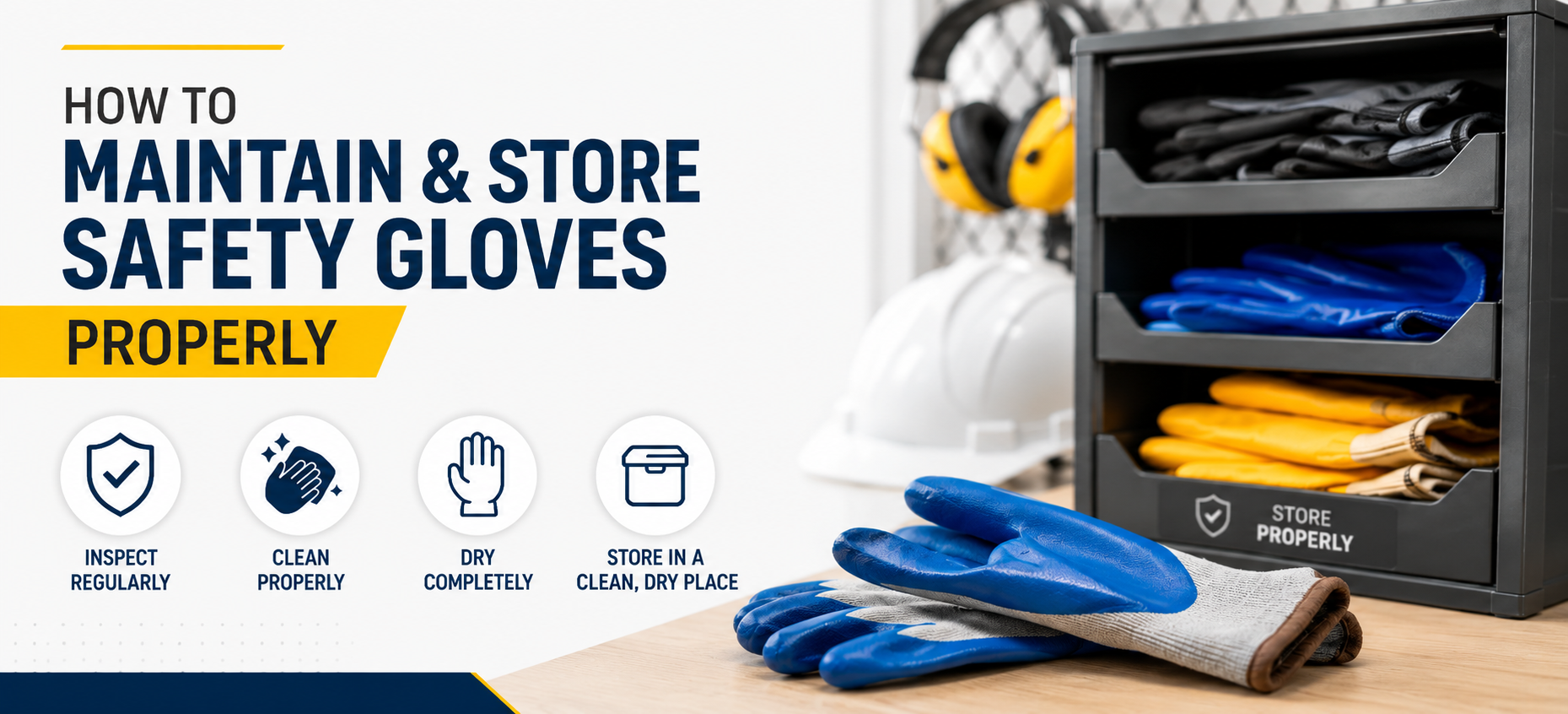
- Inspect and replace PPE regularly