




Fall Protection: Why It Is Important for Workplace Safety
- Posted by: Admin
Working at heights is common in industries such as construction, maintenance, oil & gas, and industrial projects. However, working above the ground always carries the risk of falling. A fall from height can cause serious injuries or even death. This is why fall protection systems are very important for worker safety.
What is Fall Protection?
Fall protection refers to safety systems and equipment designed to prevent workers from falling or to stop a fall before serious injury occurs. These safety measures are mainly used when employees work on rooftops, scaffolding, ladders, platforms, or any elevated work area.
Falls are one of the leading causes of workplace accidents in many industries. With proper planning and the right safety equipment, most fall-related accidents can be prevented.
Why Fall Protection Is Important
Fall protection systems are essential for several reasons:
- Protect workers from serious injuries
- Reduce workplace accidents
- Help companies follow safety regulations
- Create a safer and more productive work environment
In many workplaces, safety standards require fall protection when workers operate at certain heights or near open edges and holes.
Common Fall Hazards in Workplaces
Workers may face fall risks in many situations, such as:
- Working on rooftops or high platforms
- Using ladders or scaffolding
- Working near open edges or floor openings
- Maintenance work on tall structures
- Working on slippery or uneven surfaces
Recognizing these fall hazards is the first step in preventing accidents.
Types of Fall Protection Systems
Different fall protection methods are used depending on the work environment.
1. Guardrail Systems
Guardrails are barriers installed along edges to prevent workers from falling. They are one of the most effective passive fall protection systems.
2. Safety Nets
Safety nets are installed below work areas to catch workers if they fall from height.
3. Fall Restraint Systems
These systems restrict the worker from reaching dangerous edges. The worker is connected to an anchor point that limits movement.
4. Personal Fall Arrest Systems
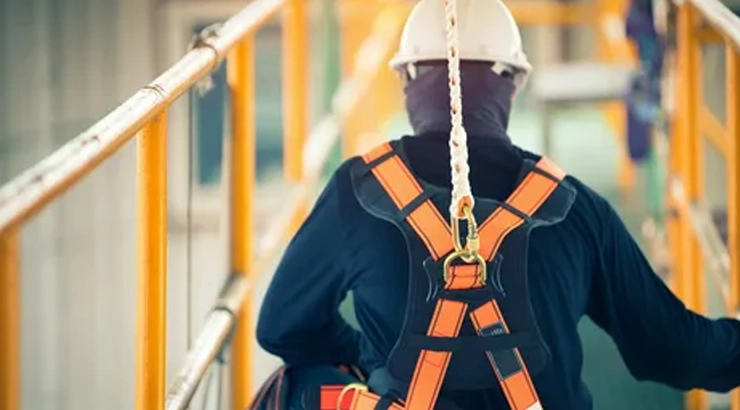
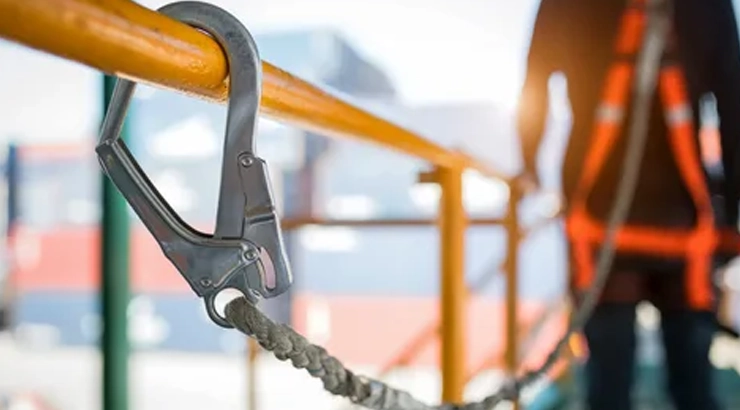
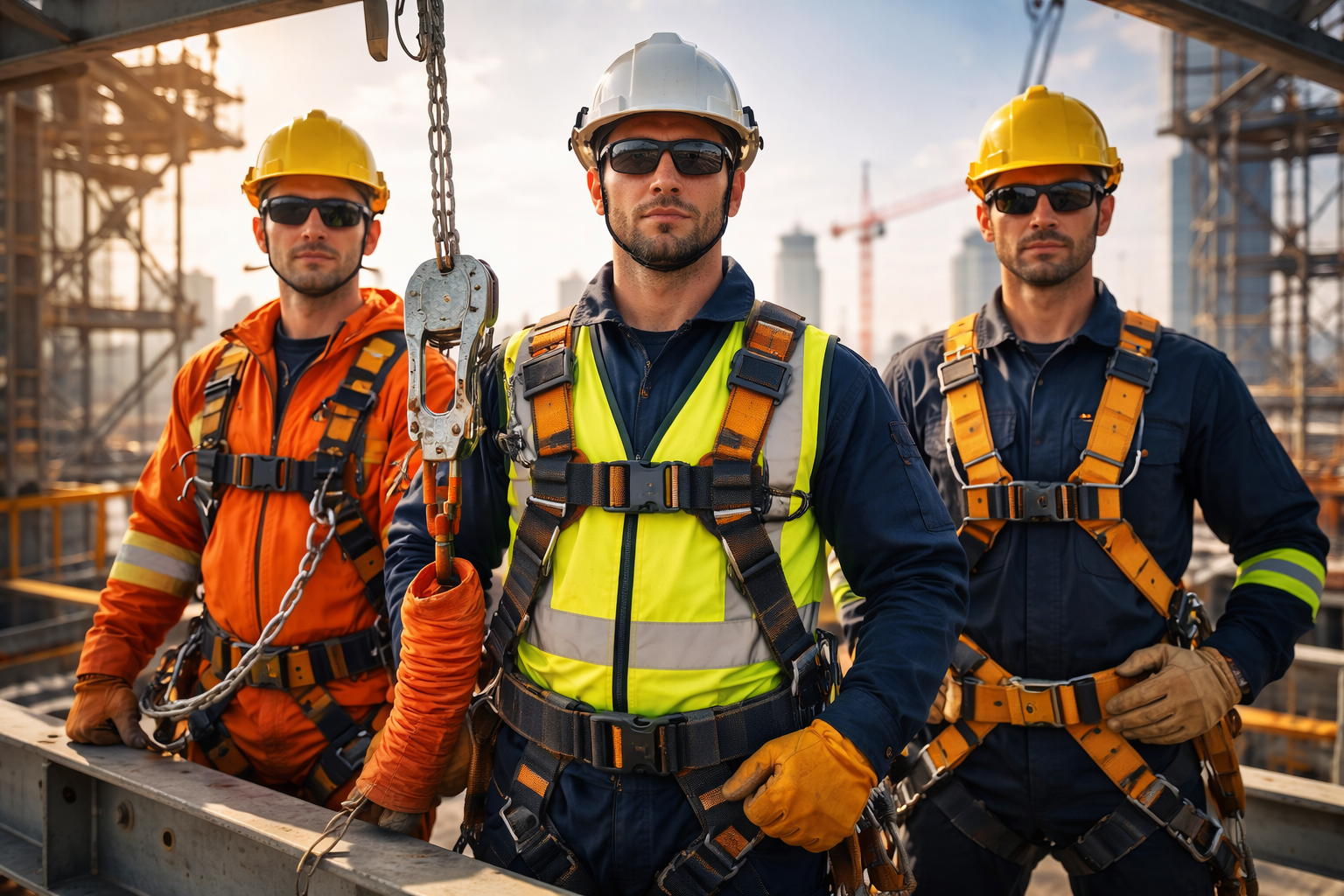
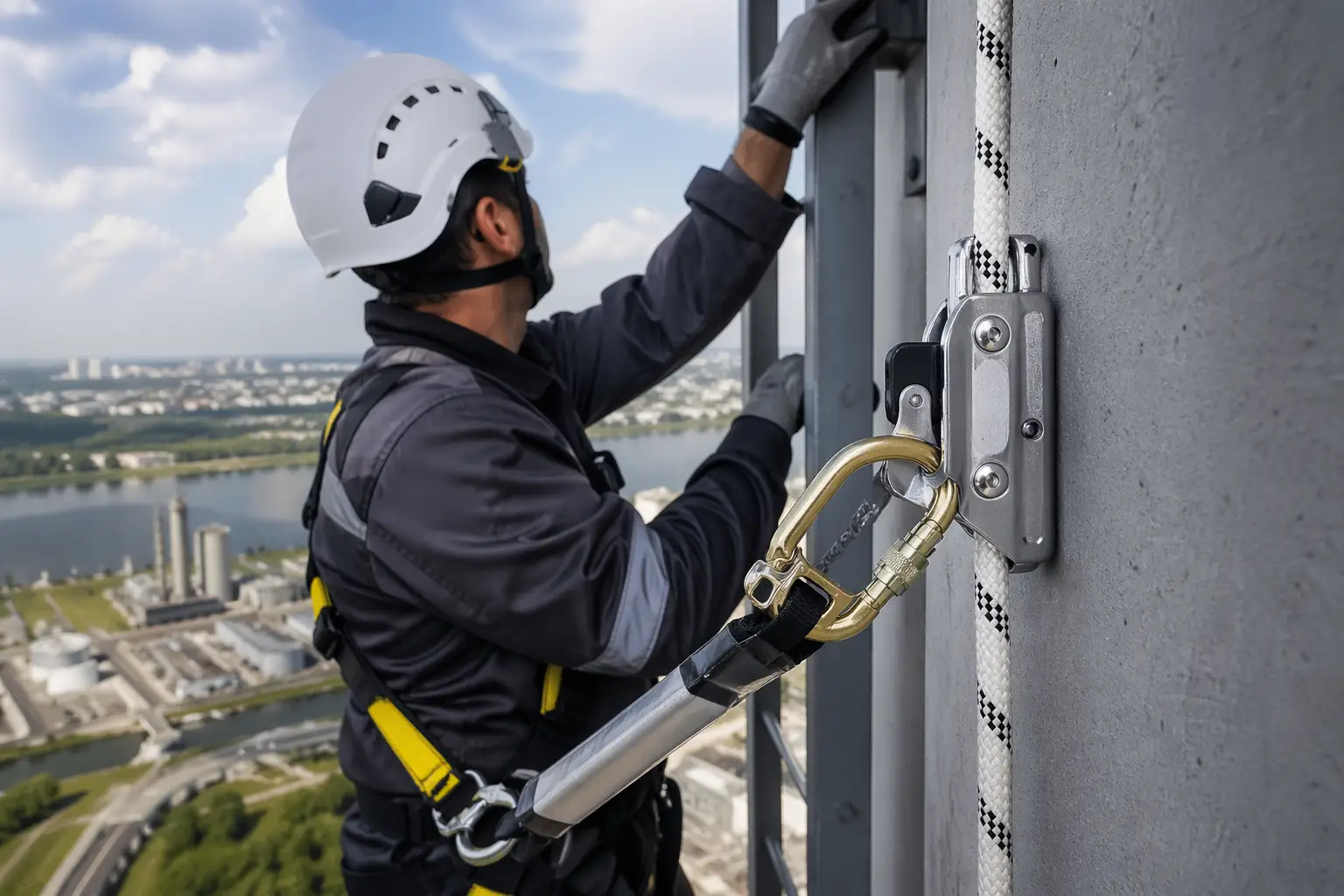
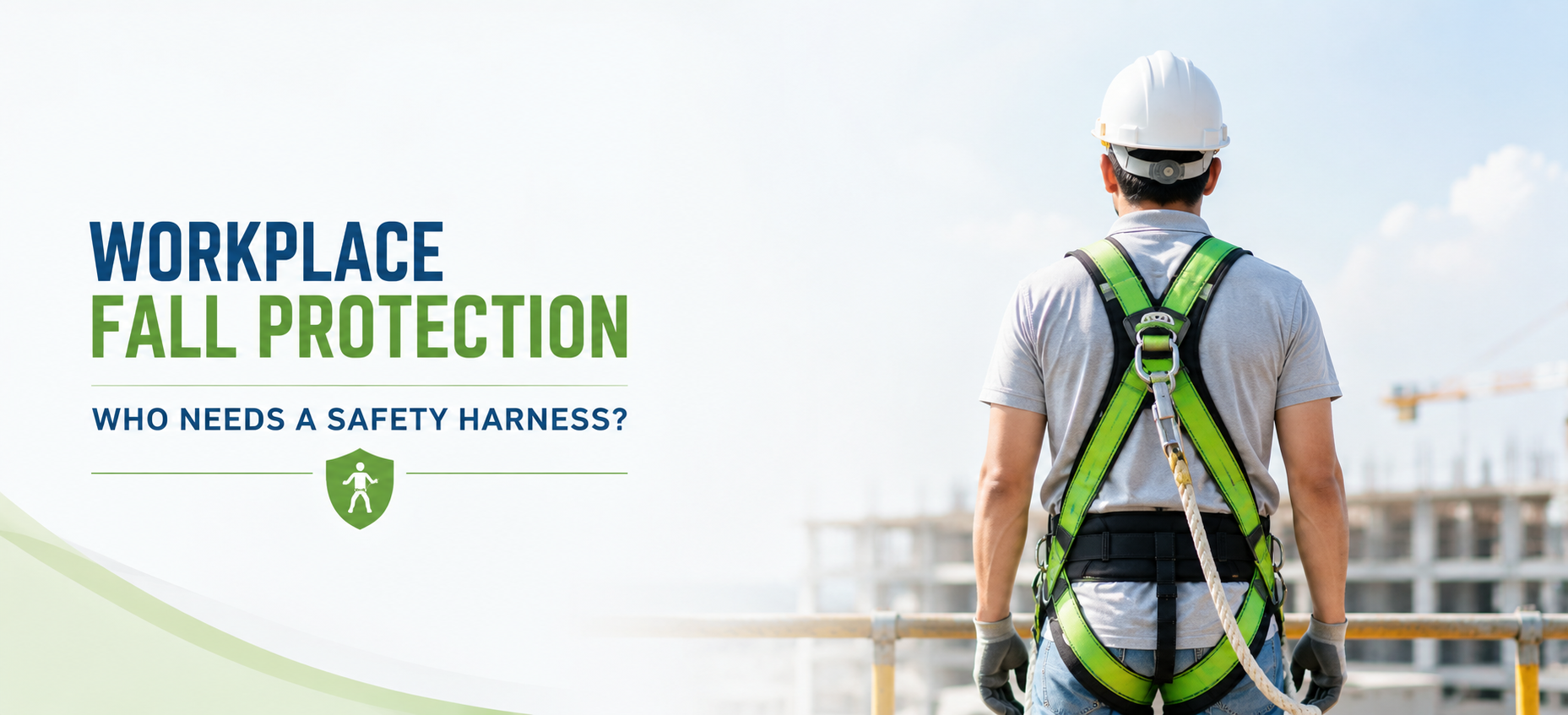
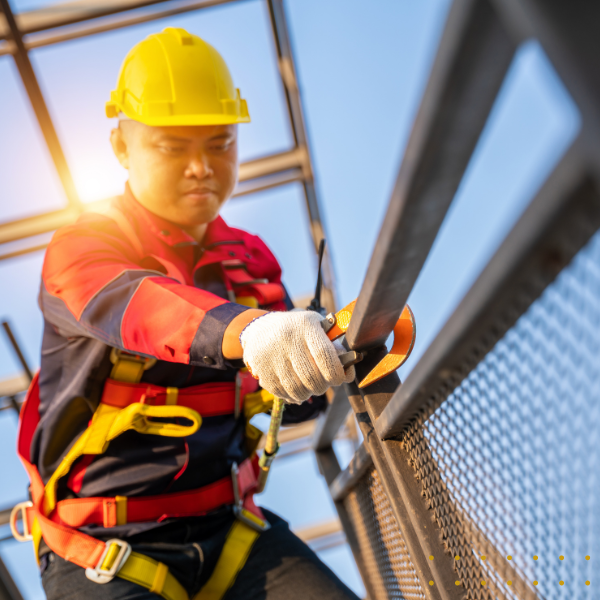
A personal fall arrest system stops a worker during a fall before reaching the ground. It usually includes a full body harness, lanyard, connector, and anchor point.
Important Fall Protection Equipment
Some commonly used fall protection equipment includes:
- Full body harness
- Shock absorbing lanyard
- Self retracting lifeline (SRL)
- Anchor points
- Safety hooks and connectors
- Horizontal lifeline systems
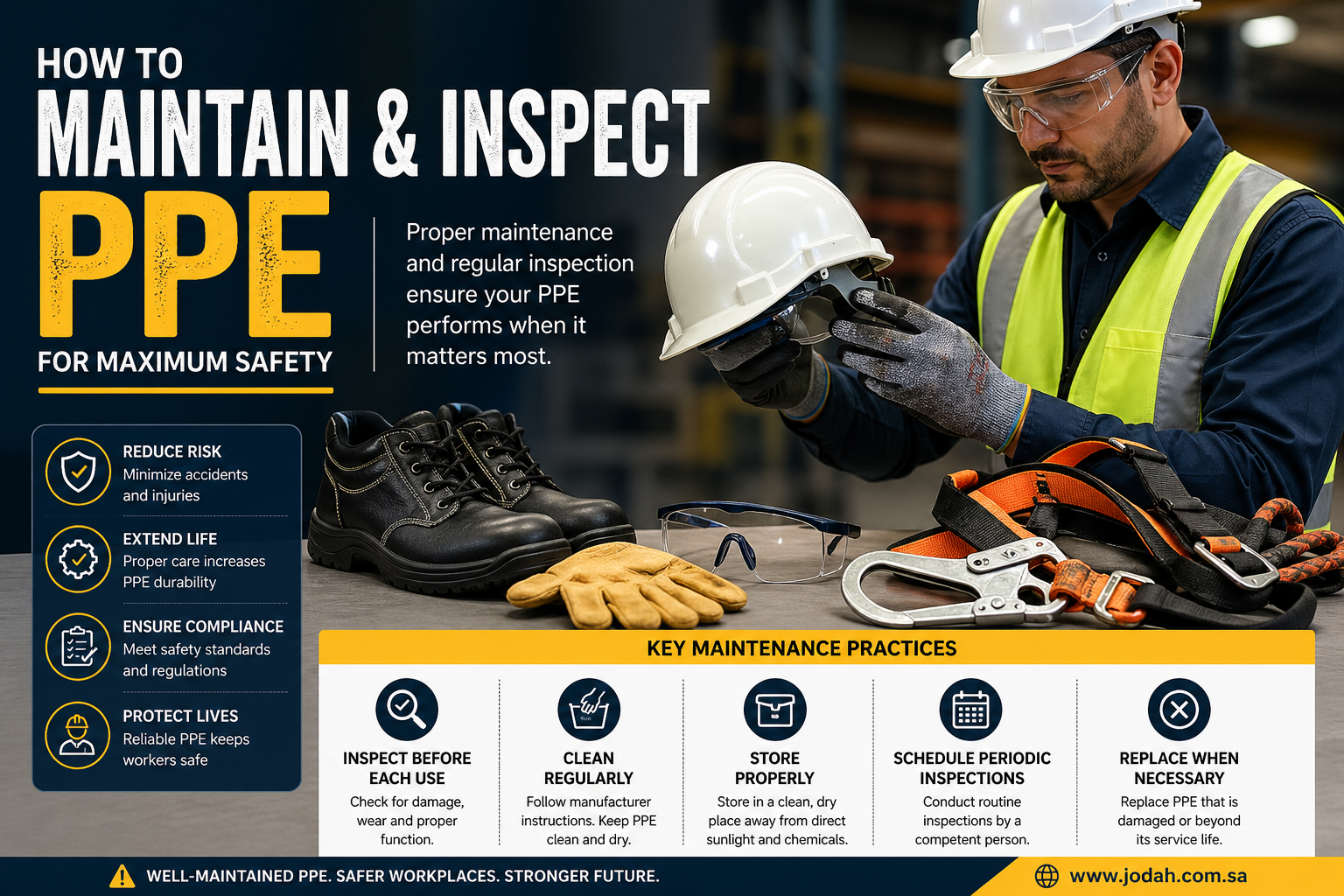
All safety equipment must be inspected regularly to ensure it works properly.
Best Practices for Fall Safety
Companies should follow these workplace safety practices to reduce fall risks:
- Conduct proper risk assessment before starting work
- Provide safety training for workers
- Use certified fall protection equipment
- Inspect equipment regularly
- Install guardrails or barriers whenever possible
A strong safety culture helps prevent accidents and protects workers.
Fall protection plays a vital role in workplace safety, especially in industries where employees work at heights. By using proper safety equipment, providing worker training, and following safety standards, companies can significantly reduce the risk of fall-related accidents. Protecting workers is not only a legal responsibility but also an important step toward building a safe and productive workplace.