

Understanding Safety Shoe Toe Protection Types (With Saudi Arabia Regulations)
- Posted by: Shereef
A Short Story ...
On his first day at a construction site in Saudi Arabia, Ahmed walked in wearing what he thought were strong, durable shoes. Within minutes, his supervisor stopped him and pointed to a stack of heavy steel materials being moved nearby.
“What if that falls on your foot?” he asked.
Ahmed didn’t have an answer.
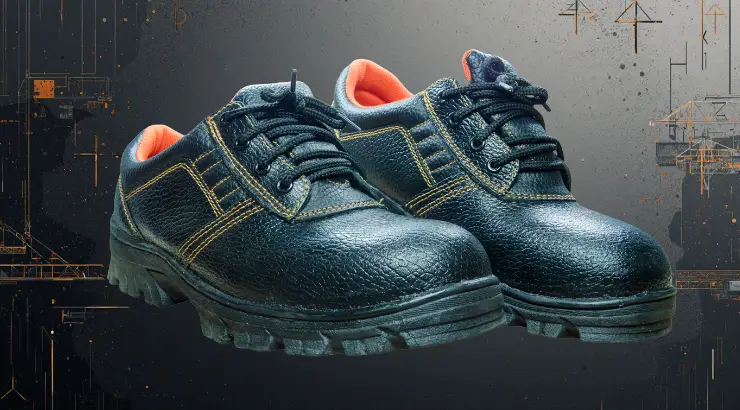
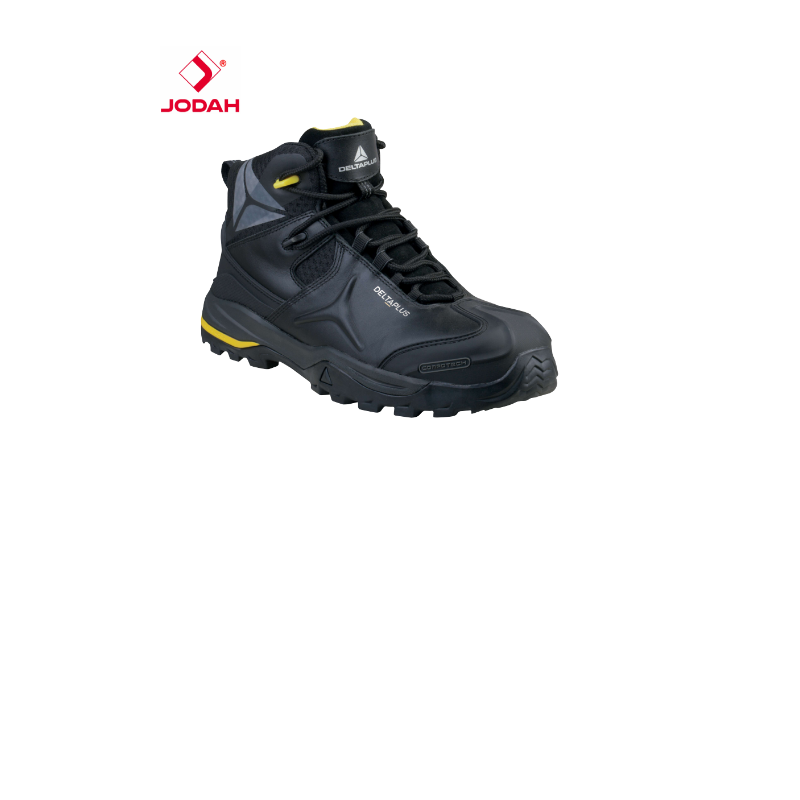
He was then taken to the safety store, where he saw different kinds of safety shoes such as steel toe, composite toe, and more. That day, Ahmed learned something important: not all safety shoes are the same, and choosing the right toe protection can prevent serious injuries.
Why Toe Protection is Important
In industrial workplaces, foot injuries are very common due to:
- Falling objects
- Rolling equipment
- Sharp materials
- Heavy compression
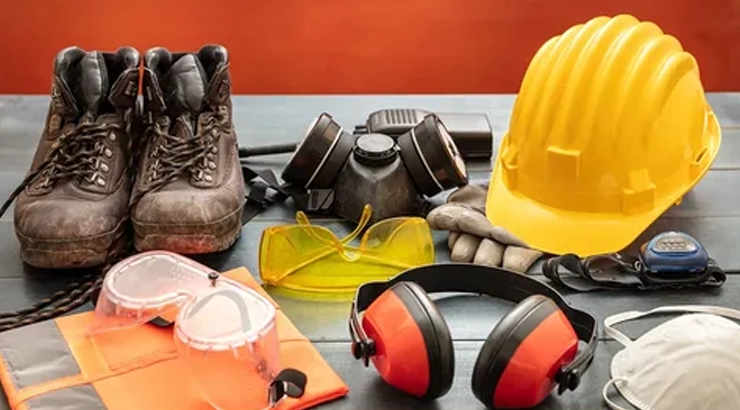
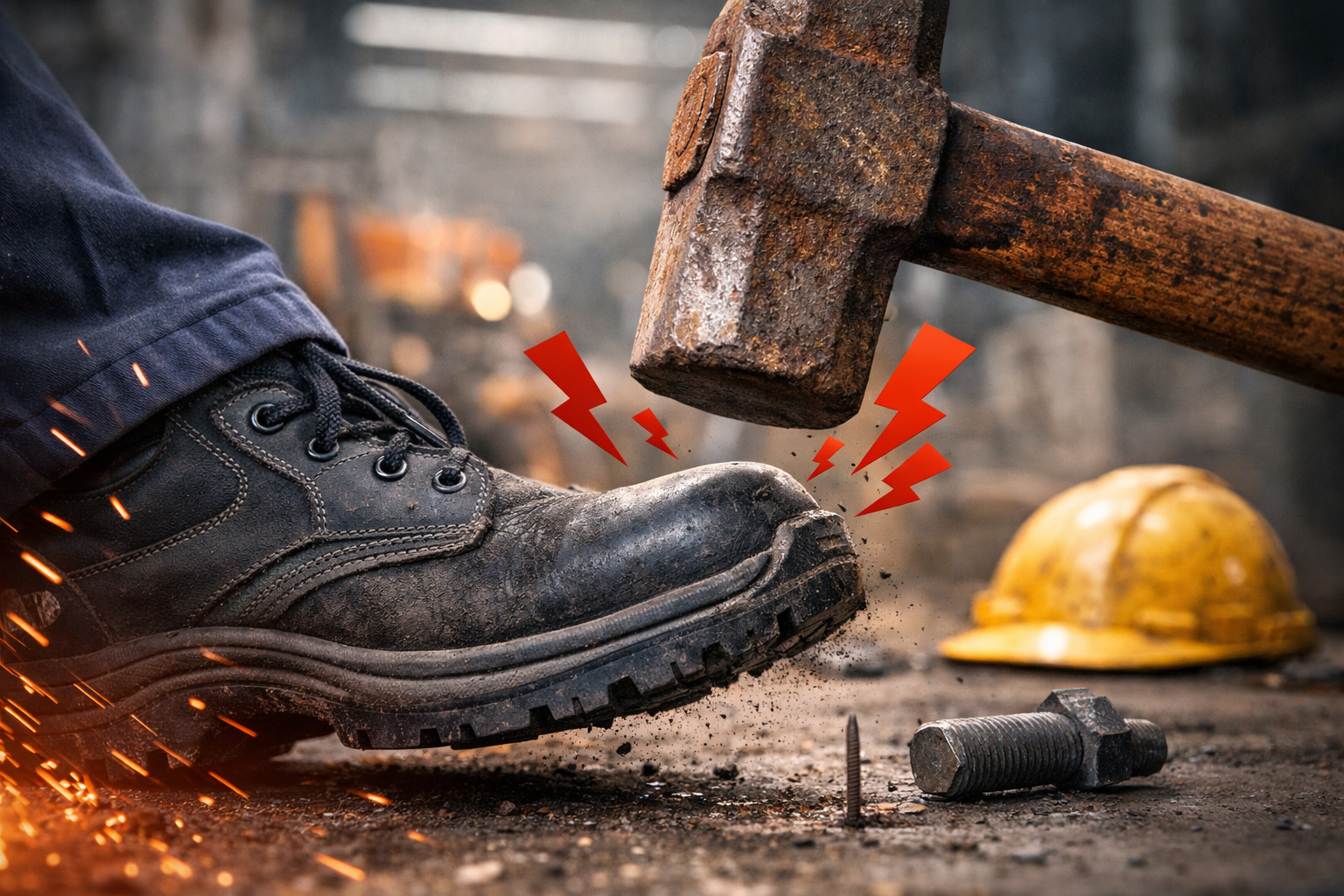
Toe protection in safety shoes is designed to absorb impact and protect the toes from crushing injuries. Without proper protection, even a small accident can lead to serious damage.
Main Types of Toe Protection in Safety Shoes
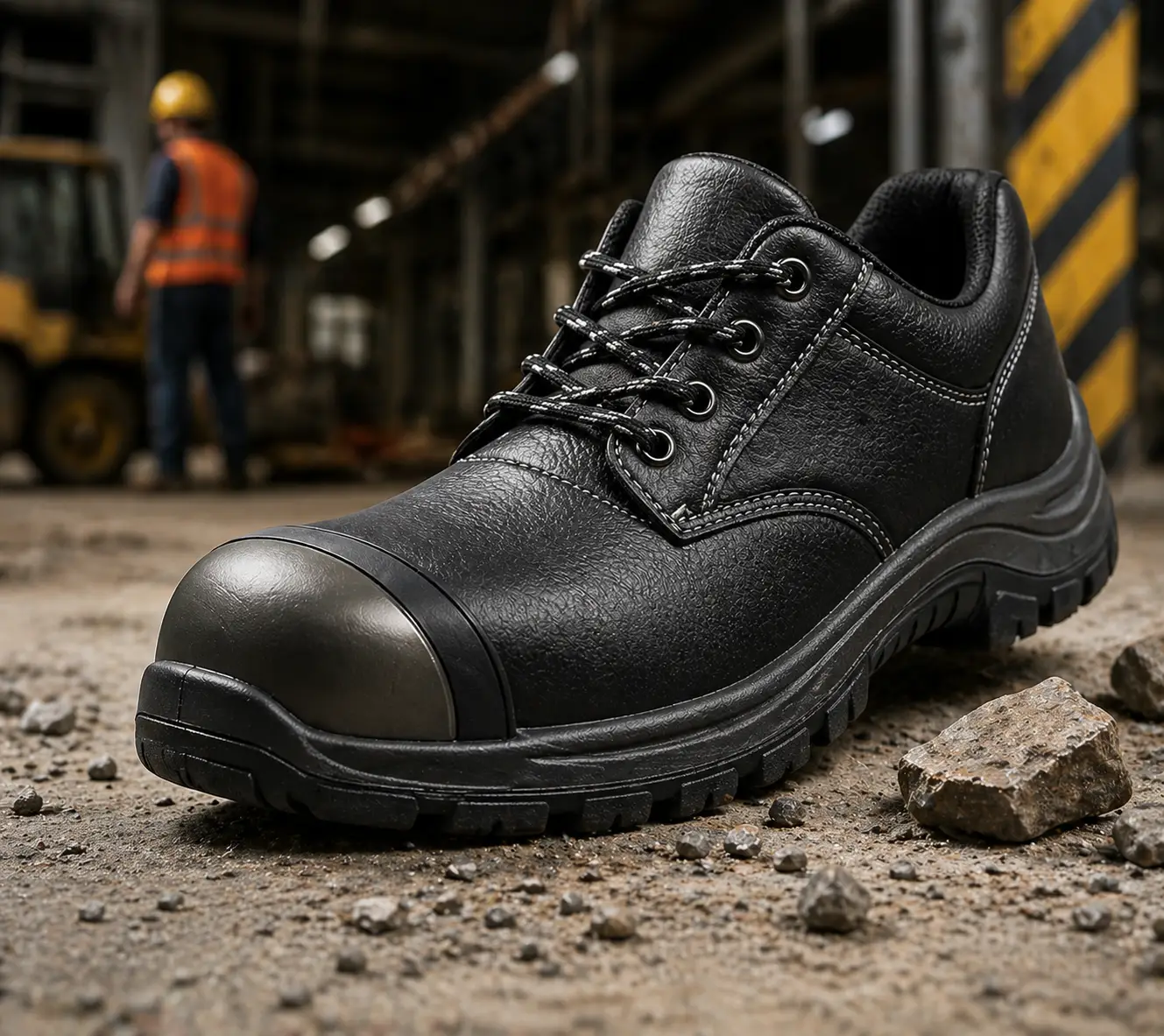
1. Steel Toe Protection
Steel toe is the most widely used type in industrial environments.
Features:
- Made with a strong steel cap inside the front part of the shoe
- High resistance to impact and compression
Best suited for:
- Construction sites
- Oil & gas industry
- Heavy manufacturing
Advantages:
- Maximum protection
- Durable and long-lasting
Limitations:
- Heavier than other types
- Can conduct heat and electricity
2. Composite Toe Protection
Composite toe shoes are made from non-metal materials such as fiberglass or carbon fiber.
Features:
- Lightweight
- Non-metallic
- Does not conduct electricity
Best suited for:
- Electrical work
- Security-sensitive areas (airports, etc.)
- Hot environments like Saudi Arabia
Advantages:
- Comfortable for long working hours
- Better insulation against heat
Limitations:
- Slightly thicker design
- Usually higher cost
3. Alloy Toe Protection
Alloy toe shoes use materials like aluminum or titanium.
Features:
- Lighter than steel
- Strong and compact design
Best suited for:
- Workers needing both protection and comfort
Advantages:
- Lightweight
- Slim shape compared to composite
Limitations:
- Slightly less protective than steel in extreme heavy-duty conditions
4. Metatarsal Protection (Advanced Protection)
This type provides additional protection beyond the toes.
Features:
- Covers the upper part of the foot (metatarsal area)
- Available as internal or external guards
Best suited for:
- Mining
- Heavy industries
- High-impact environments
Safety Standards and Regulations in Saudi Arabia
1. National Authority
In Saudi Arabia, safety footwear must comply with standards set by
Saudi Standards, Metrology and Quality Organization
- Ensures safety products meet quality and performance requirements
- Safety shoes must be approved before being sold or used
2. International Standards Followed
Industries in Saudi Arabia commonly follow:
- ASTM F2413 (USA)
- EN ISO 20345 (Europe)
These standards define:
- Impact resistance (typically 200 Joules)
- Compression resistance (around 15 kN)
- Testing and certification requirements
3. Company-Level Requirements
Large companies such as
Saudi Aramco
have strict internal safety policies.
Typical requirements include:
- Certified toe protection (steel, composite, or alloy)
- Clear labeling inside the shoe
- Additional protection based on job risk
4. Mandatory Use in Workplaces
- Safety shoes are mandatory in hazardous environments
- Employers must provide proper PPE
- Workers must use the correct type of footwear for their job
Failure to comply can result in penalties or restricted site access.
How to Choose the Right Toe Protection
Selecting the correct type depends on the work environment:
- Heavy-duty work (construction, oil & gas) → Steel toe
- Electrical work → Composite toe
- Long working hours → Alloy or composite toe
- High-impact risk → Metatarsal protection
In Saudi Arabia, it is also important to consider:
- Heat resistance
- Comfort for long shifts
- Breathability
Conclusion
Safety shoe toe protection plays a vital role in preventing workplace injuries. Each type such as steel, composite, alloy, and metatarsal serves a specific purpose based on the level of risk involved.
With regulations guided by
Saudi Standards, Metrology and Quality Organization
and strict industry practices followed by companies like
Saudi Aramco,
Making the right choice ensures better protection, improved comfort, and compliance with workplace standards.