






The Psychology of Workplace Safety: Why Workers Ignore PPE and How to Change It
- Posted by: Hadiya
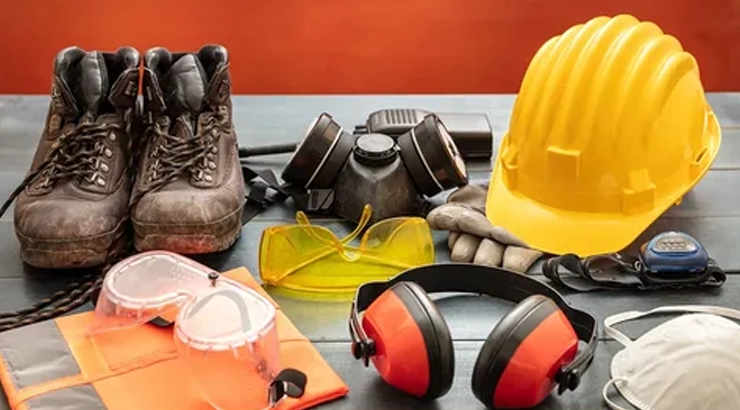
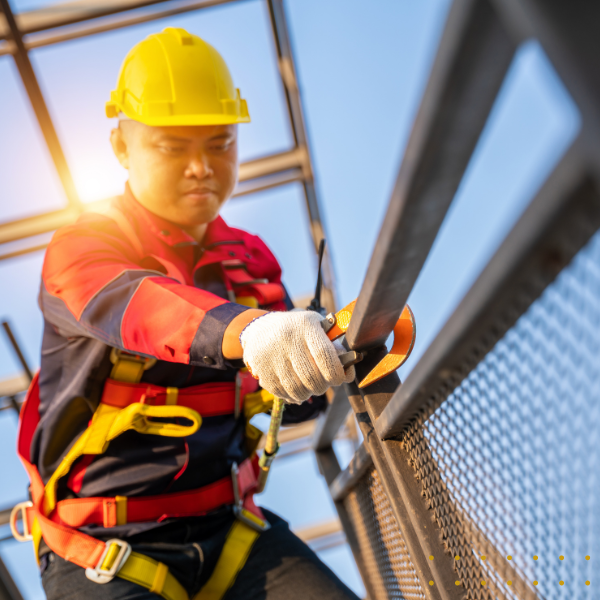
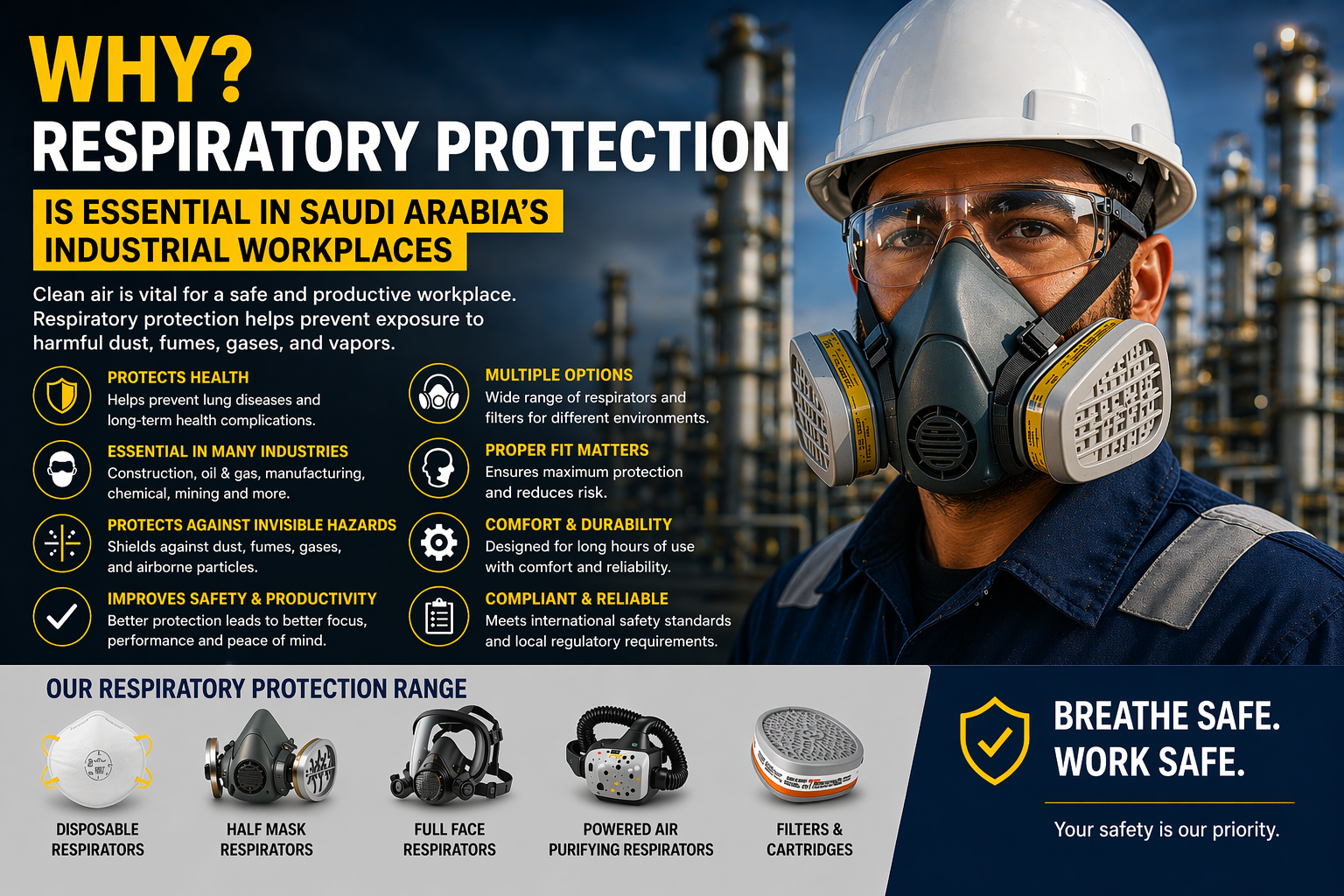
Personal Protective Equipment (PPE) plays a critical role in preventing workplace injuries, yet PPE non-compliance remains a major challenge across construction sites, factories, warehouses, and industrial facilities. Despite clear safety rules, many workers still ignore PPE, putting themselves and others at risk.
To solve this issue, businesses must understand the psychology of workplace safety. PPE compliance is not only about rules it is about human behavior, comfort, awareness, and workplace culture. When companies address these factors, safety becomes a habit rather than an obligation.
Understanding the Psychology Behind Workplace Safety
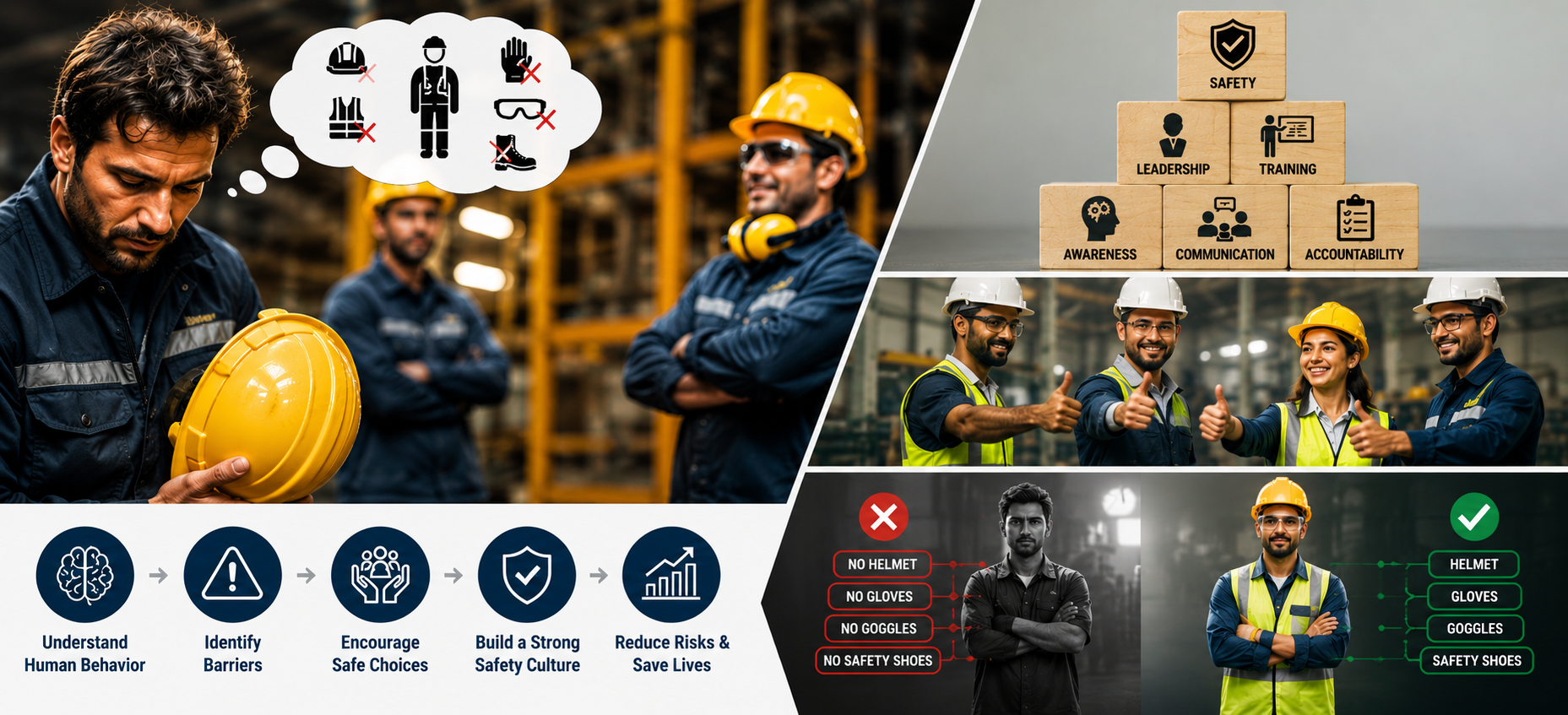
Workplace safety behavior is strongly influenced by how workers perceive risk, pressure, and convenience. Many employees do not intentionally ignore safety rules; instead, they make decisions based on experience, peer behavior, and daily work demands.
By understanding why workers ignore PPE, employers can take practical steps to improve PPE usage and build a stronger safety culture in the workplace.
Why Workers Ignore PPE Despite Safety Rules
Overconfidence and Familiarity with Risk
Experienced workers often believe accidents “won’t happen to them". Familiarity with tasks creates overconfidence, leading employees to underestimate danger. Ironically, most workplace accidents occur during routine activities not high risk operations.
This mindset is one of the most common PPE compliance issues in industrial environments.
Discomfort and Poor PPE Fit
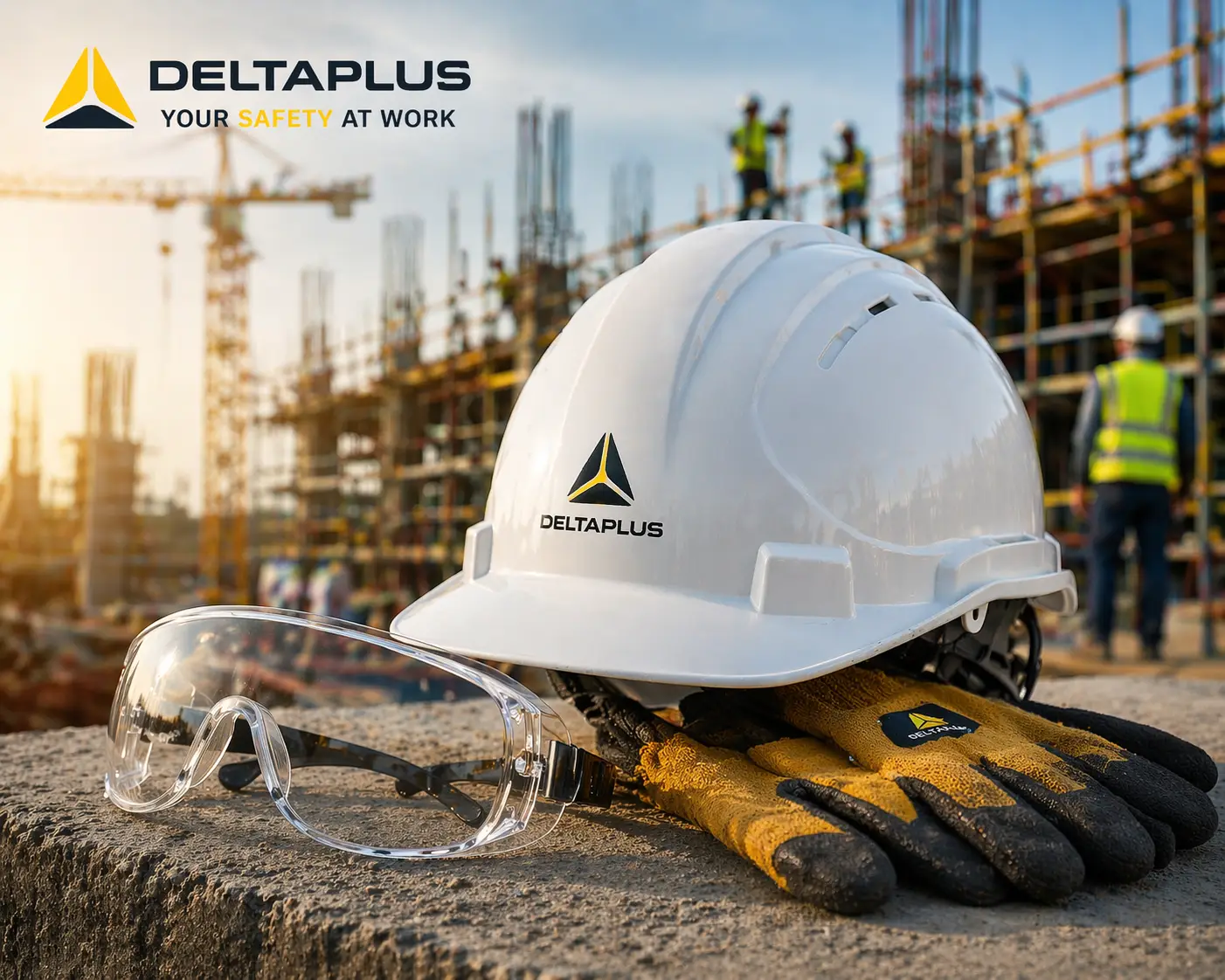
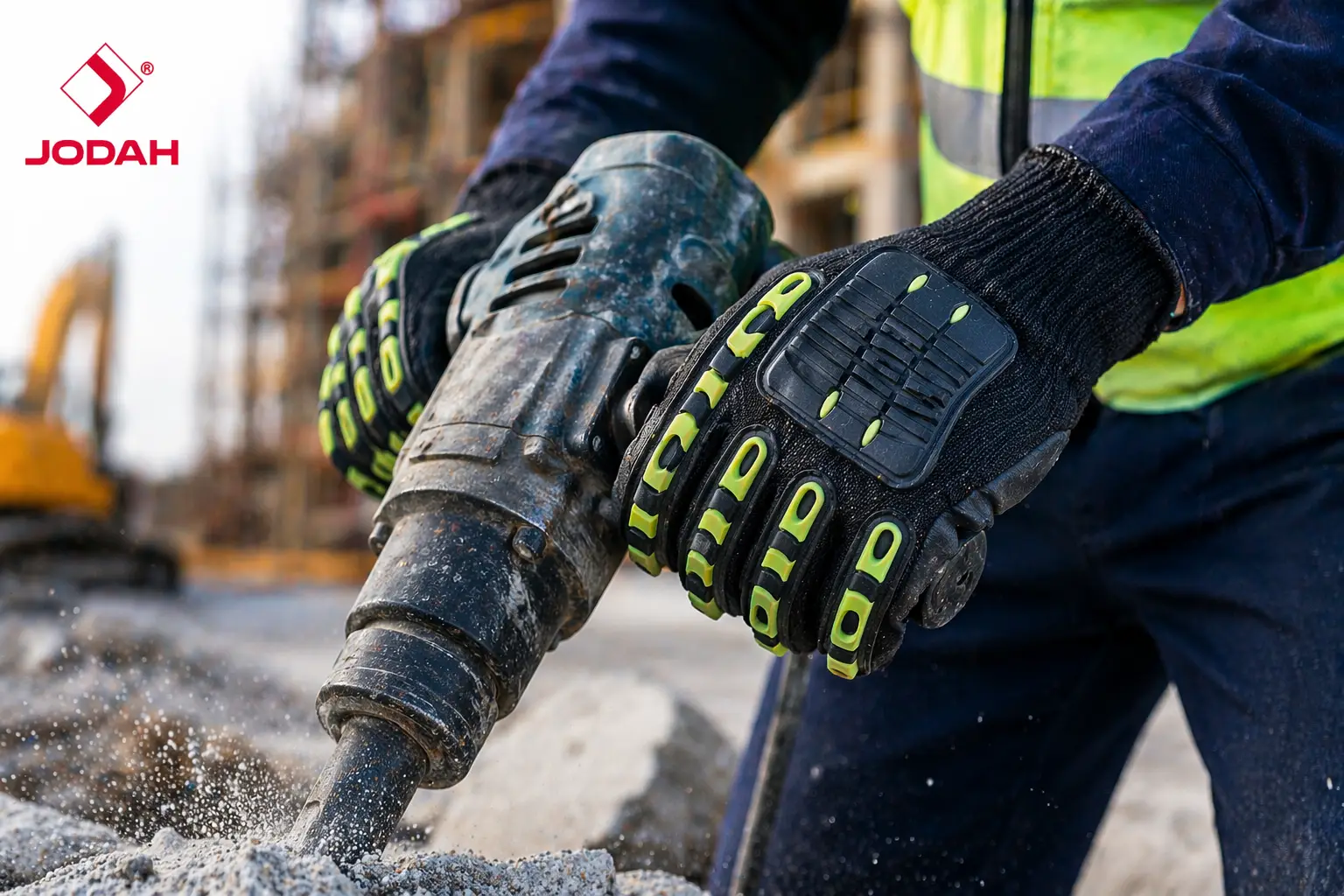
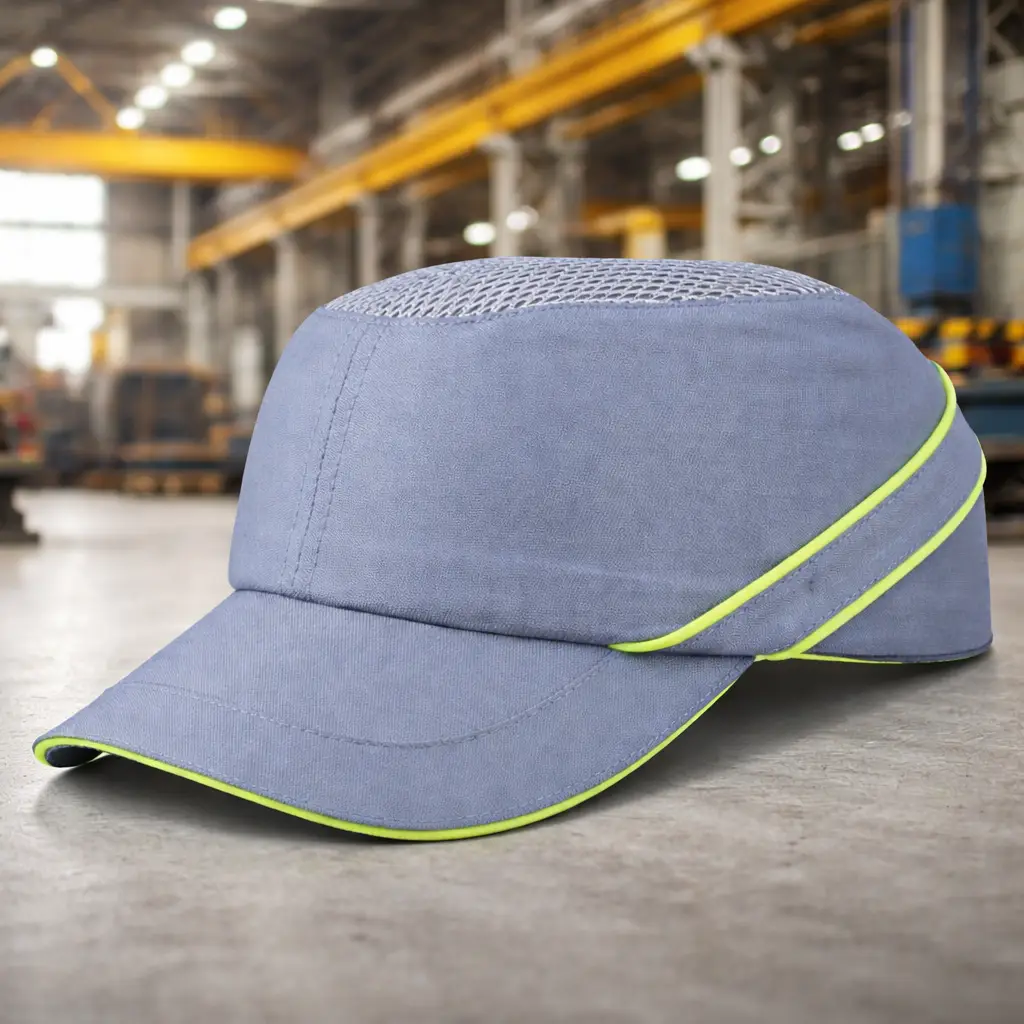
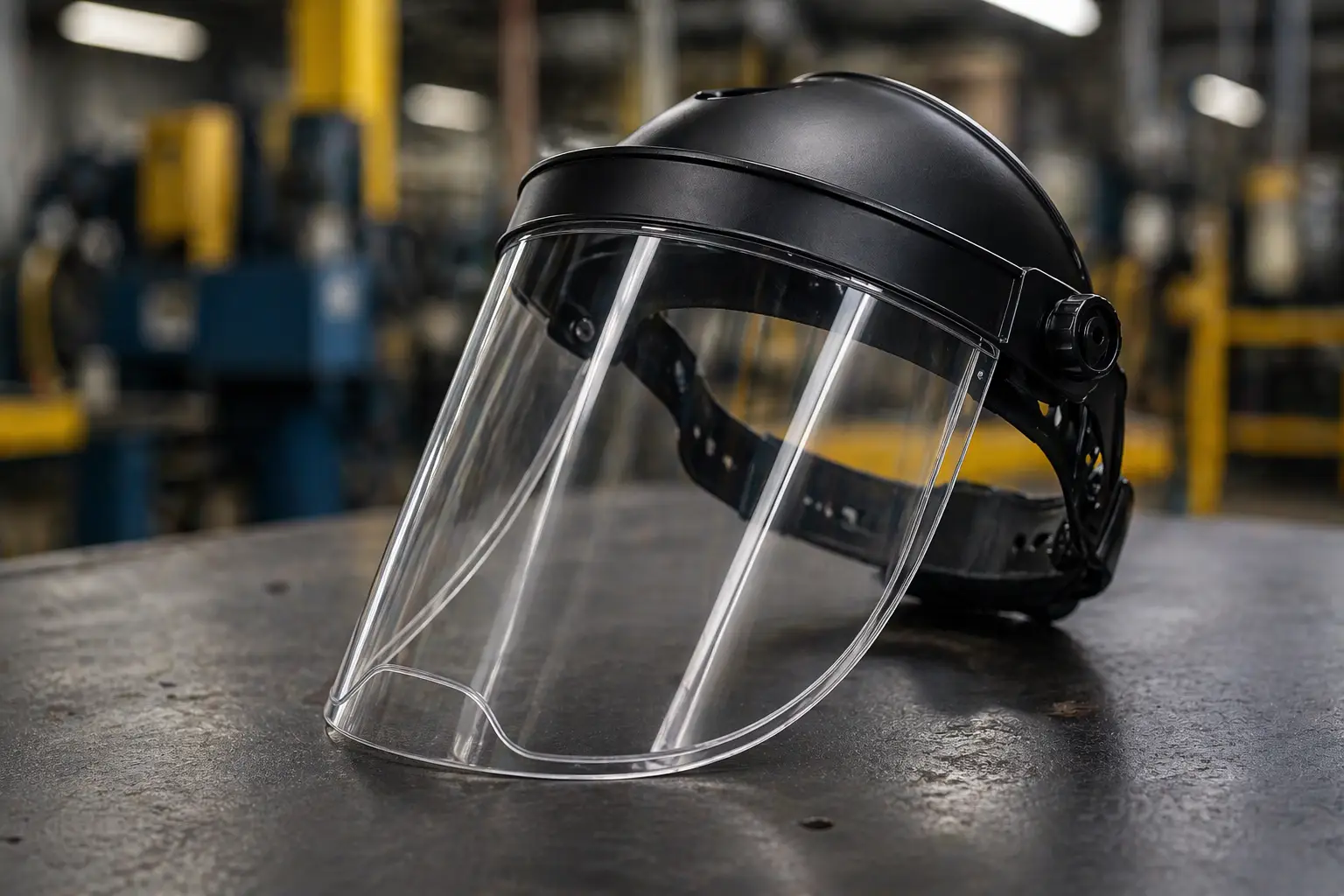
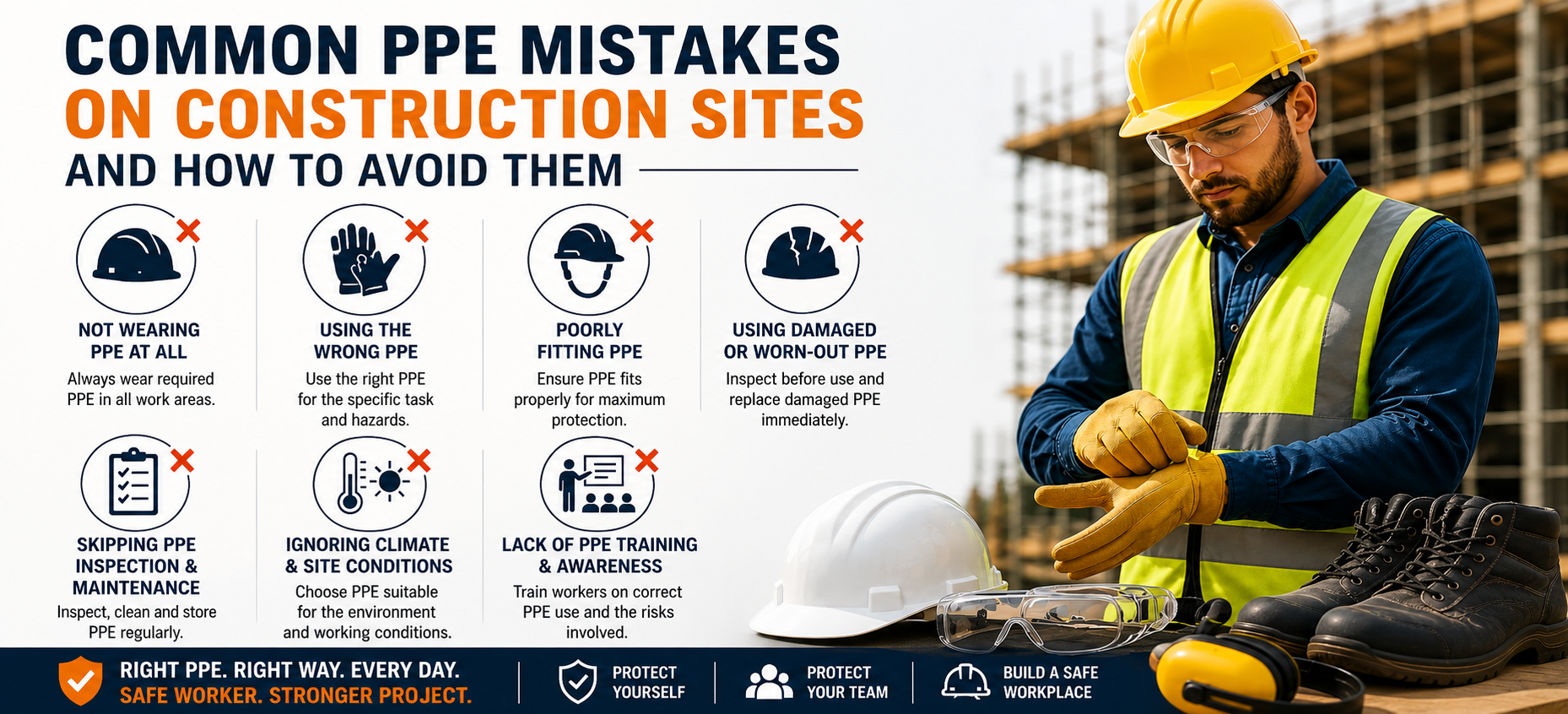
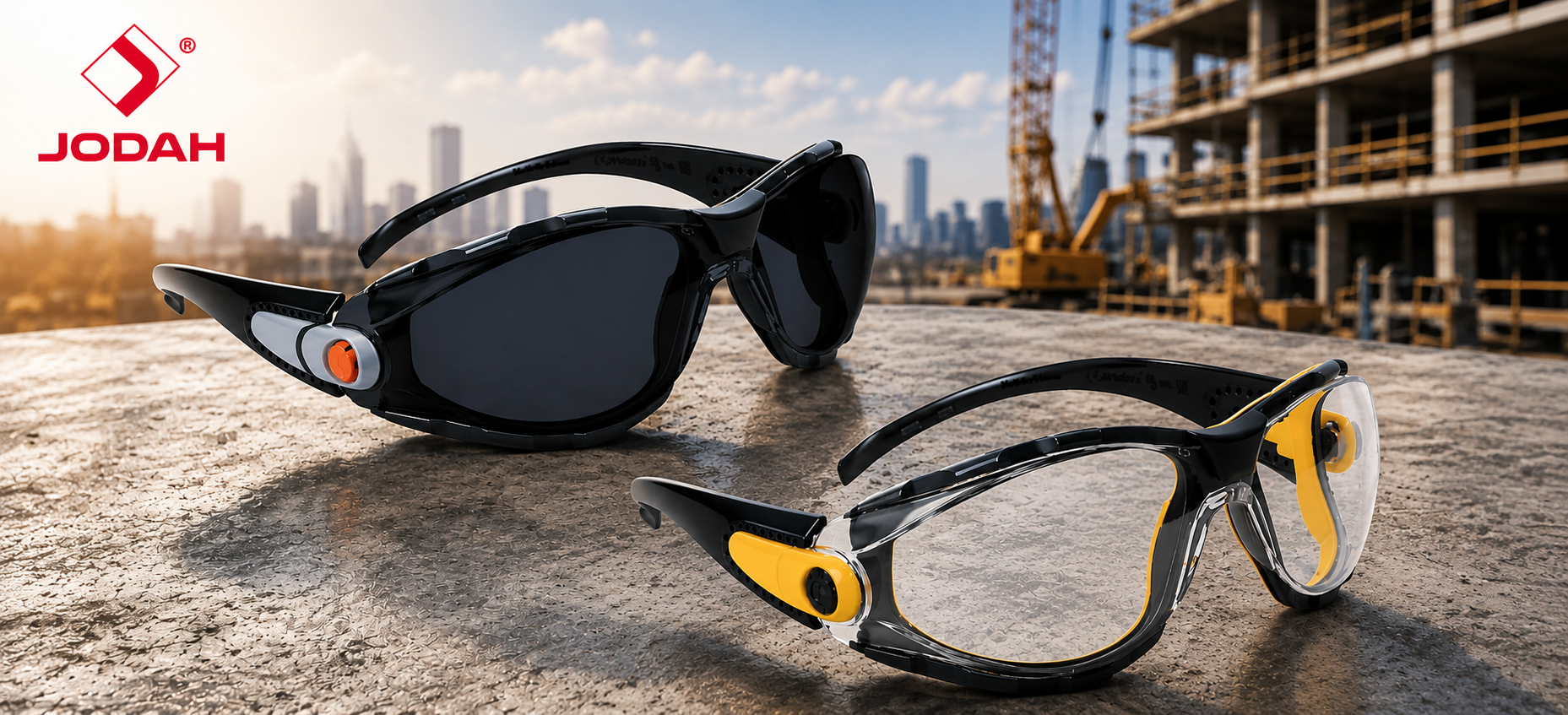
Uncomfortable PPE is a major reason workers avoid wearing it. Ill fitting gloves, foggy safety glasses, heavy helmets, or restrictive clothing reduce productivity and cause frustration.
Choosing task specific, comfortable PPE significantly improves acceptance and daily usage.
Peer Pressure and Workplace Culture
Workplace culture has a powerful impact on safety behavior. If supervisors or senior workers ignore PPE, others will follow. Over time, unsafe practices become normalized.
A strong safety culture starts with leadership. When management leads by example, PPE compliance improves naturally.
Lack of Safety Awareness and Training
Some workers do not fully understand the importance of PPE at the workplace. Generic safety training often explains rules without explaining consequences.
Effective safety training should:
- Clearly explain hazards
- Show how PPE prevents real injuries
- Be repeated regularly, not just during onboarding
Awareness directly improves PPE usage in construction and industrial settings.
The Real Impact of Ignoring Personal Protective Equipment
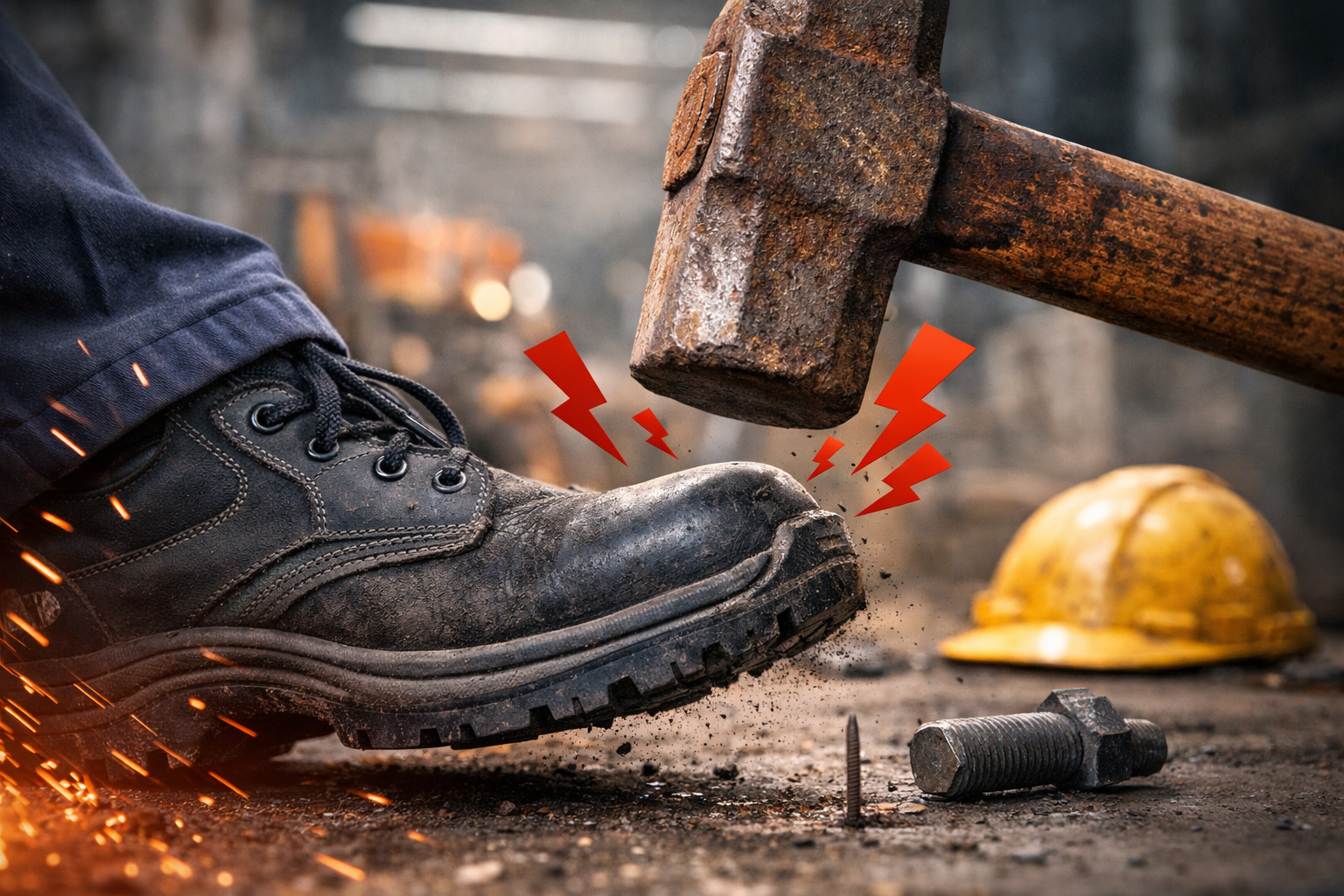
Ignoring personal protective equipment has serious consequences, including:
- Increased workplace injuries and fatalities
- Production delays and downtime
- Legal penalties and compliance violations
- Higher insurance and compensation costs
- Damage to company reputation
Investing in PPE safety is far less costly than dealing with the aftermath of an accident.
How Employers Can Improve PPE Compliance
Choose Comfortable, Task Specific PPE
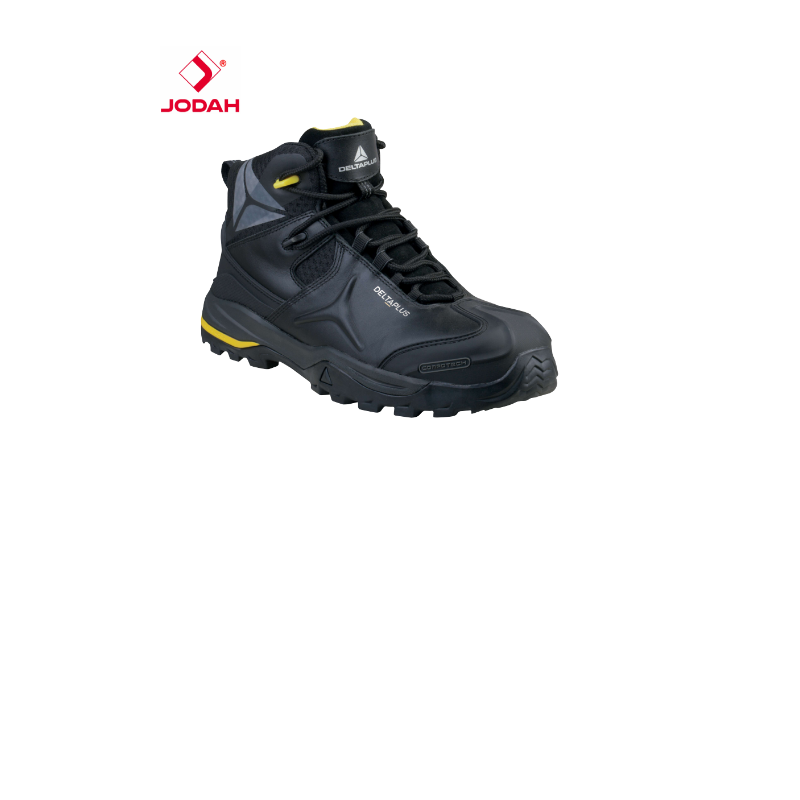
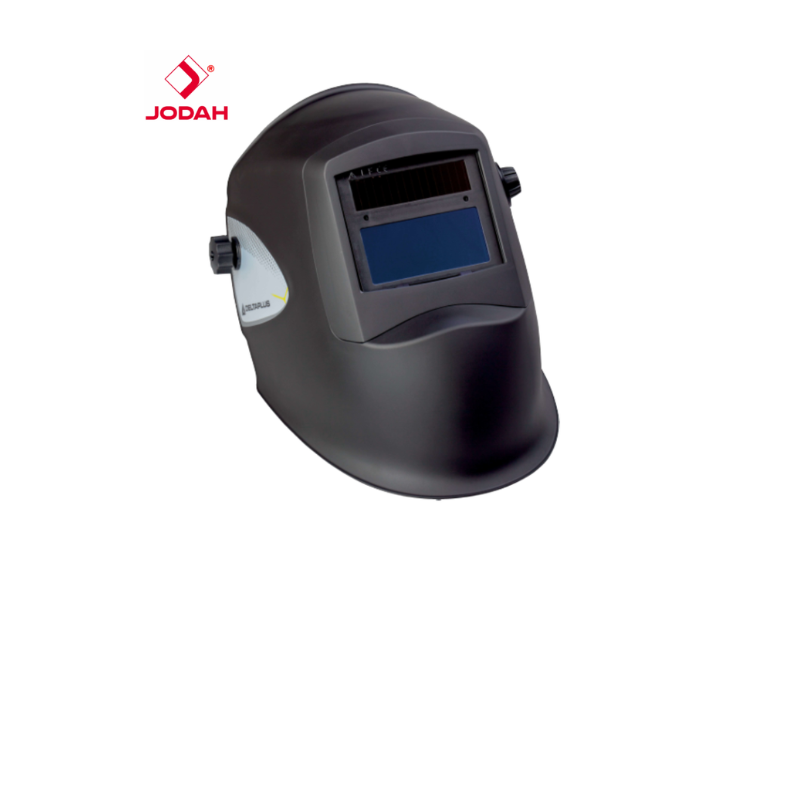
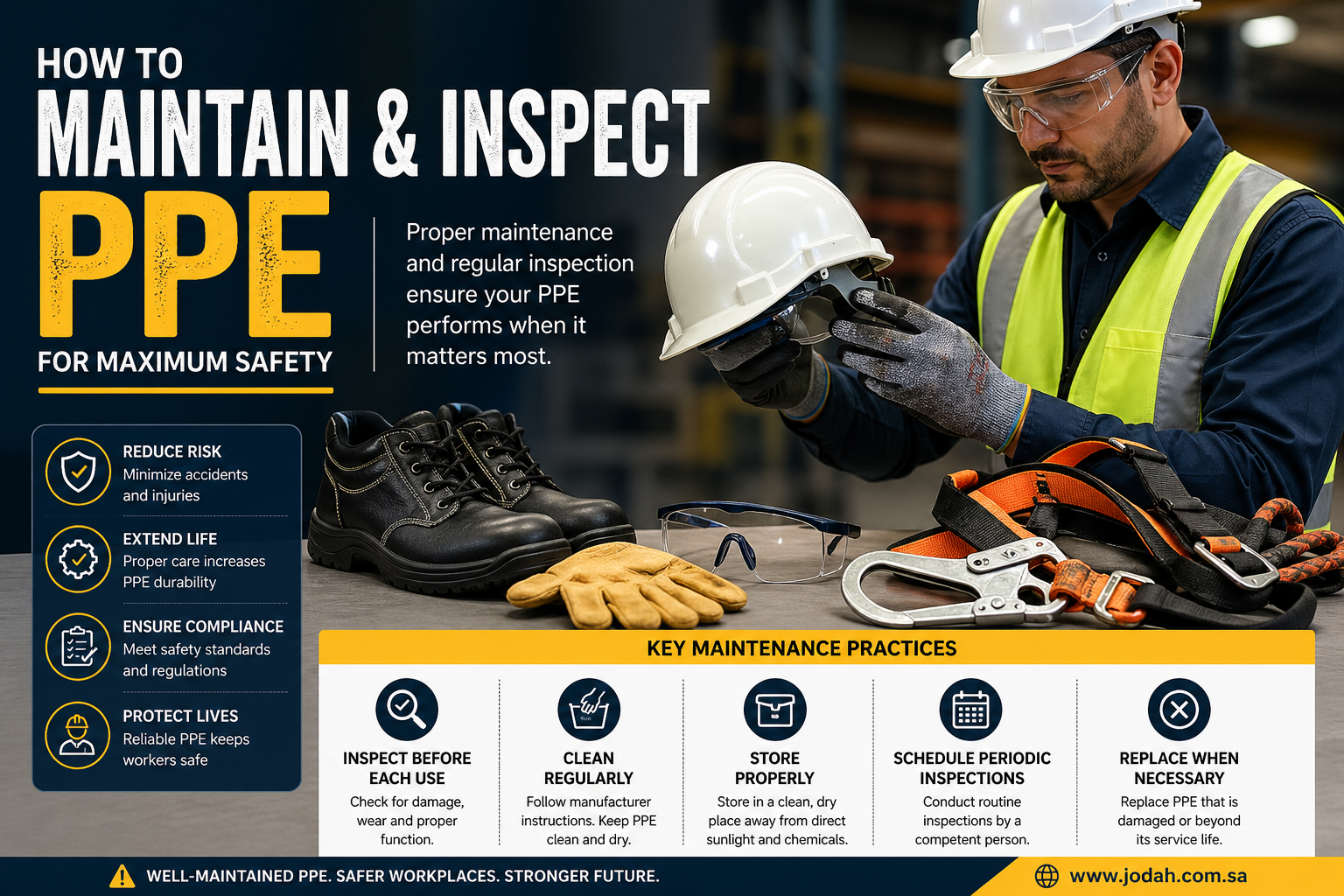
Providing high quality PPE designed for specific tasks improves comfort and productivity. When PPE fits well and allows easy movement, workers are far more likely to wear it consistently.
Provide Regular Safety Training
Ongoing safety training reinforces awareness and reminds workers why PPE is essential. Short, practical training sessions are more effective than one time lectures.
Lead by Example
Supervisors and managers must always wear PPE. Leadership behavior directly influences workplace safety culture and employee compliance.
Reinforce Positive Safety Behavior
Recognizing and rewarding safe behavior encourages consistency. Positive reinforcement builds long term behavioral safety in industrial workplaces.
Building a Strong Safety Culture Starts with the Right PPE
A safe workplace is built on understanding people not just enforcing rules. By addressing comfort, training, and culture, companies can transform PPE compliance from forced behavior into a daily habit.
At JODAH, we support businesses with reliable industrial safety solutions designed for real world working conditions. Our goal is to help organizations protect their workforce while maintaining productivity and compliance.
Conclusion: Safety Starts with Understanding Behavior
Workers rarely ignore PPE out of carelessness. More often, the reasons are psychological overconfidence, discomfort, pressure, or poor awareness. By understanding these factors and choosing the right approach, companies can significantly reduce accidents and create safer work environments.
Because when workers feel protected, they work with confidence and confidence builds success.