
How to Maintain and Inspect PPE for Maximum Safety
- Posted by: Hadiya
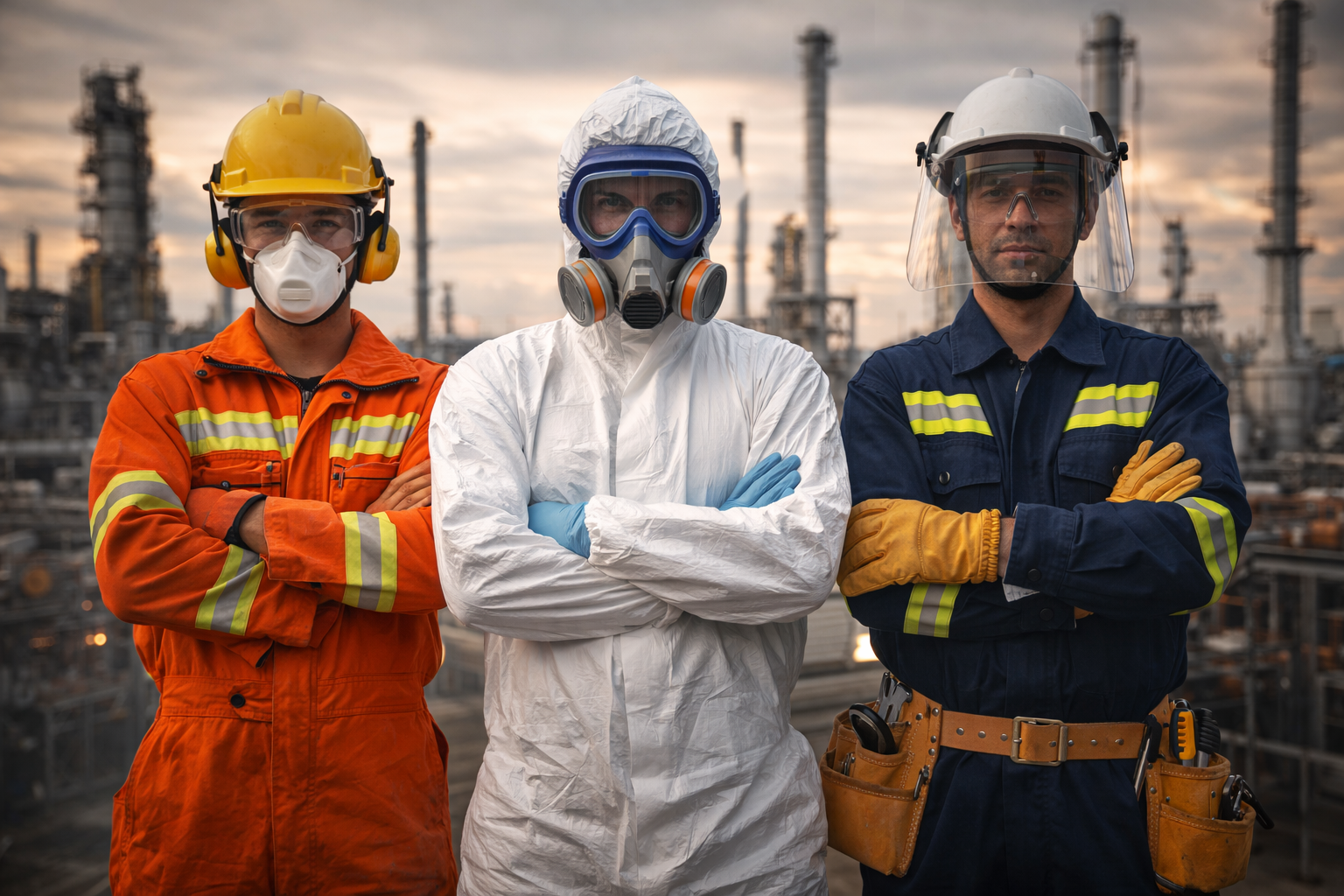
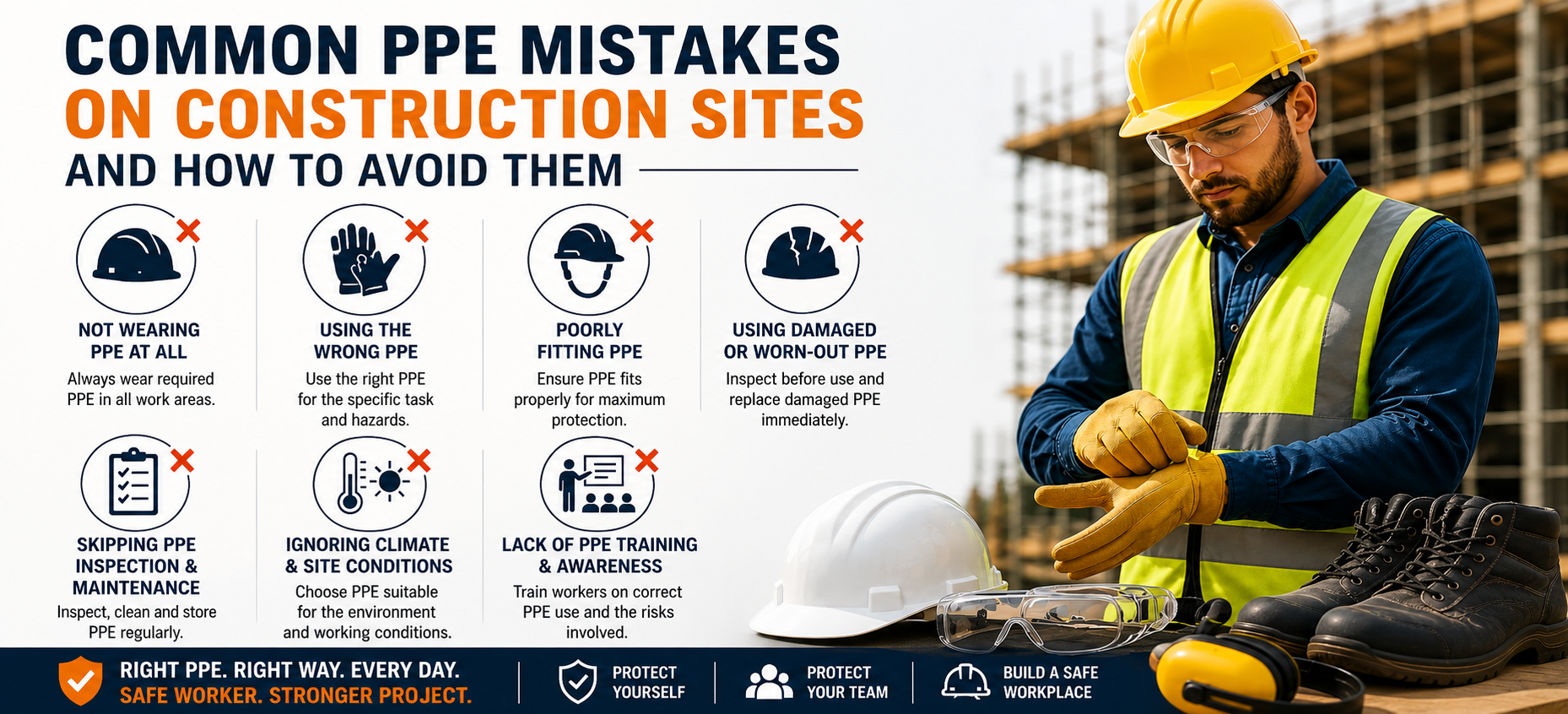
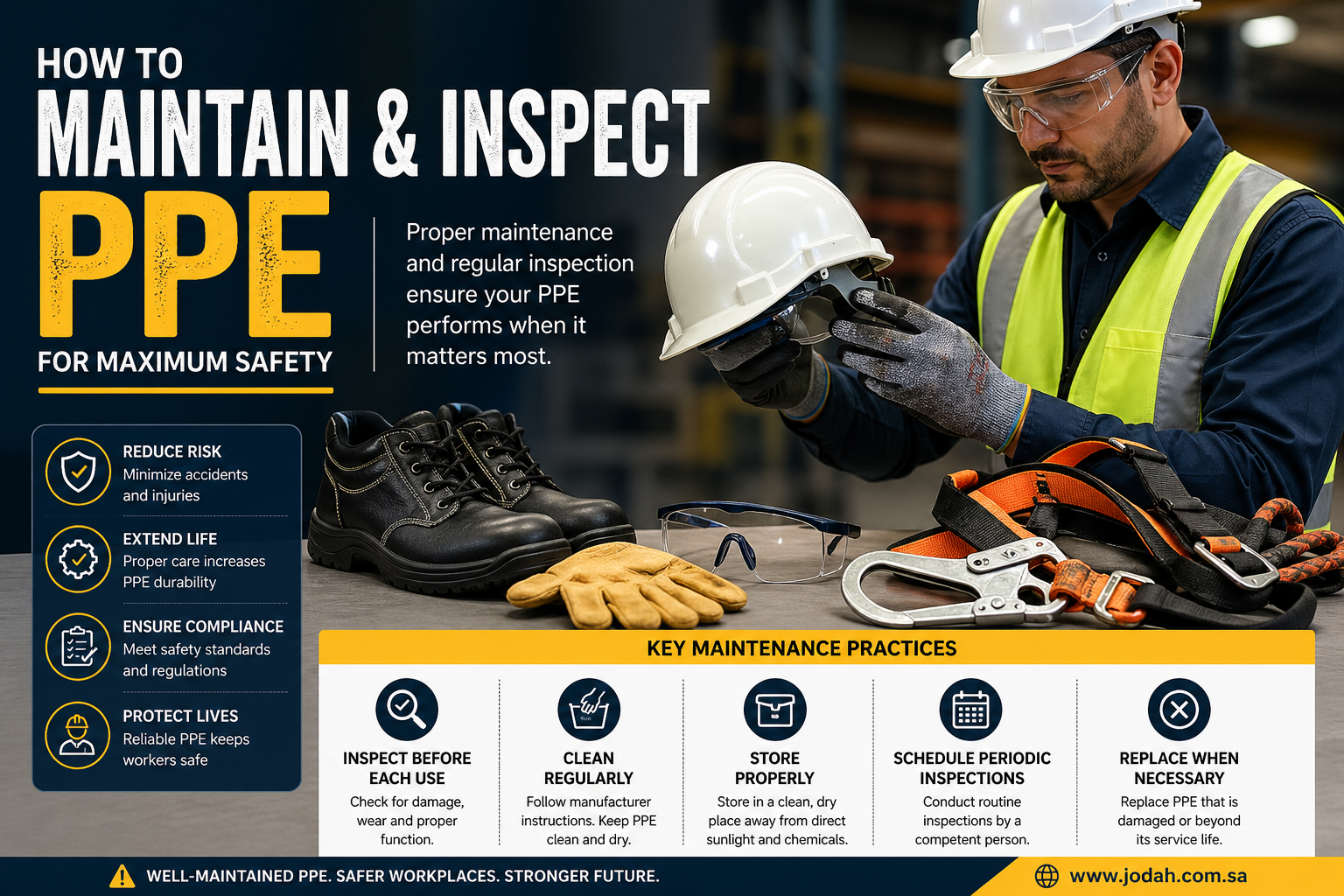
Personal Protective Equipment (PPE) is essential for protecting workers from injuries and health risks on construction, industrial, and infrastructure sites. However, PPE can only perform effectively when it is properly maintained and regularly inspected. Using damaged or poorly maintained PPE can increase workplace risks and compromise safety.
This guide explains how to inspect, maintain, and store PPE correctly to ensure maximum protection and compliance, especially in demanding working conditions.
Why PPE Maintenance and Inspection Matter
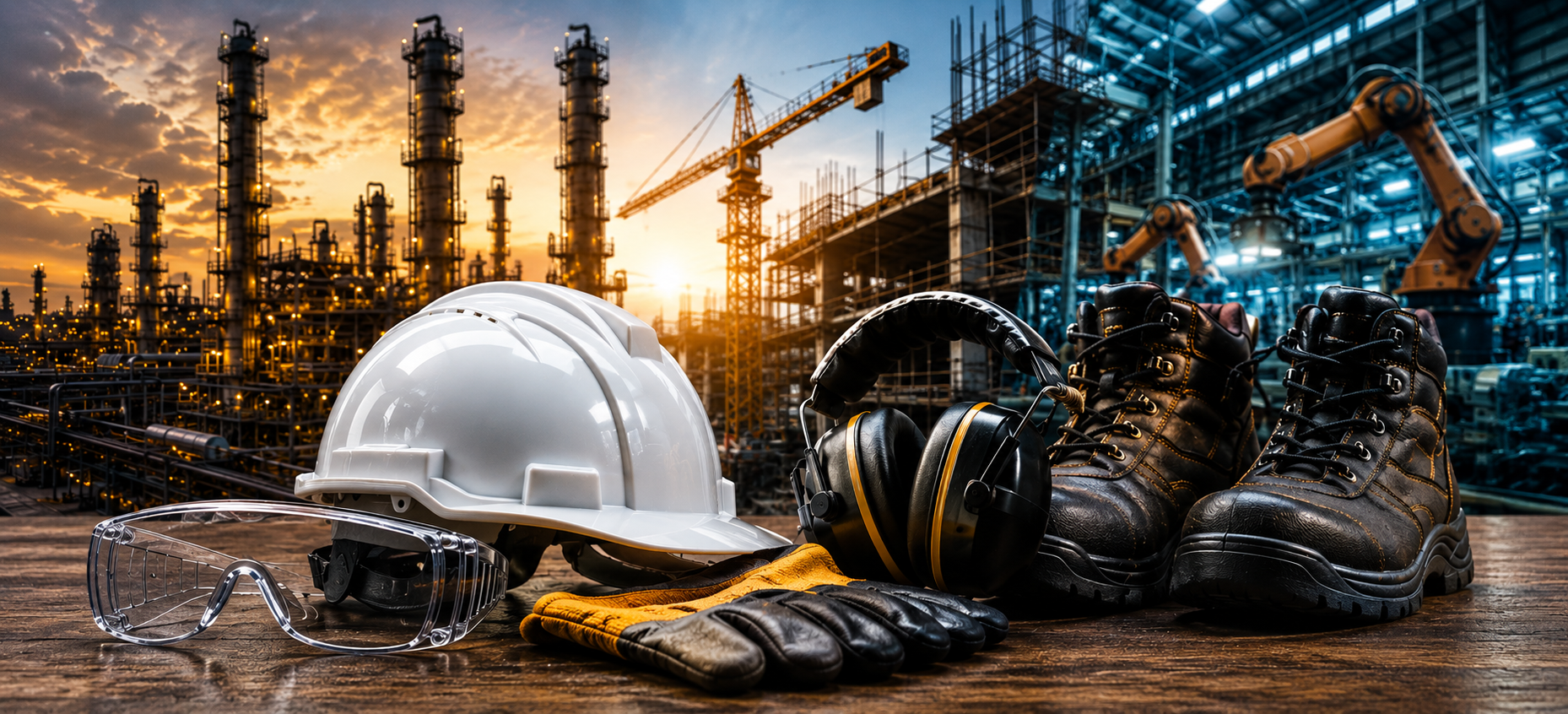
PPE acts as the last line of defense against workplace hazards. Even certified PPE may fail if it is worn beyond its service life, stored incorrectly, or not inspected regularly. Proper maintenance helps:
- Reduce accidents and injuries
- Extend PPE lifespan
- Maintain compliance with safety standards
- Improve overall site safety performance
PPE Types That Require Regular Inspection
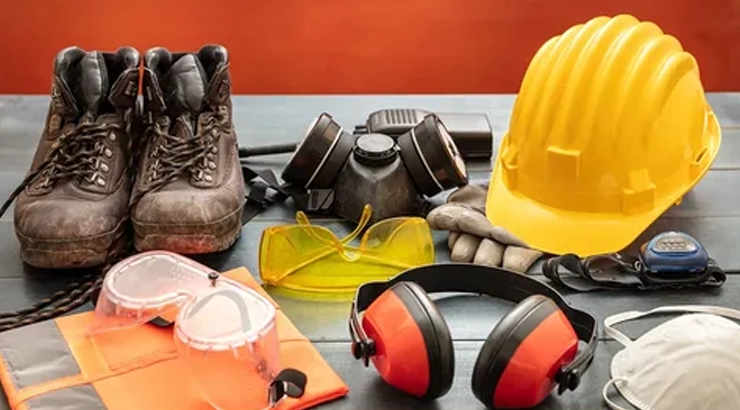
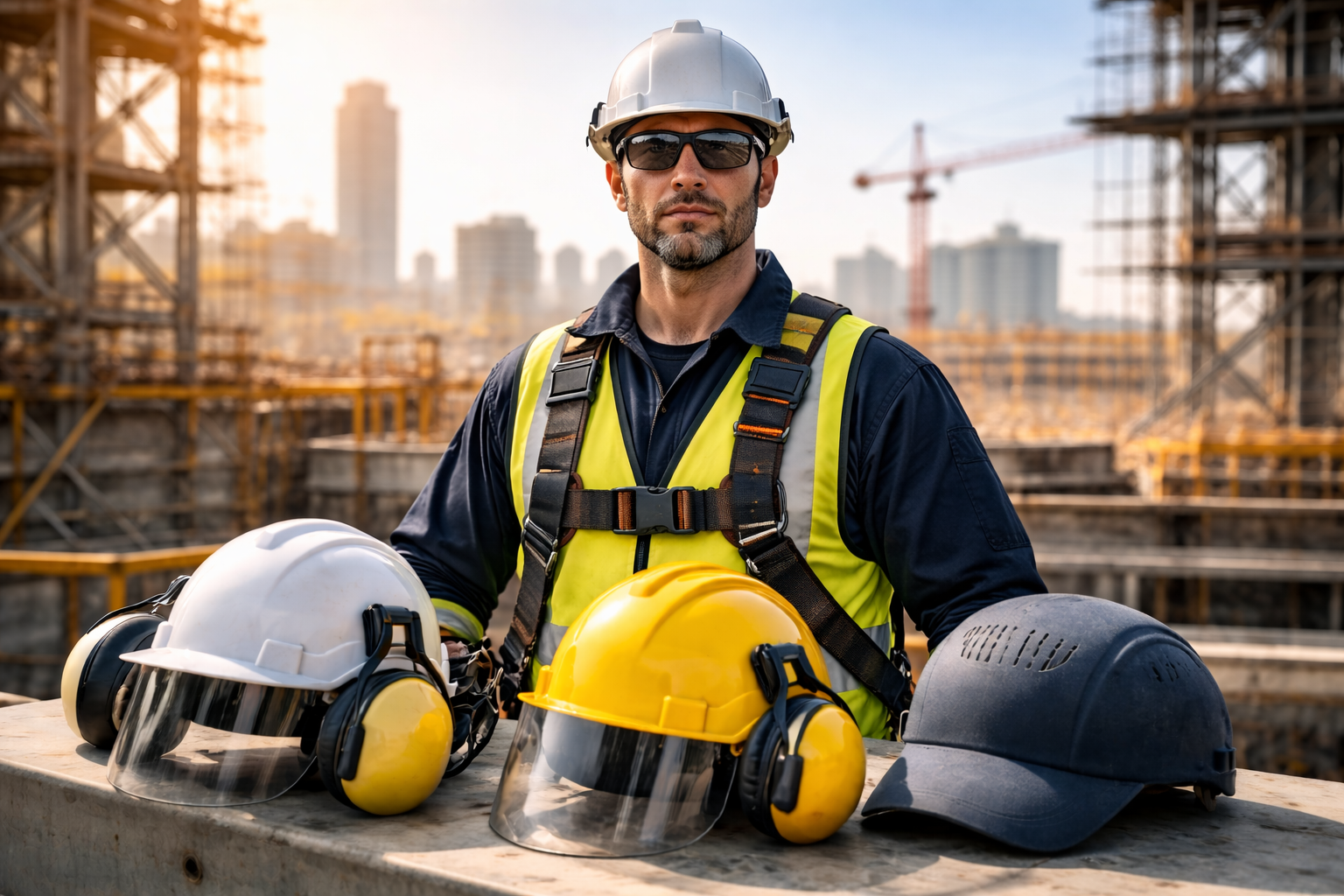
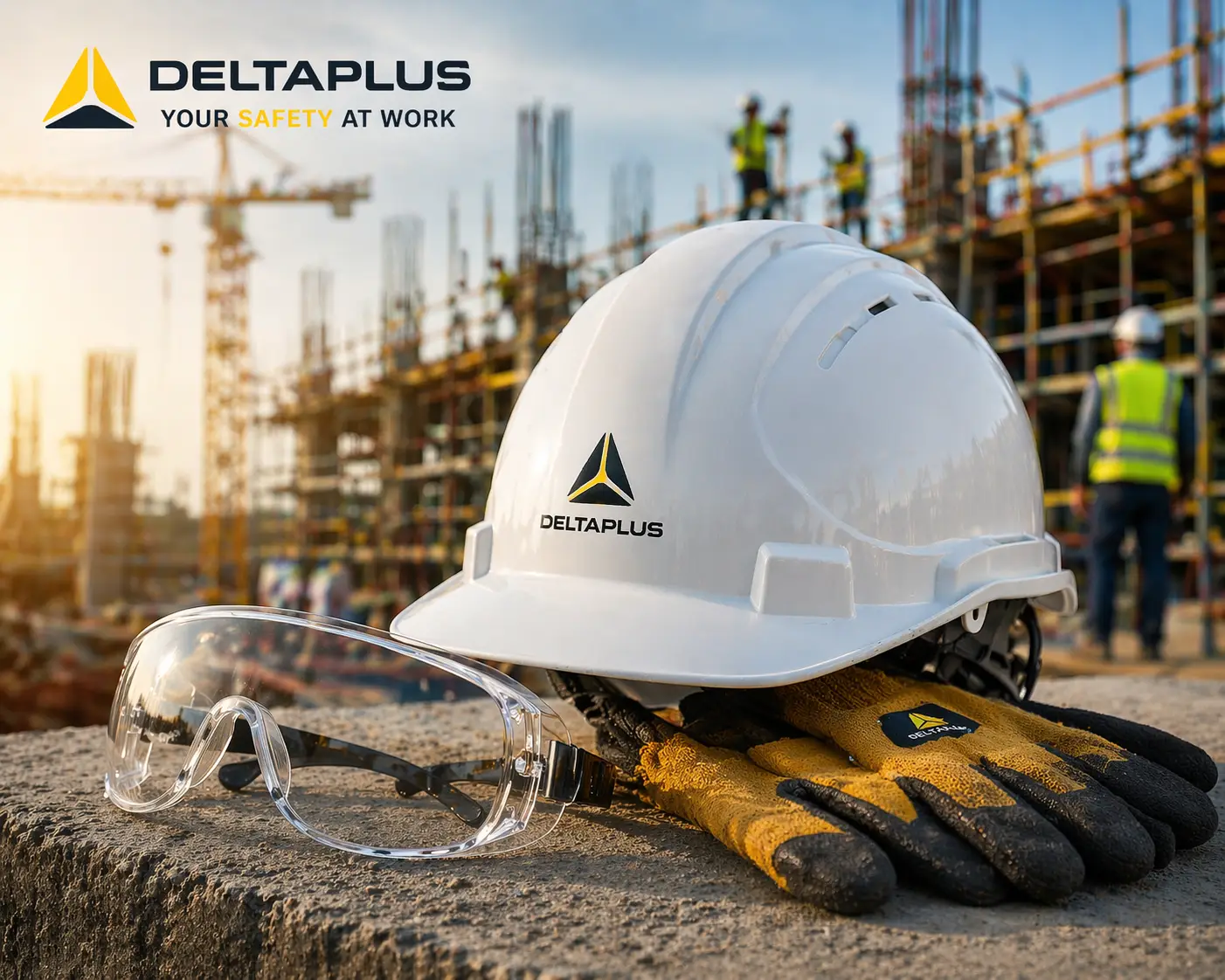
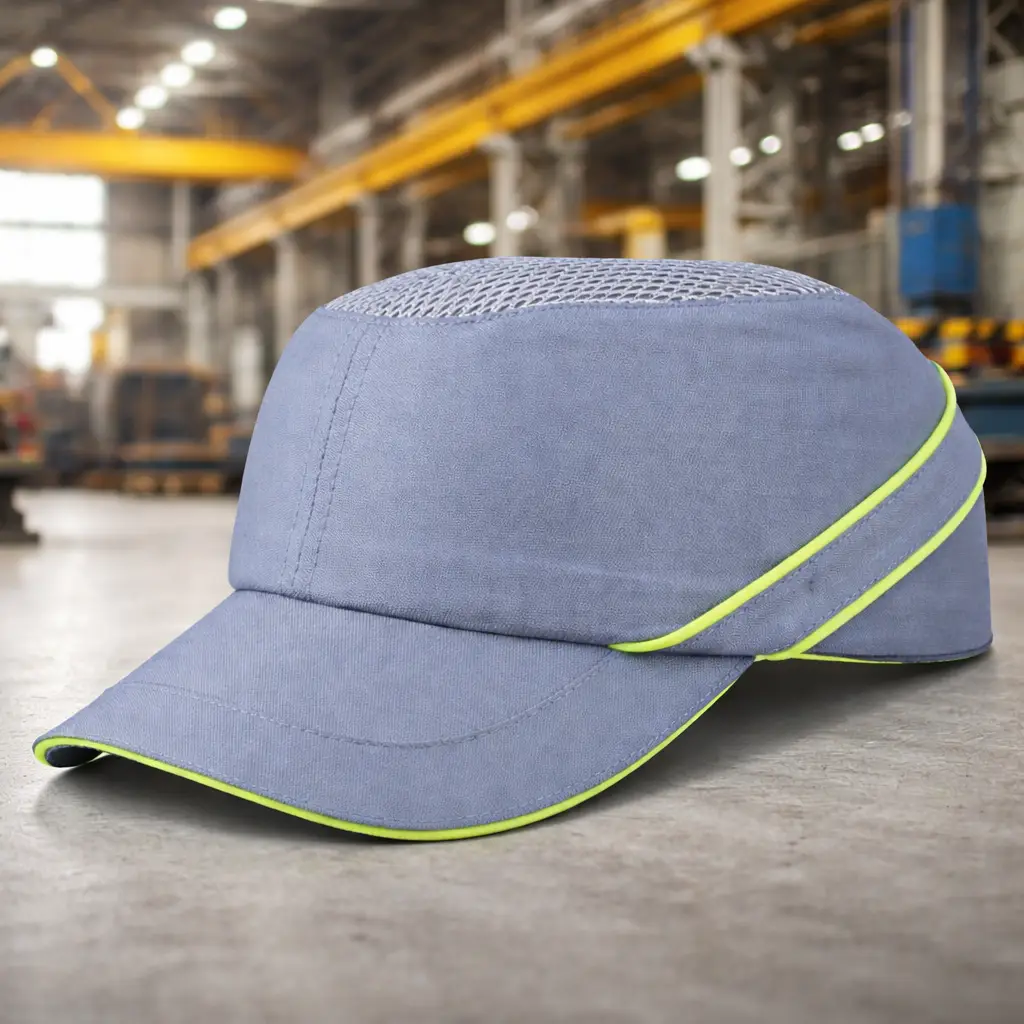
Head Protection (Safety Helmets)
- Check for cracks, dents, or discoloration
- Inspect suspension systems
- Replace helmets after impact or visible damage
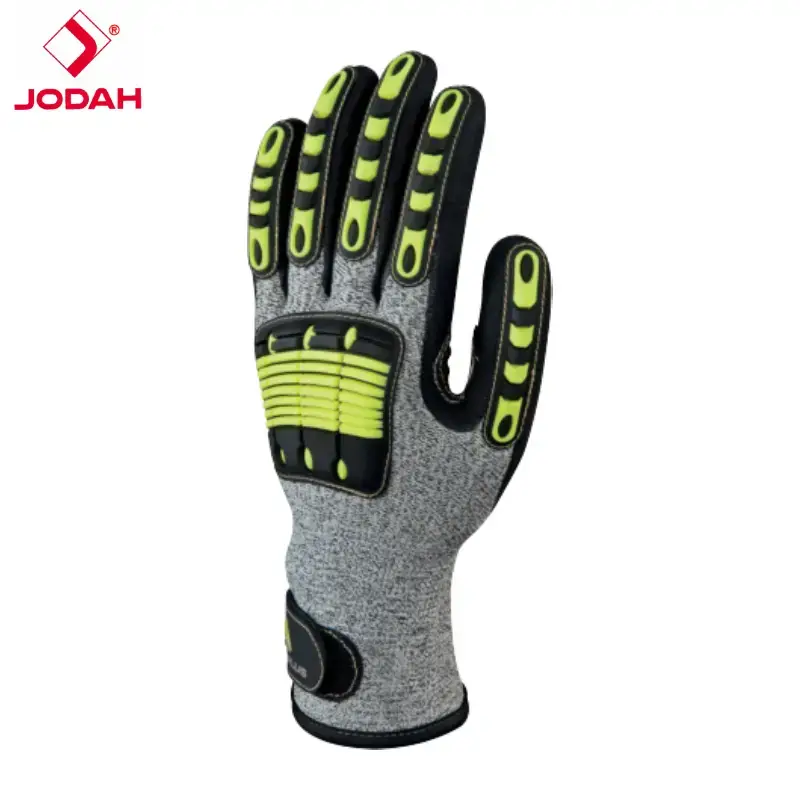
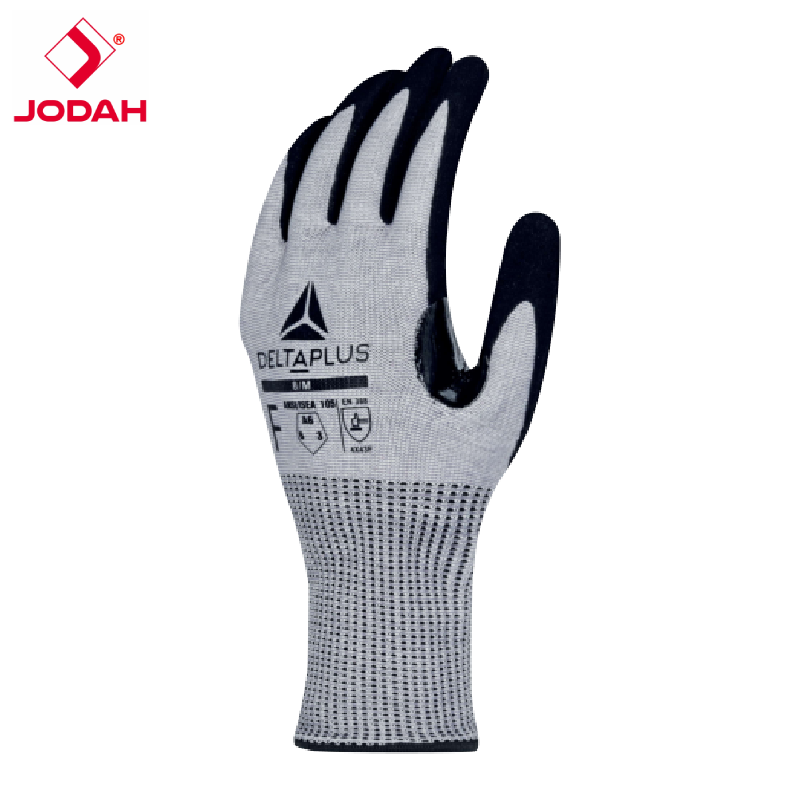
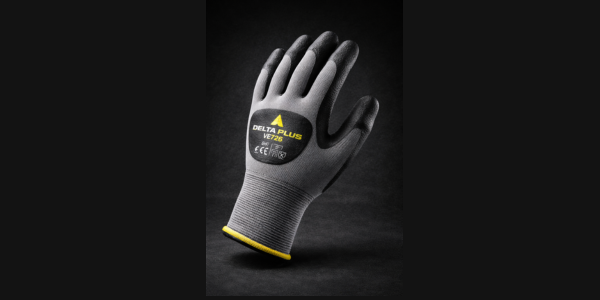
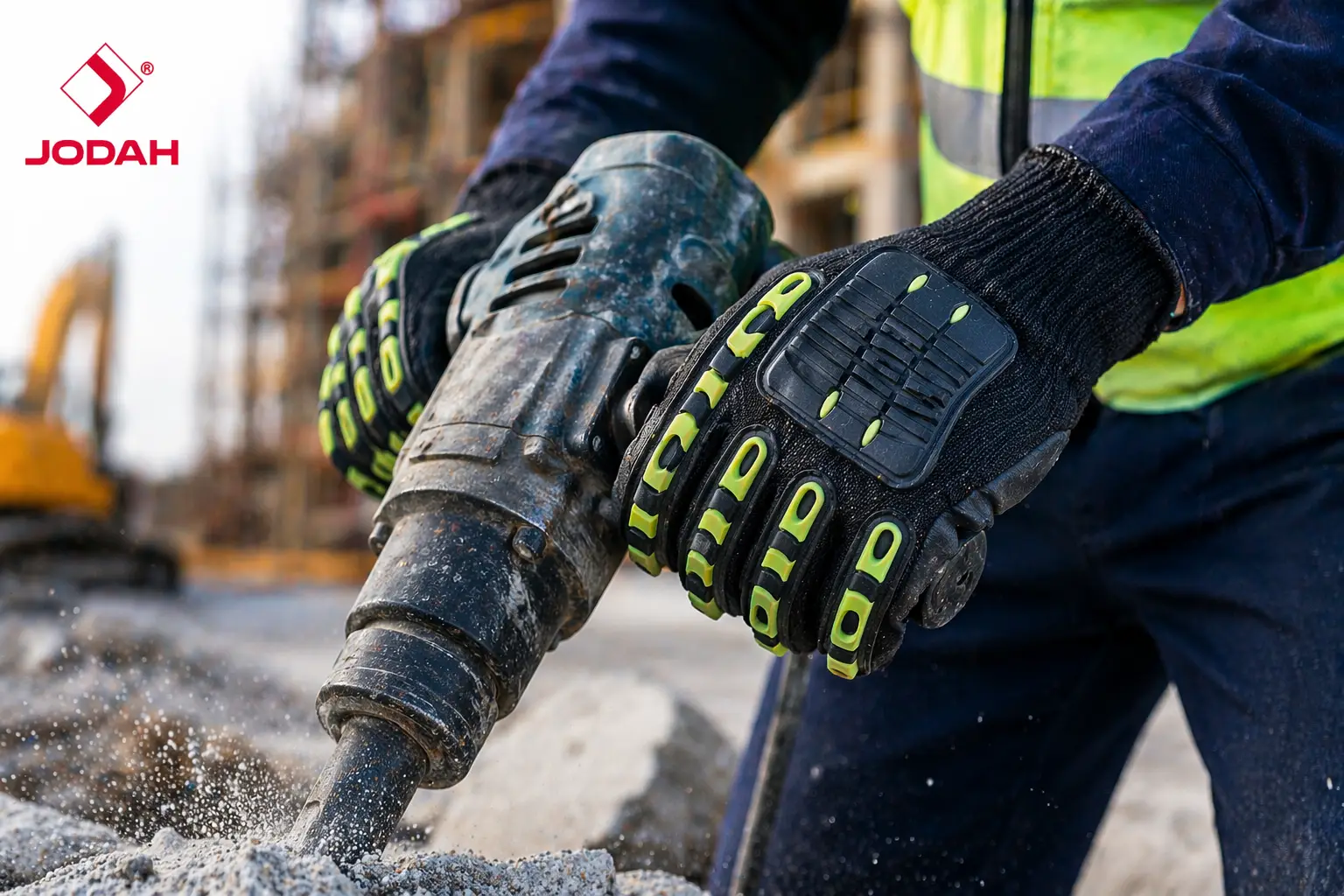
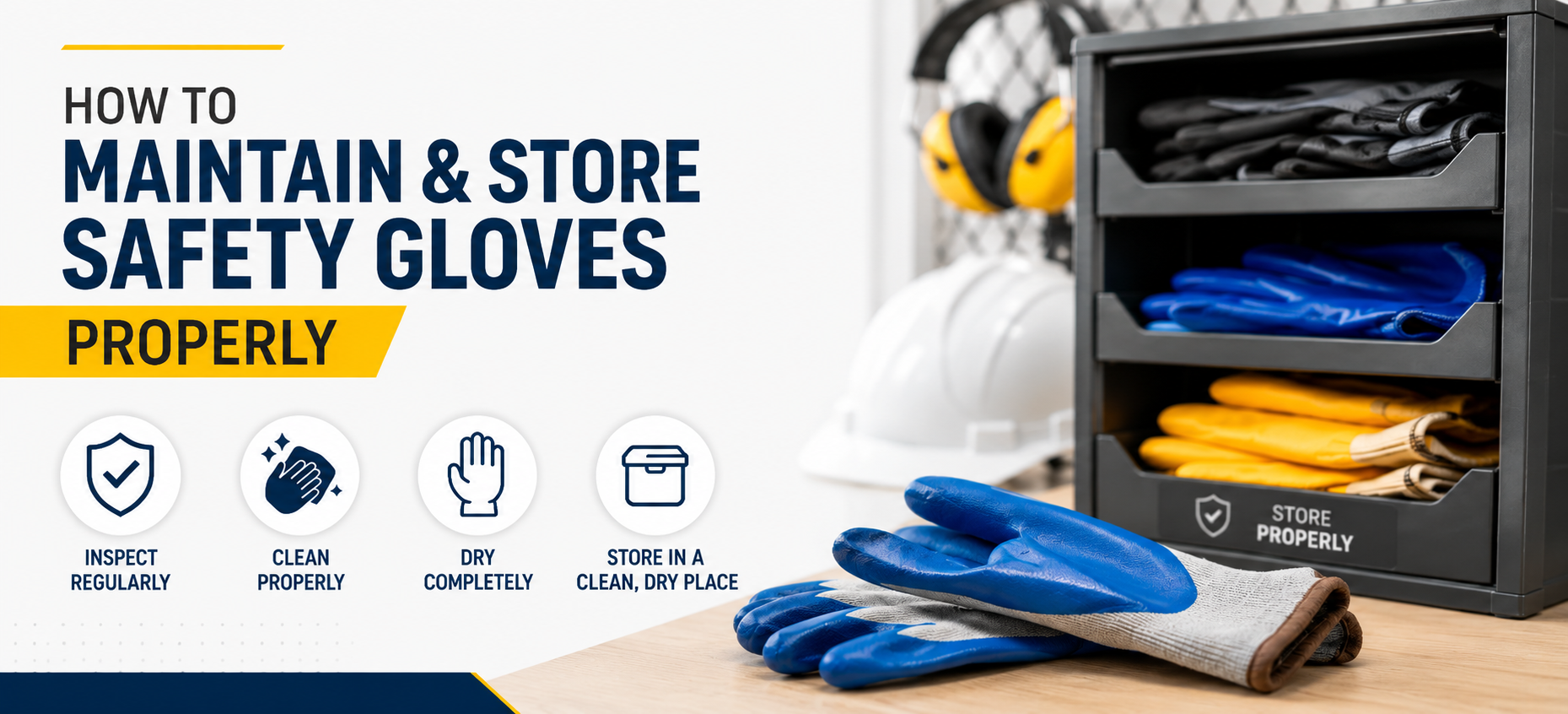
Hand Protection (Safety Gloves)
- Inspect for cuts, tears, or loss of grip
- Replace gloves showing wear or reduced protection
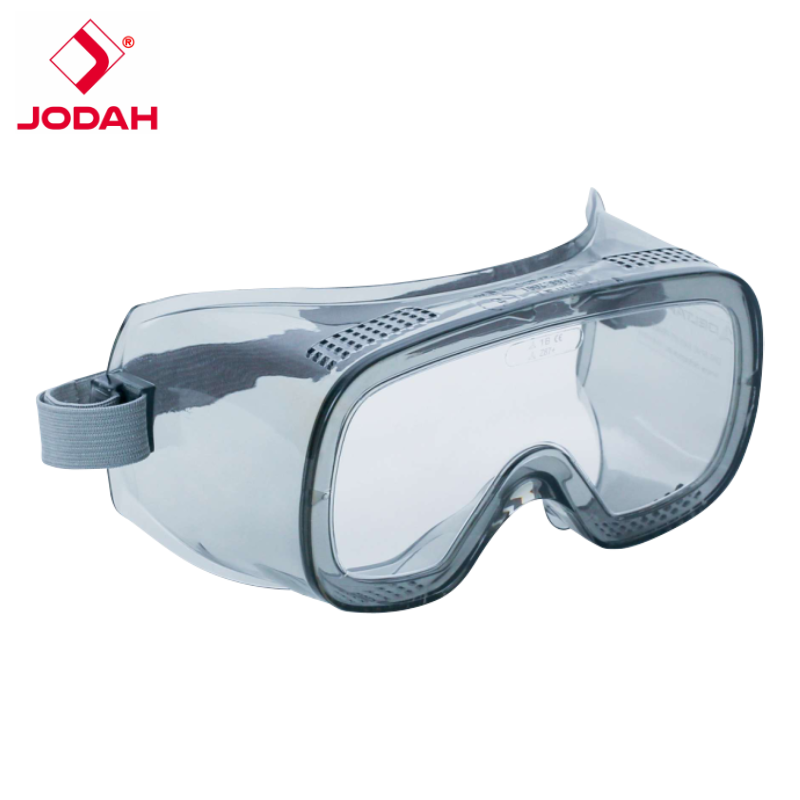
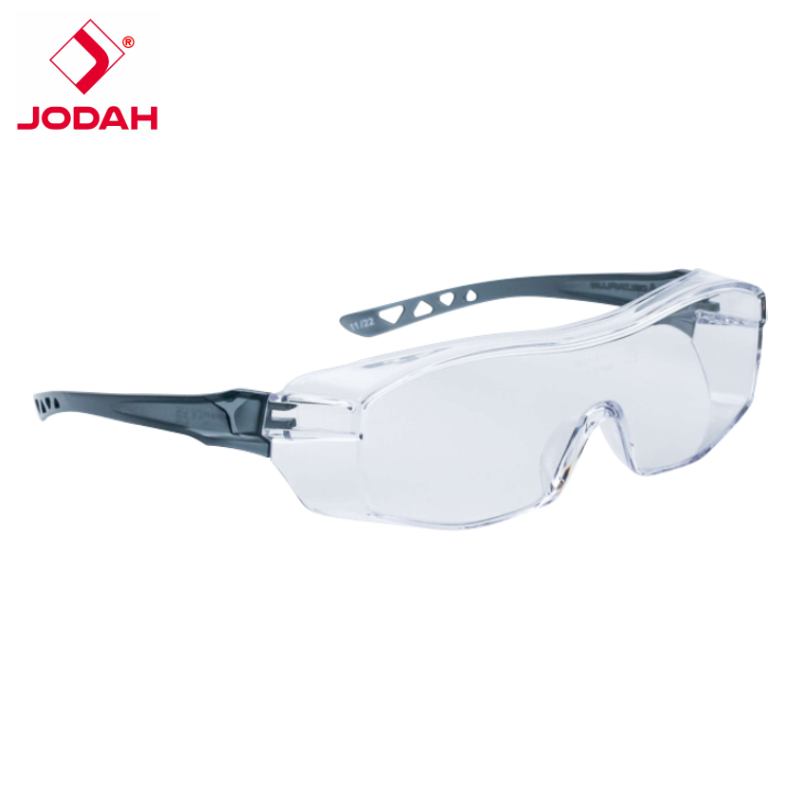
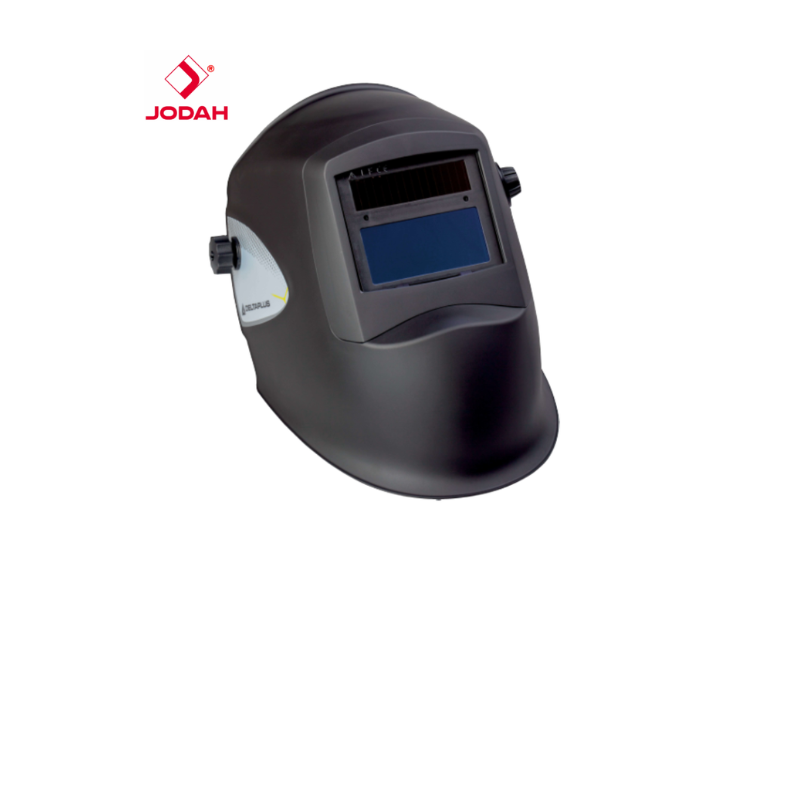
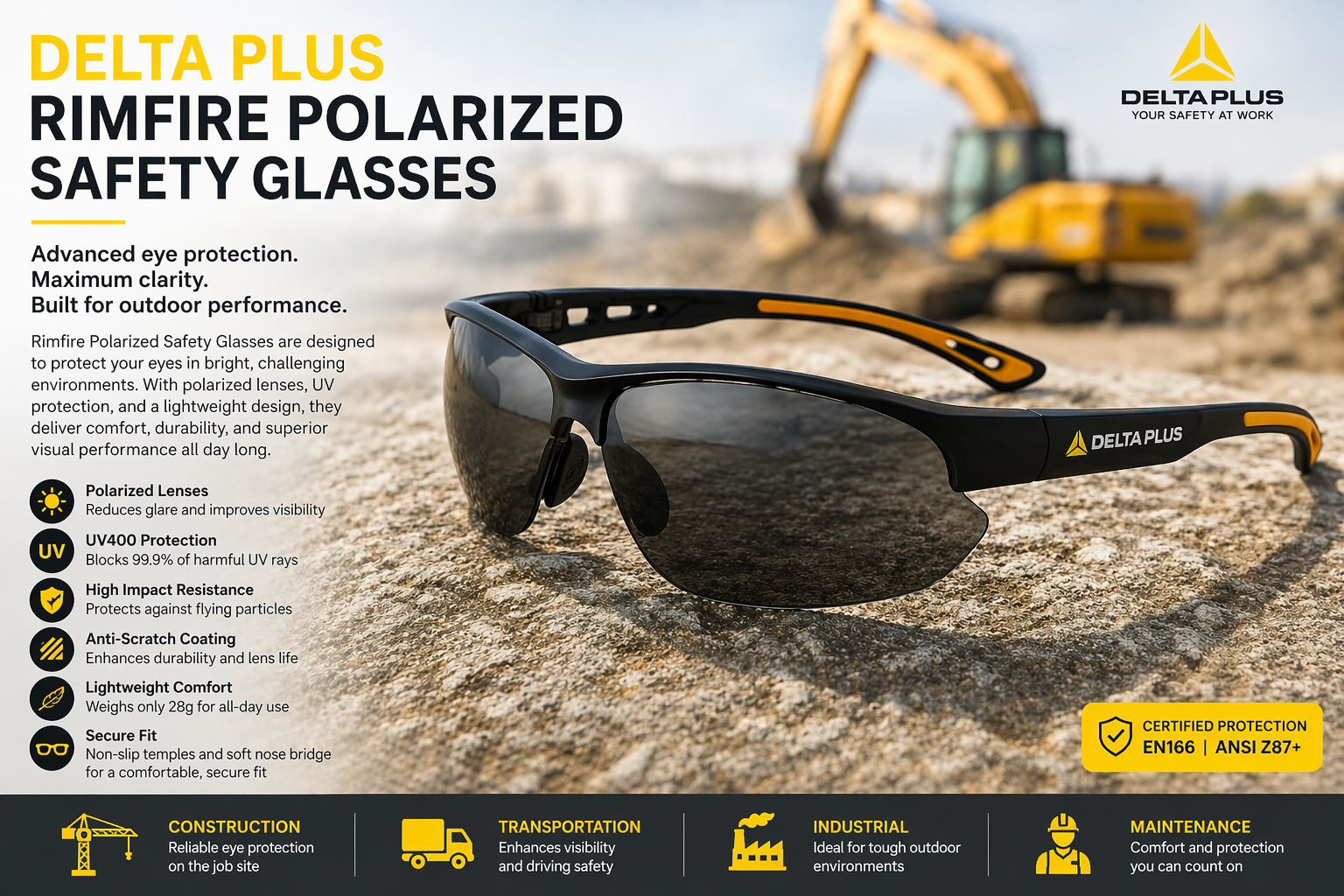
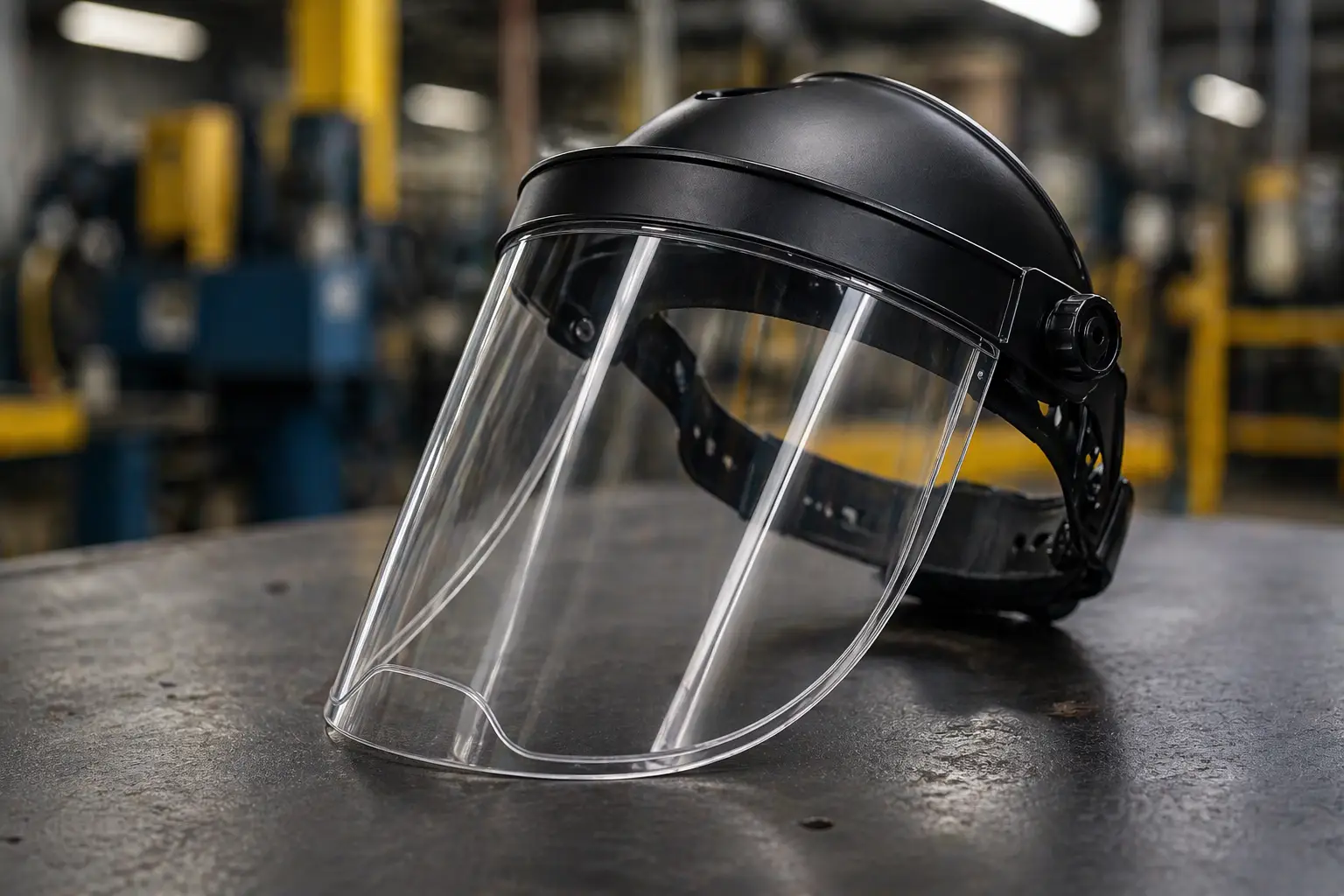
Eye & Face Protection
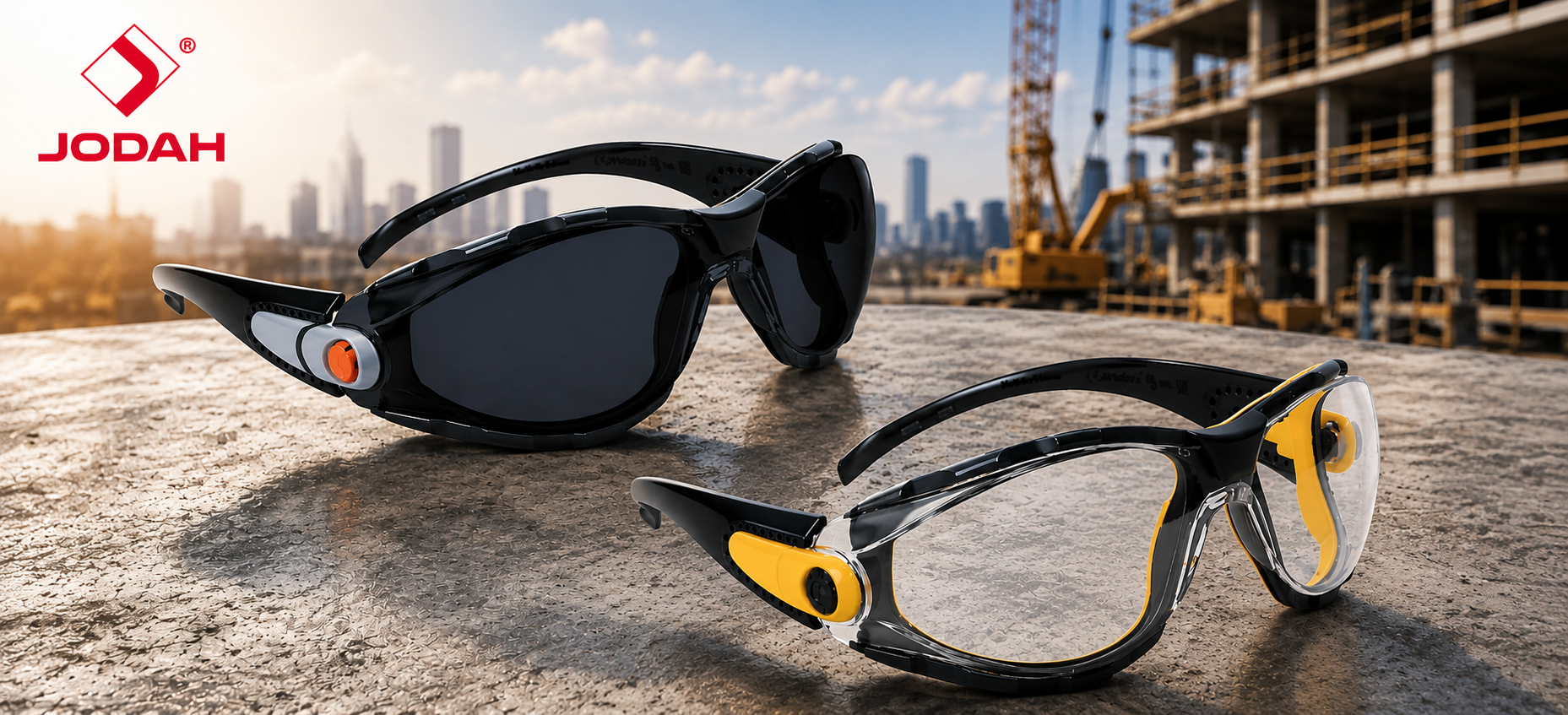
- Check lenses for scratches or cracks
- Ensure straps and frames fit securely
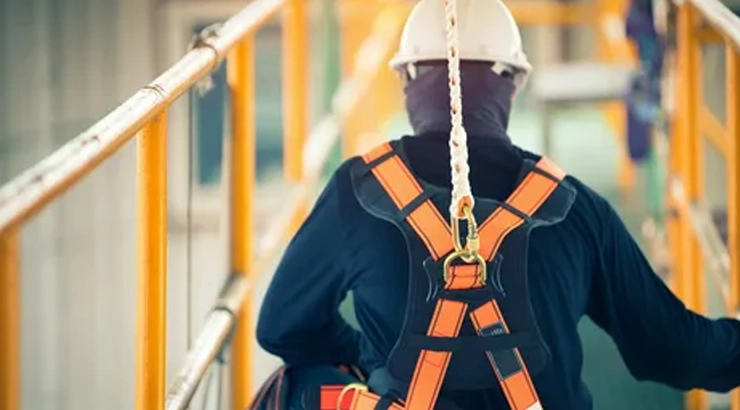
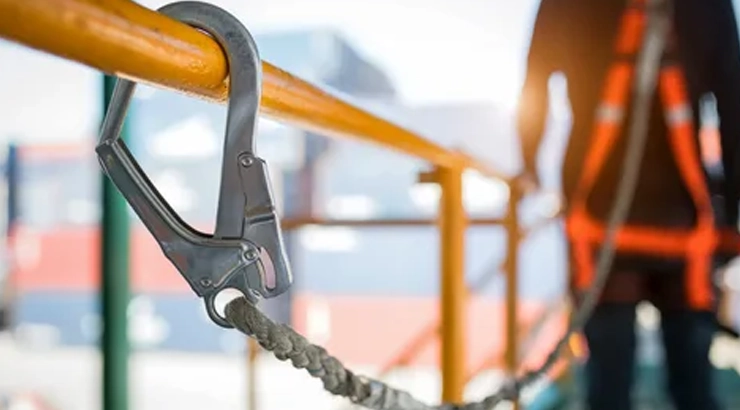
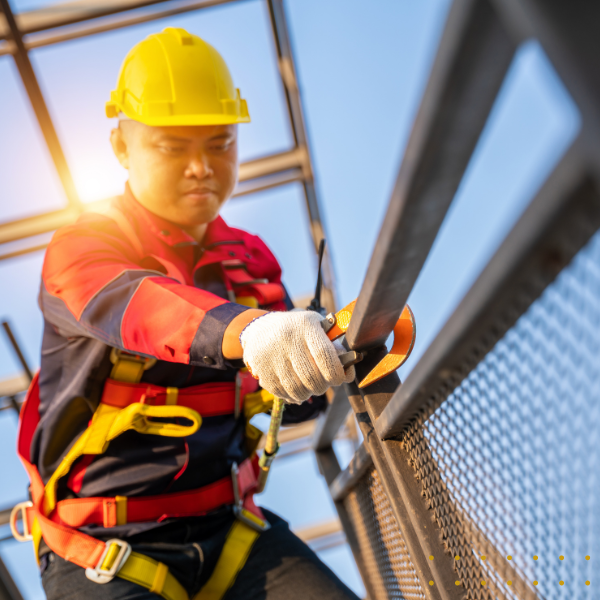
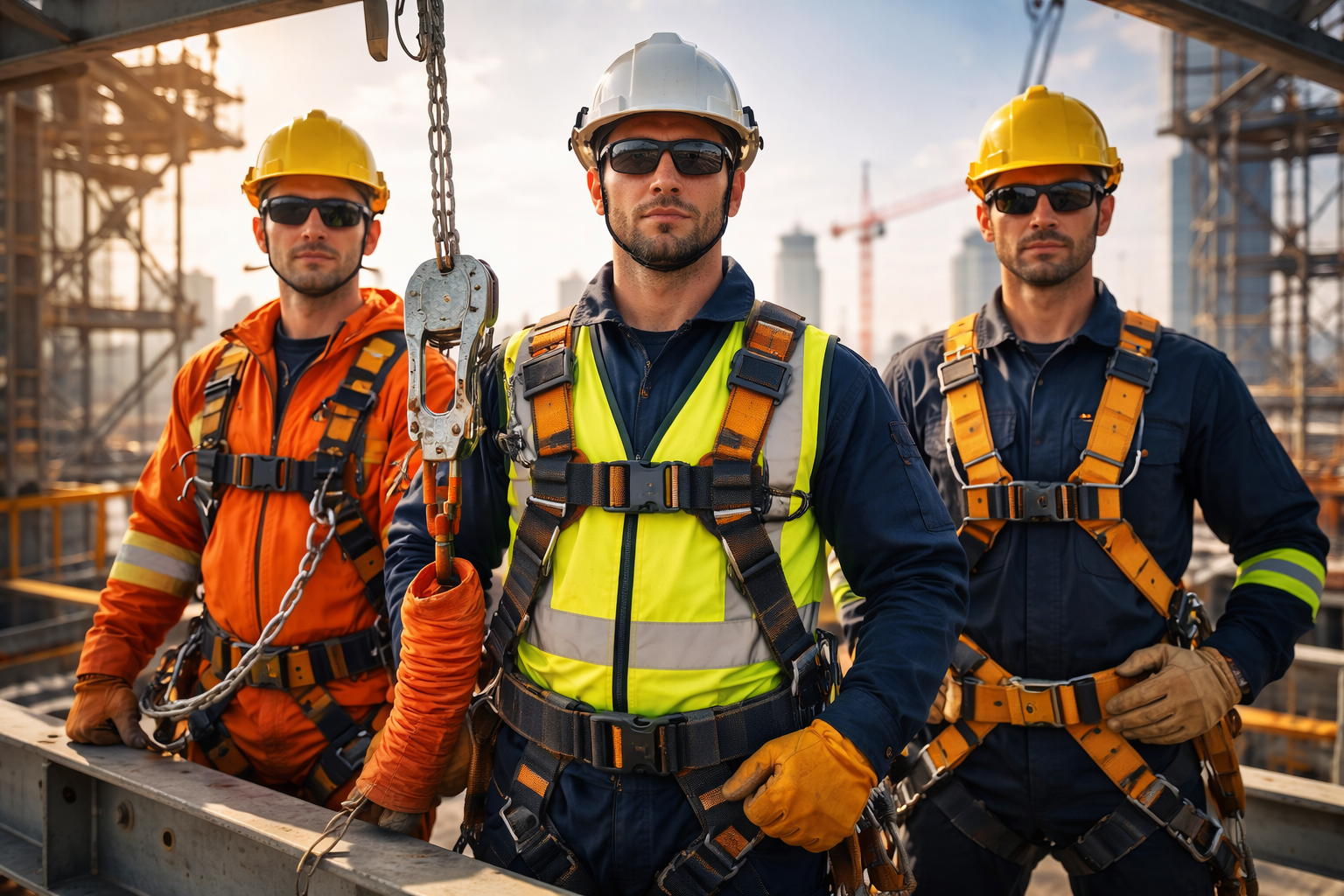
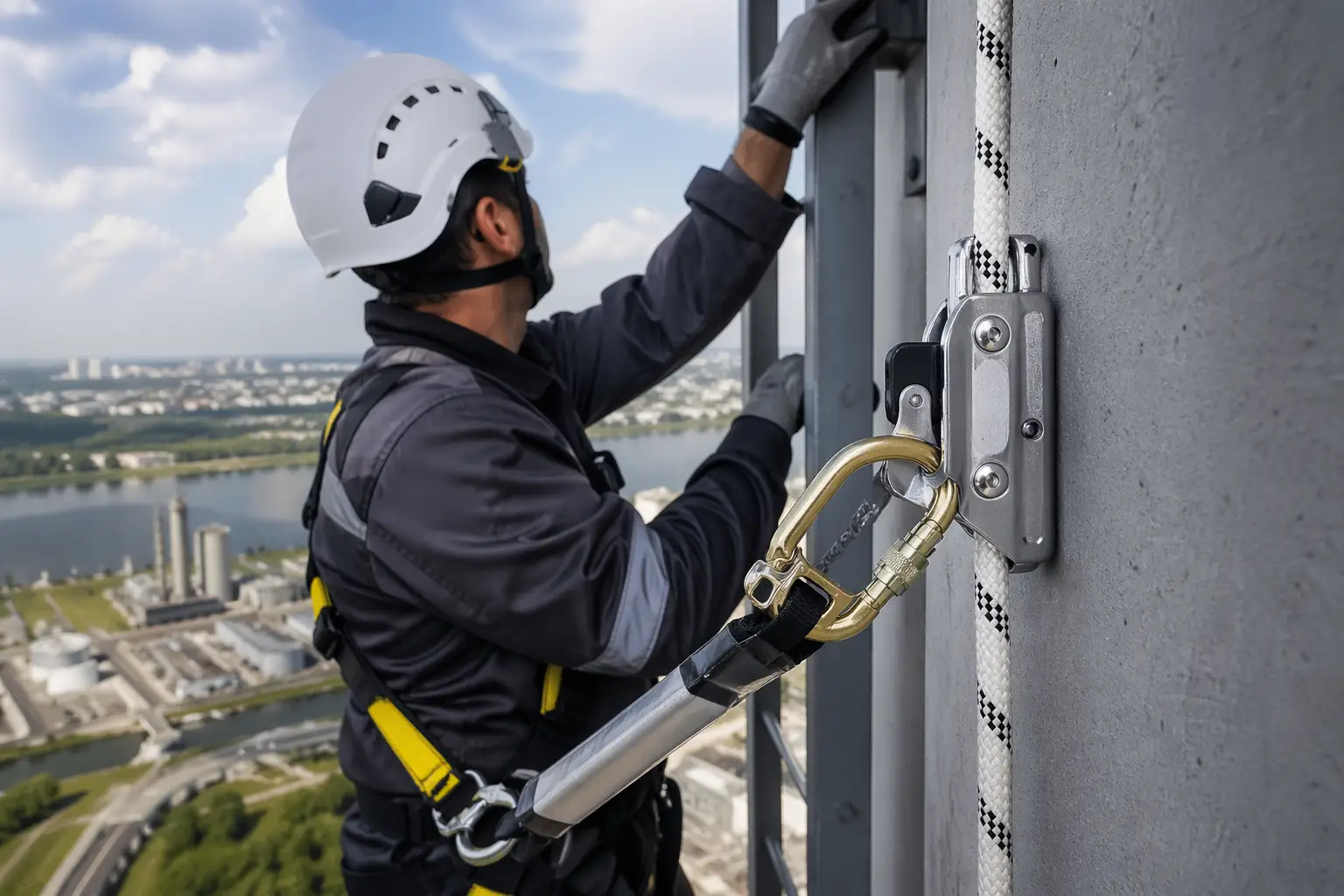
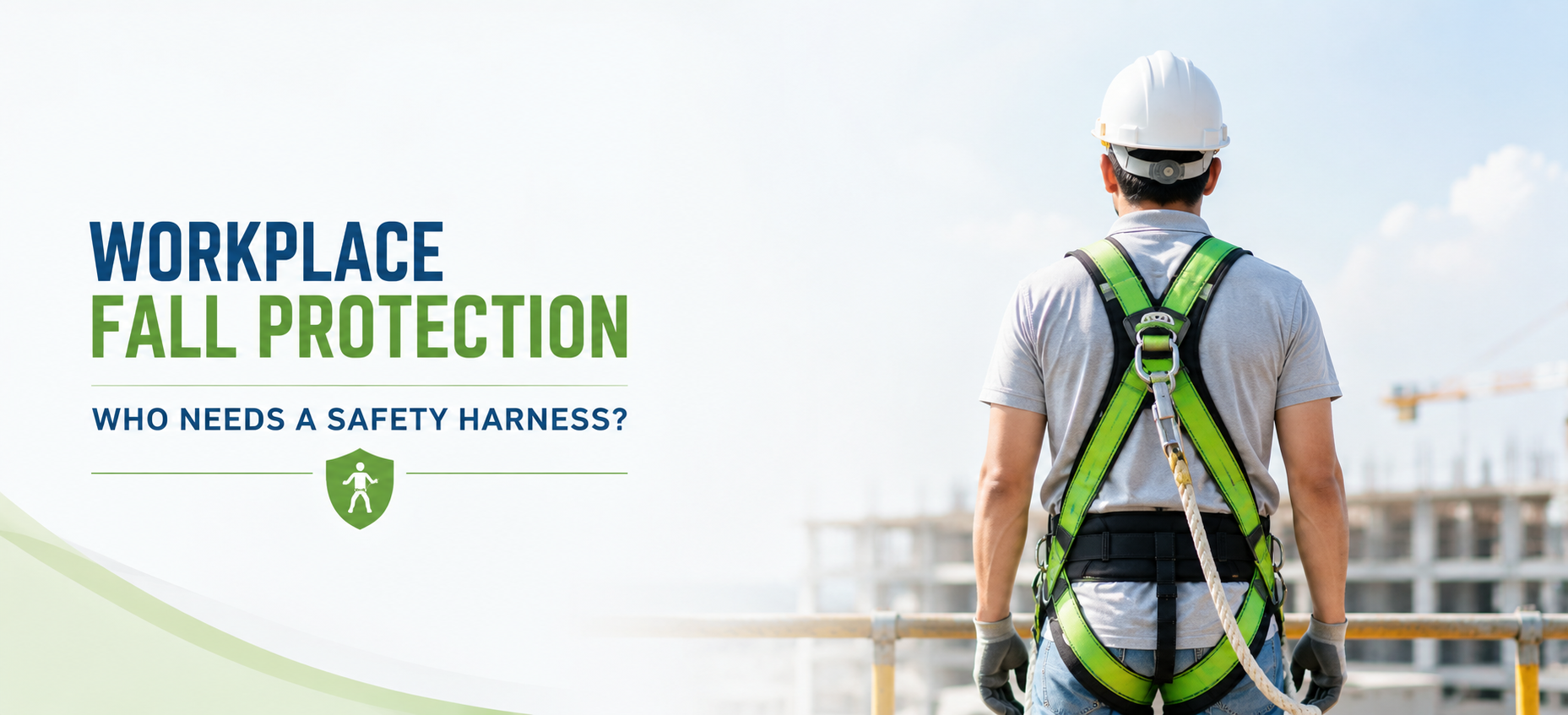
Fall Protection Equipment
- Inspect harness webbing, stitching, and connectors
- Remove damaged equipment from service immediately
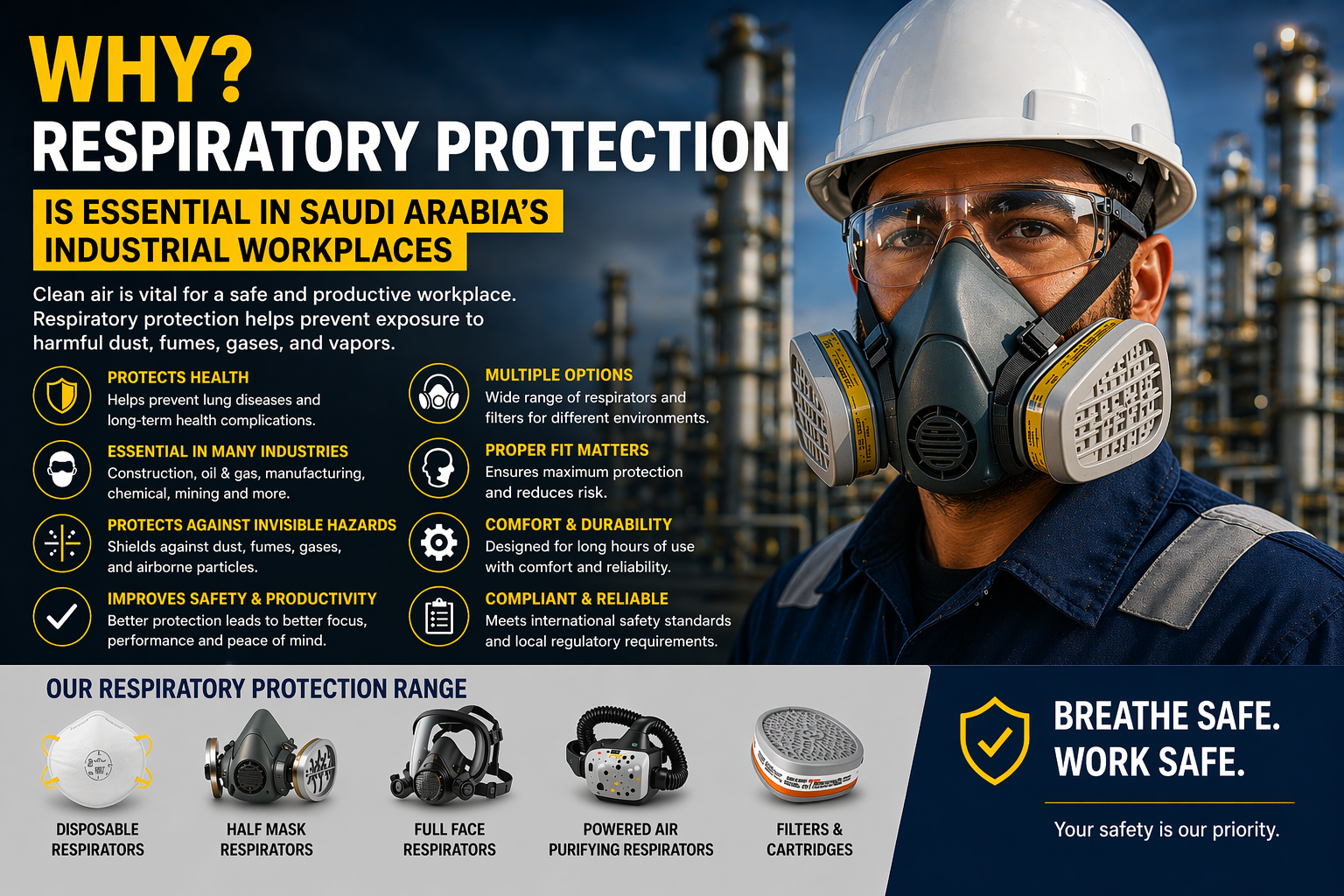
Respiratory Protection
- Inspect masks and filters before use
- Replace filters as per manufacturer recommendations
How Often Should PPE Be Inspected?
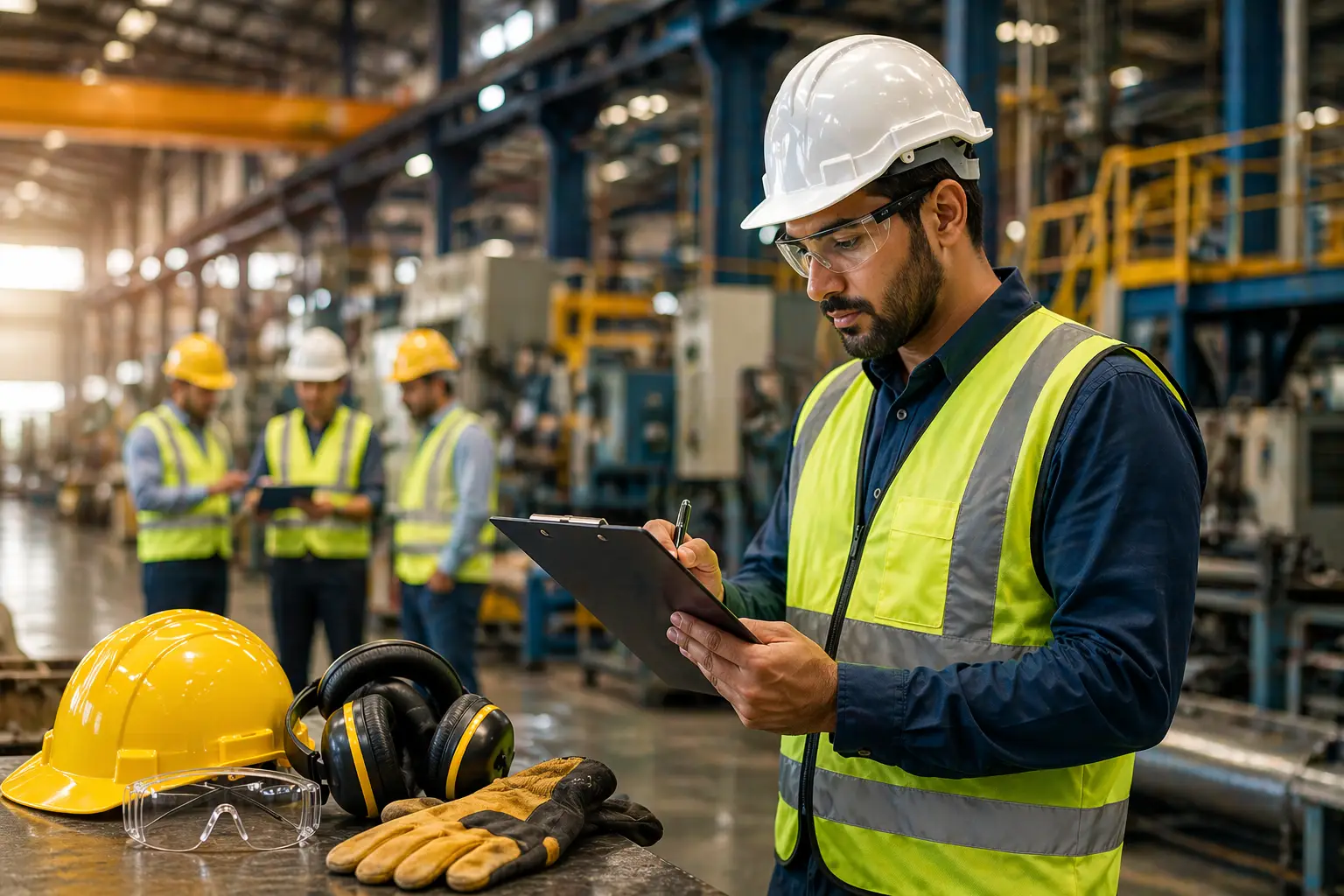
PPE inspection should follow a layered approach:
- Before each use: Quick visual and functional check by the user
- Periodic inspection: Scheduled checks by a safety officer
- After incidents: Immediate inspection following impact, fall, or chemical exposure
High risk environments may require more frequent inspections.
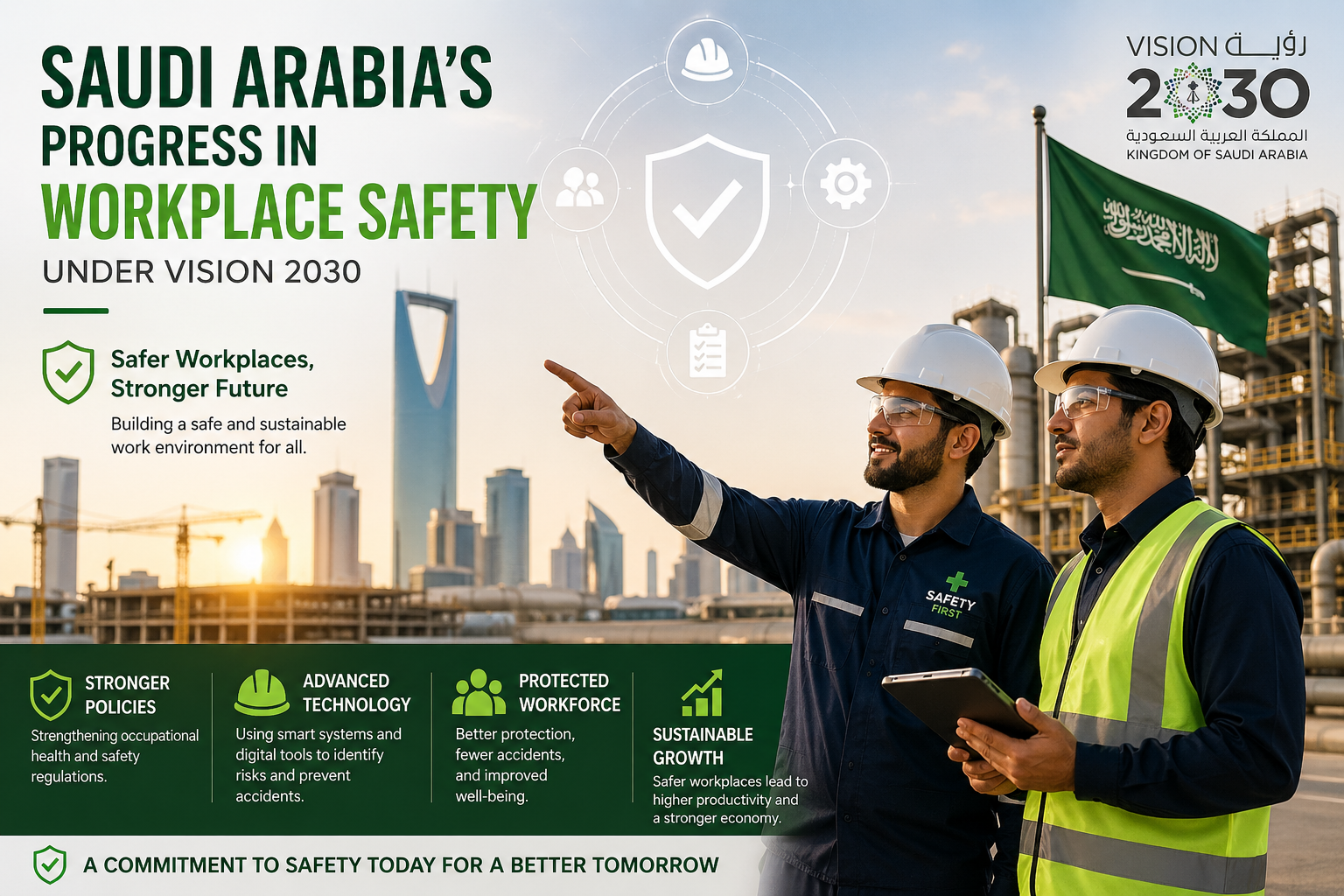
Importance of PPE Maintenance in Saudi Arabia
Saudi Arabia’s working conditions present unique challenges:
- High temperatures
- Dusty and sandy environments
- Heavy industrial and construction activity
These factors can accelerate PPE wear. Regular inspection is especially important to ensure PPE remains effective under harsh climatic conditions and complies with site safety expectations.
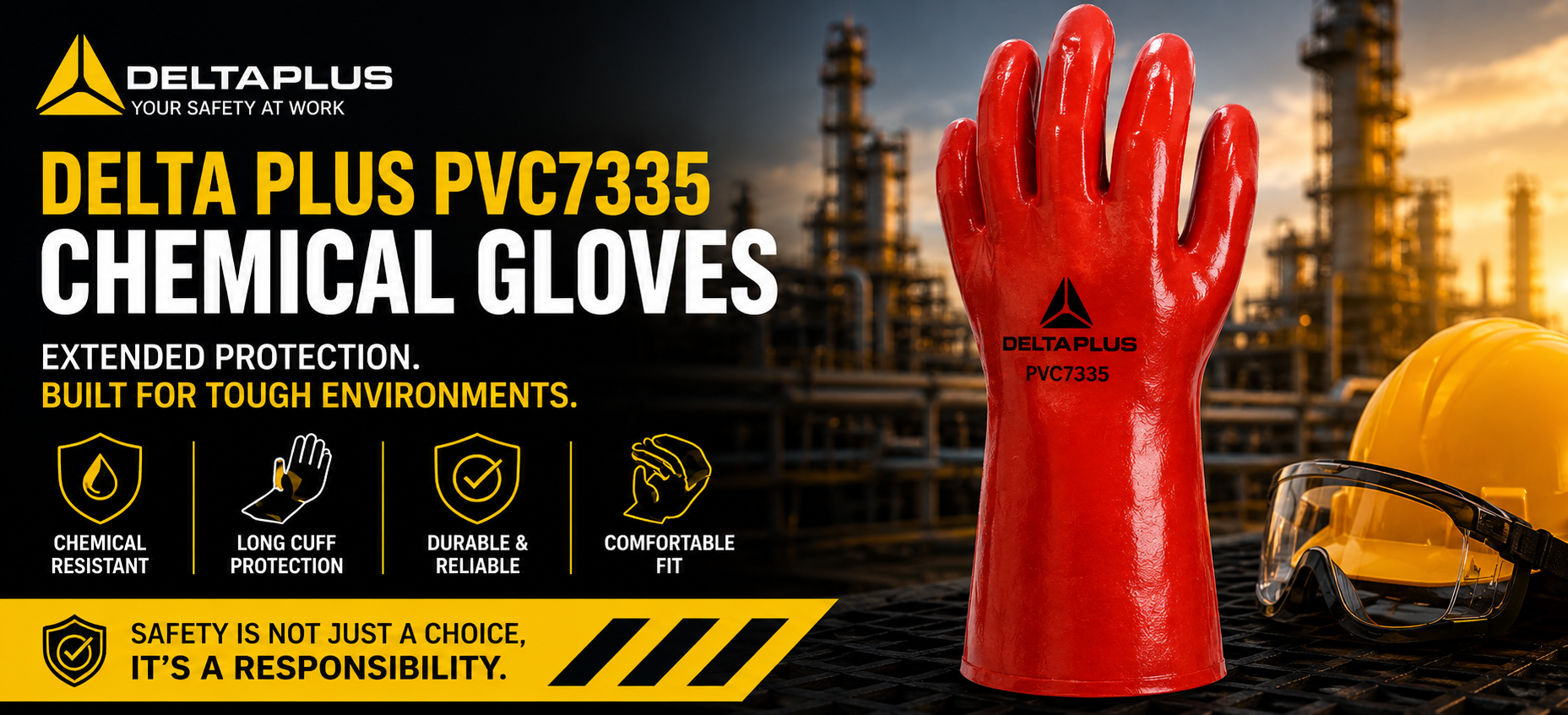
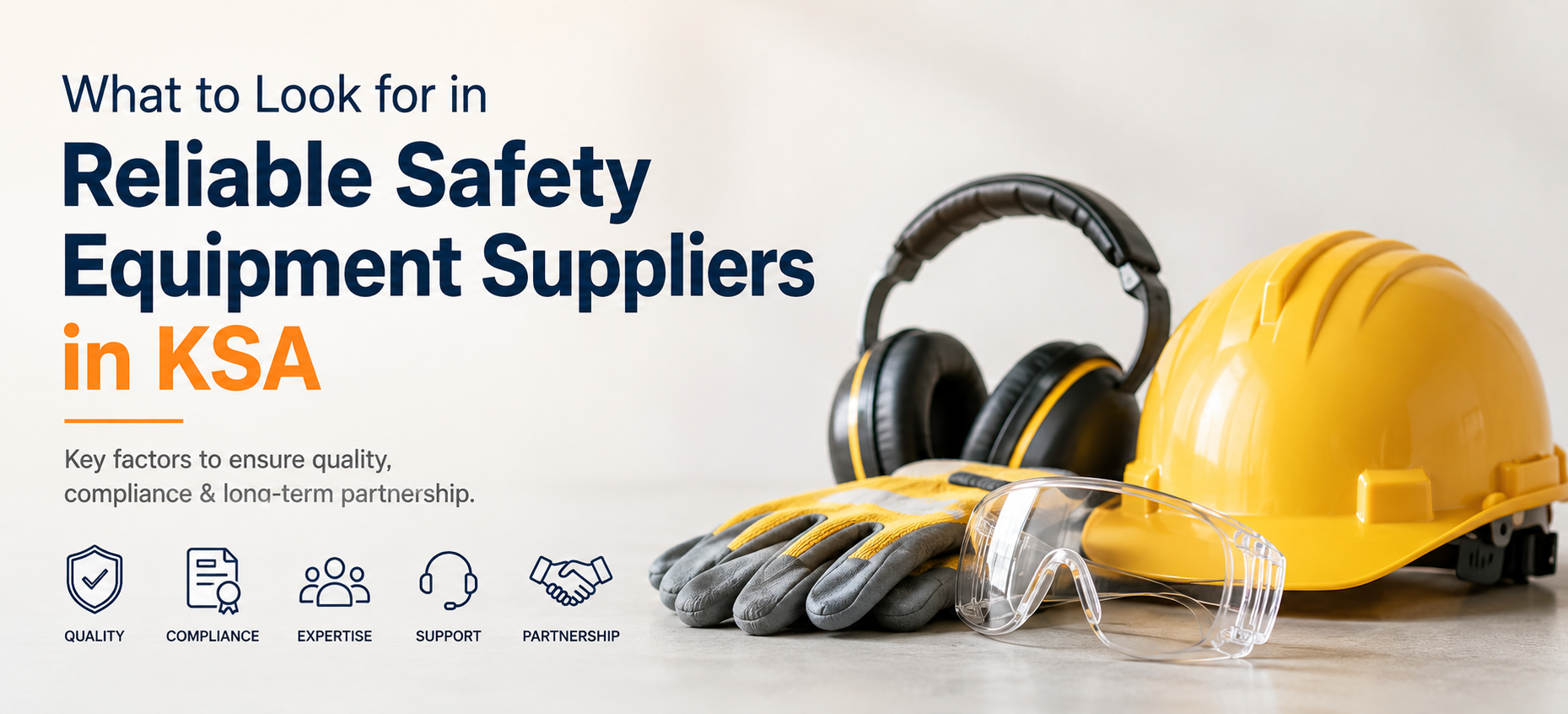
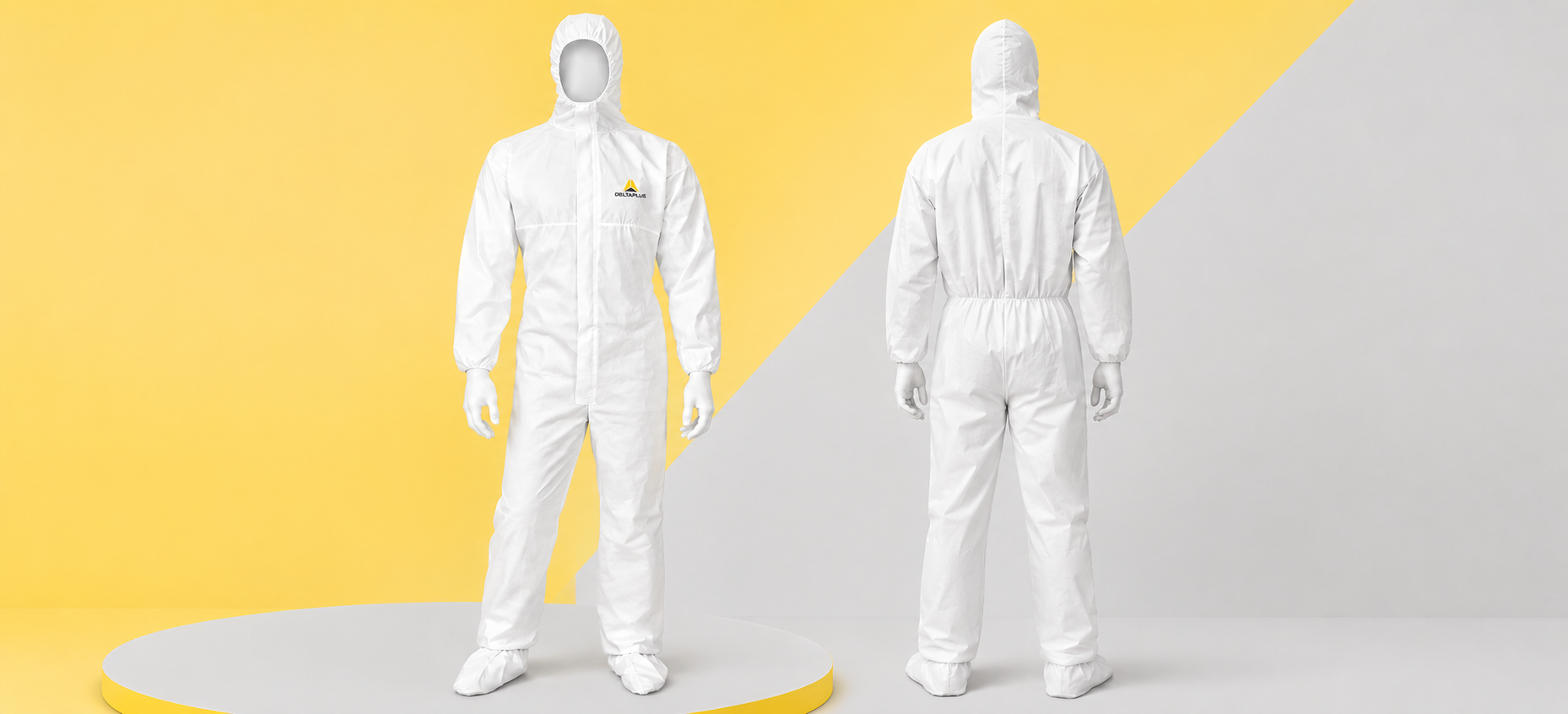
Using certified PPE from globally recognized manufacturers such as Delta Plus and maintaining it correctly helps ensure consistent performance and worker safety across projects.
Conclusion
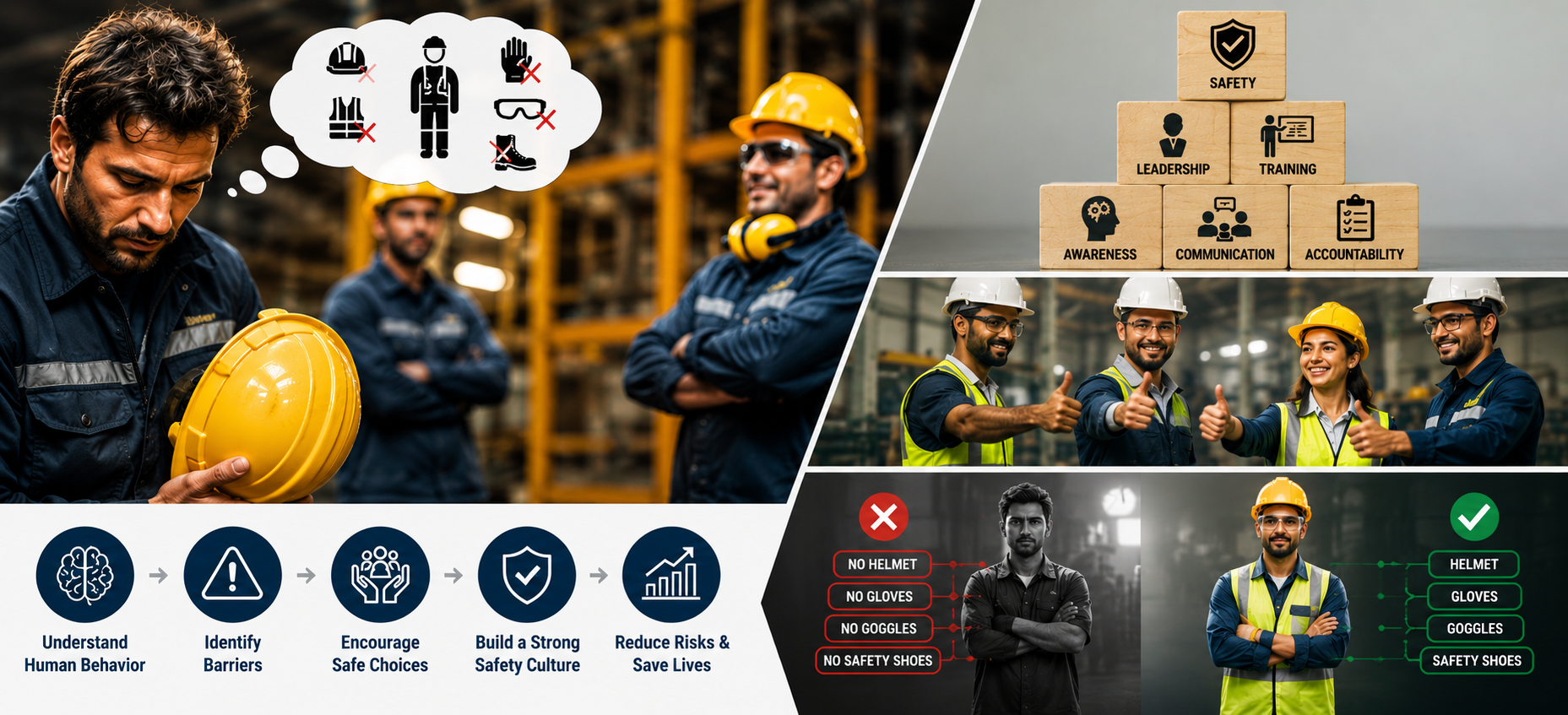
Maintaining and inspecting PPE is not optional it is a critical safety responsibility. Proper care ensures that PPE performs as intended, protects workers effectively, and supports safe, compliant work environments.
By following structured inspection routines, correct maintenance practices, and using certified equipment, organizations can significantly reduce workplace risks and enhance long term safety outcomes. Reliable PPE maintenance is a key element of professional safety management and operational excellence.