What to Look for in Reliable Safety Equipment Suppliers in KSA
- Posted by: Hadiya
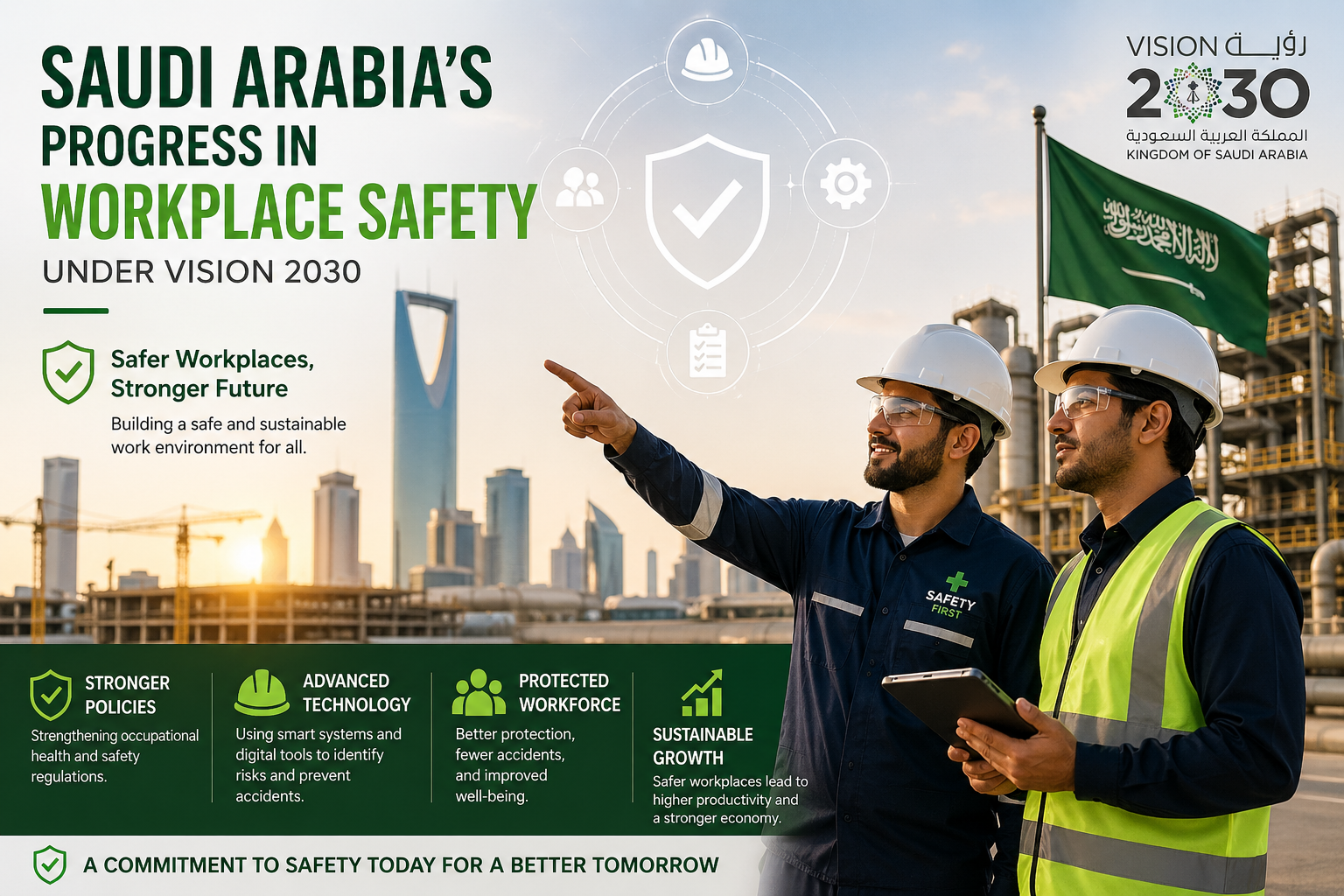
Saudi Arabia’s industrial landscape is expanding at an unprecedented pace. Mega construction projects, oil and gas operations, logistics hubs, manufacturing zones, and infrastructure developments under Vision 2030 have significantly increased the demand for high quality safety equipment. In this environment, workplace safety is no longer viewed as a checkbox for compliance it is a core operational responsibility.
As safety expectations rise, selecting a reliable safety equipment supplier in the Kingdom of Saudi Arabia becomes a strategic decision. The right supplier supports not only regulatory compliance, but also worker well being, productivity, and long term operational stability.
So, what truly defines a dependable safety equipment supplier in KSA? Let’s explore the key factors.
Alignment with Saudi Safety Regulations and Standards
In Saudi Arabia, safety equipment must comply with national technical regulations governed by Saudi Standards, Metrology and Quality Organization (SASO). Products entering the market are expected to meet defined conformity requirements, often supported by internationally recognized standards such as EN, ANSI, or ISO.
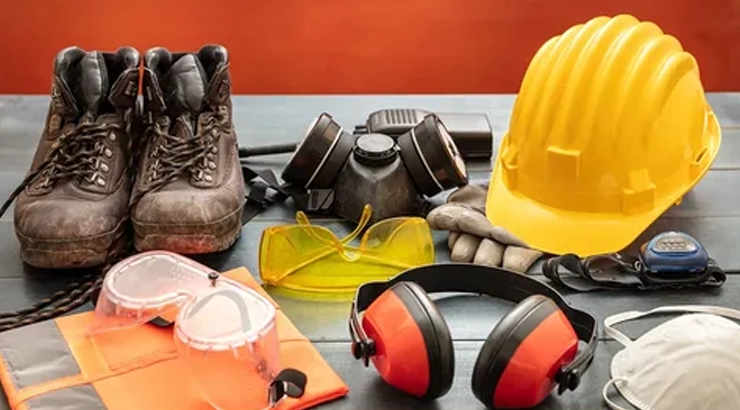
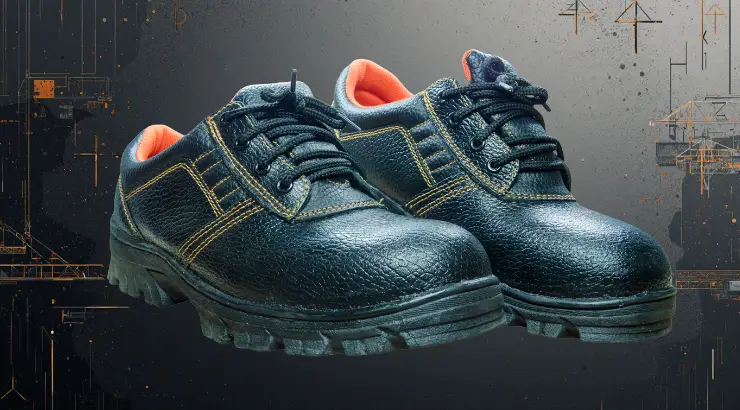
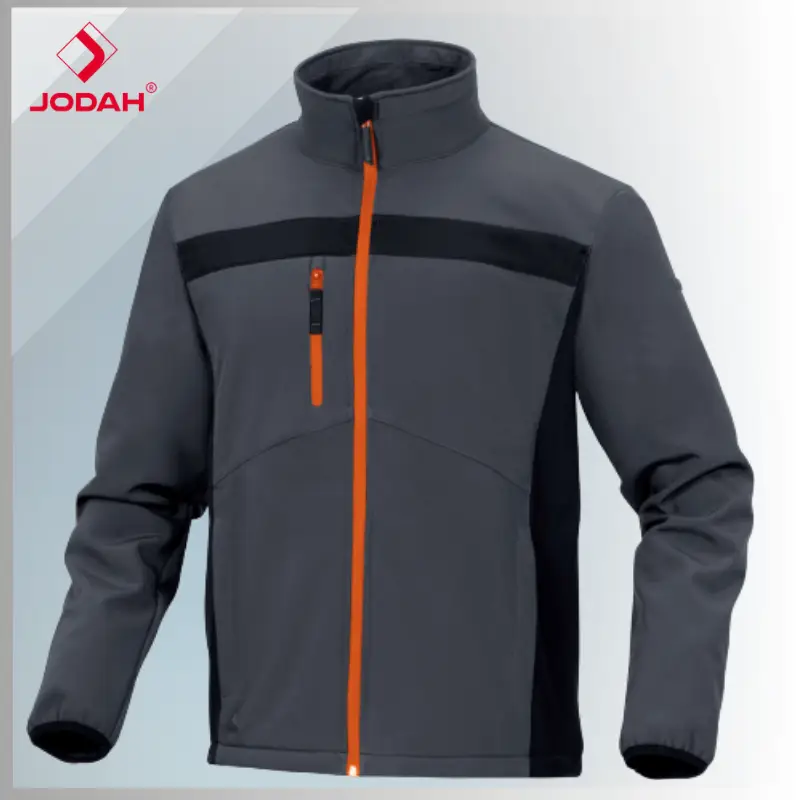
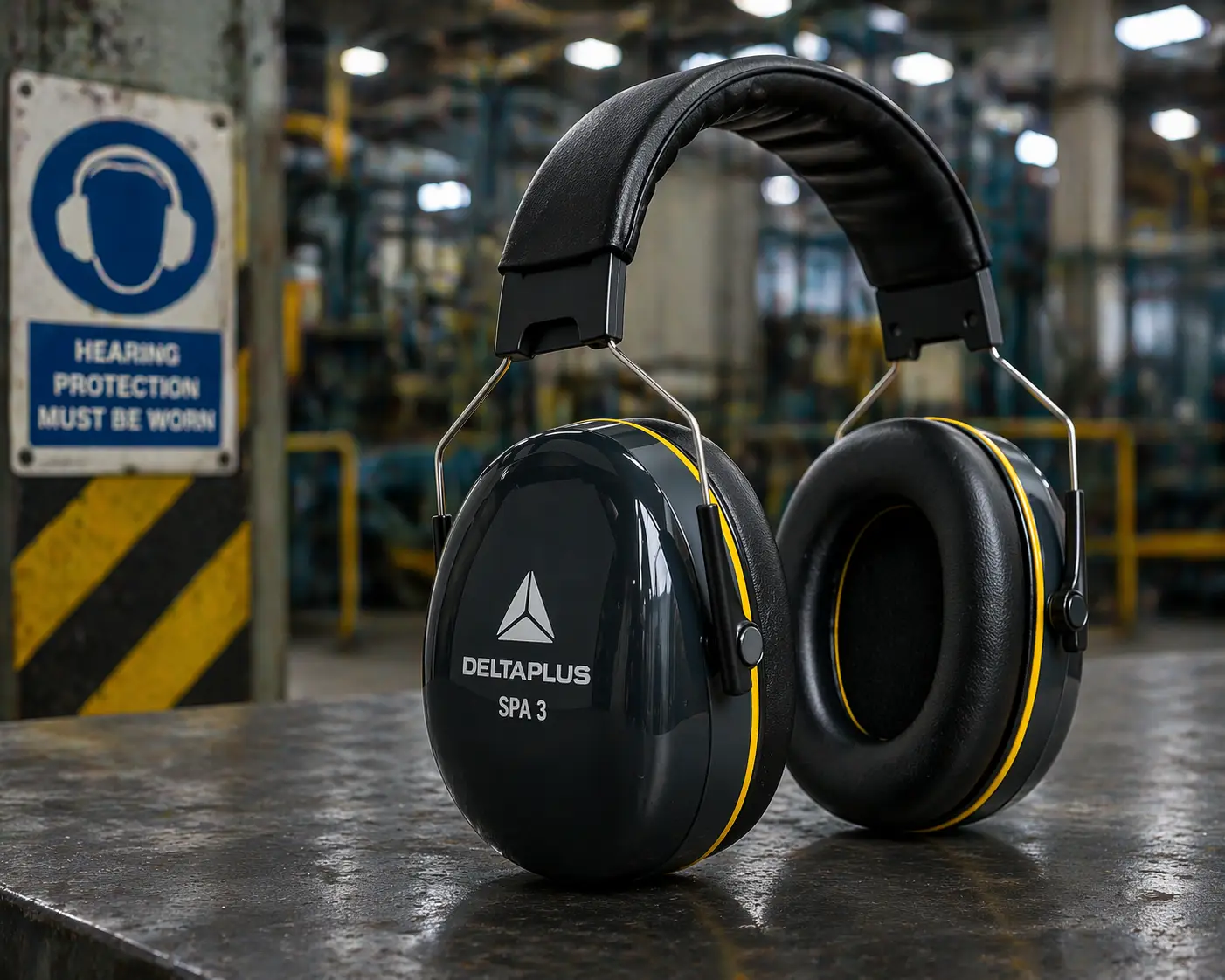
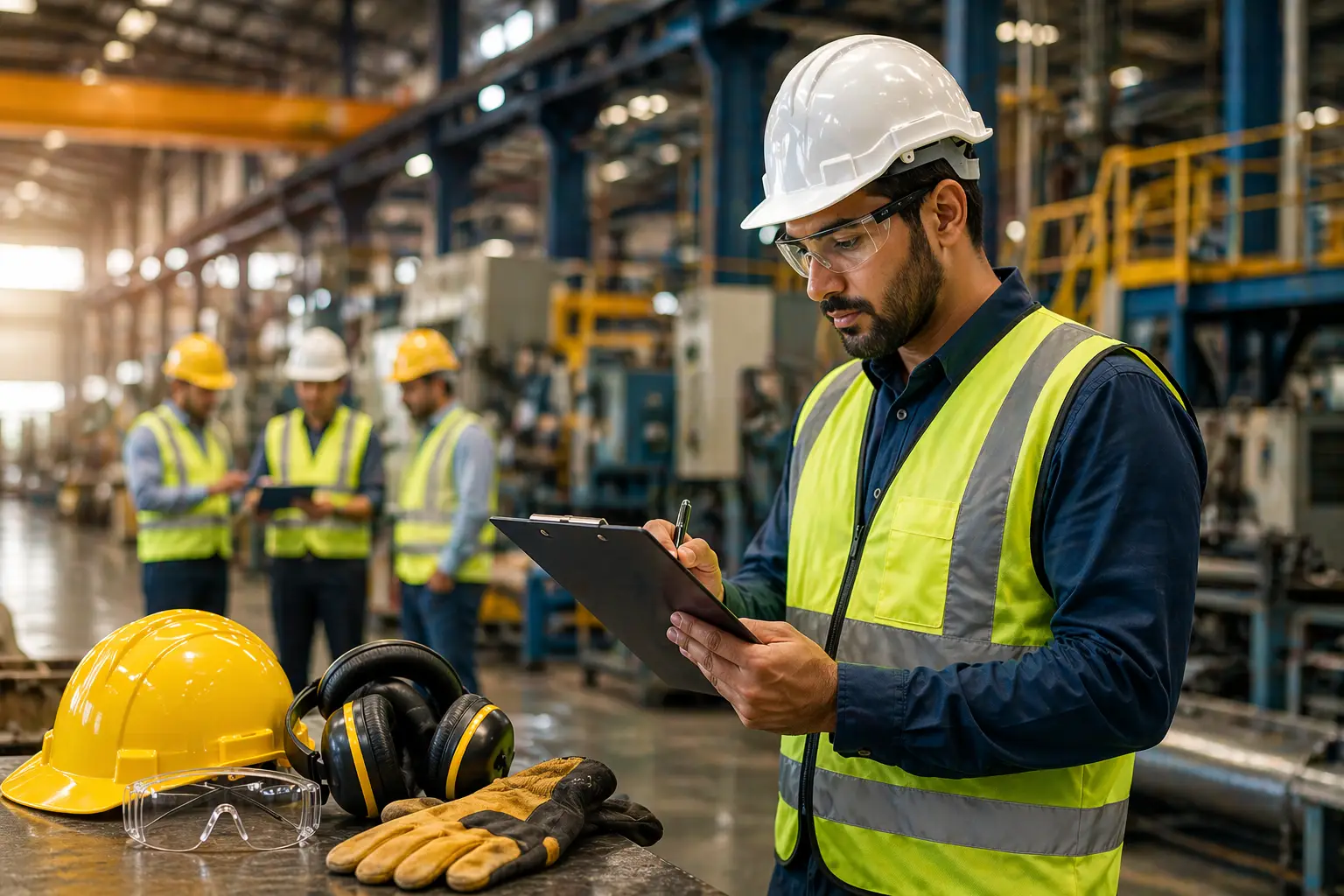
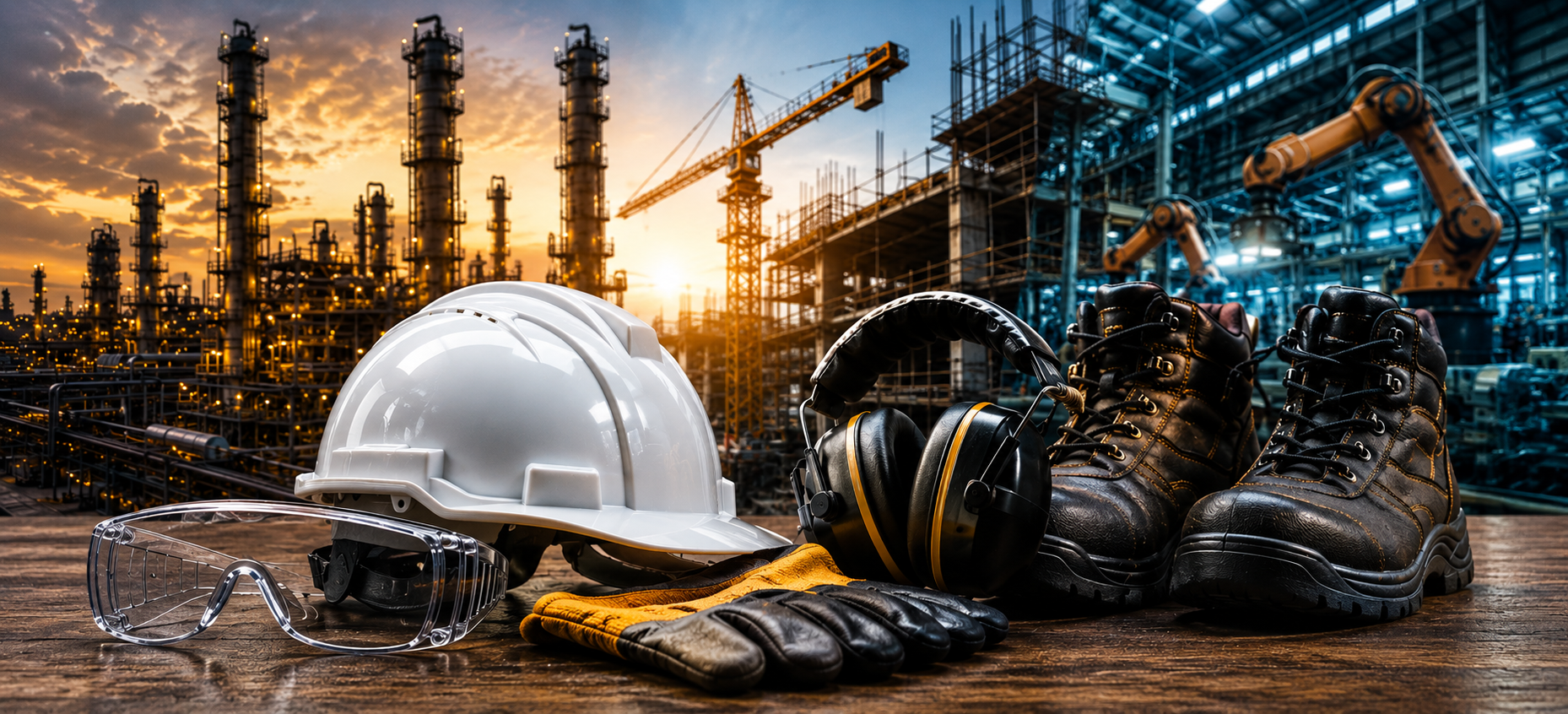
A trustworthy supplier will be transparent about certifications and conformity documents, ensuring that PPE, fall protection systems, safety footwear, gloves, and protective clothing are suitable for use in regulated Saudi workplaces. This is particularly important for companies operating in government projects, oil and gas facilities, and large construction contracts, where inspections and audits are routine.
Understanding of Local Working Conditions in Saudi Arabia
Saudi Arabia presents unique environmental challenges that directly affect safety equipment performance. Extreme heat, high UV exposure, dust, sand, and long outdoor working hours are everyday realities across many sites.
Reliable suppliers understand these conditions and recommend products that are designed for:
- Heat resistance and breathability
- Durability in dusty and sandy environments
- Comfort for extended wear during long shifts
Safety equipment that performs well in moderate climates may not be suitable for Saudi worksites. Local knowledge makes a real difference in selecting the right solutions.
Industry Specific Safety Solutions
Safety requirements vary widely across industries in KSA. A professional supplier does not offer generic PPE for all applications, but instead provides industry specific guidance.
For example:
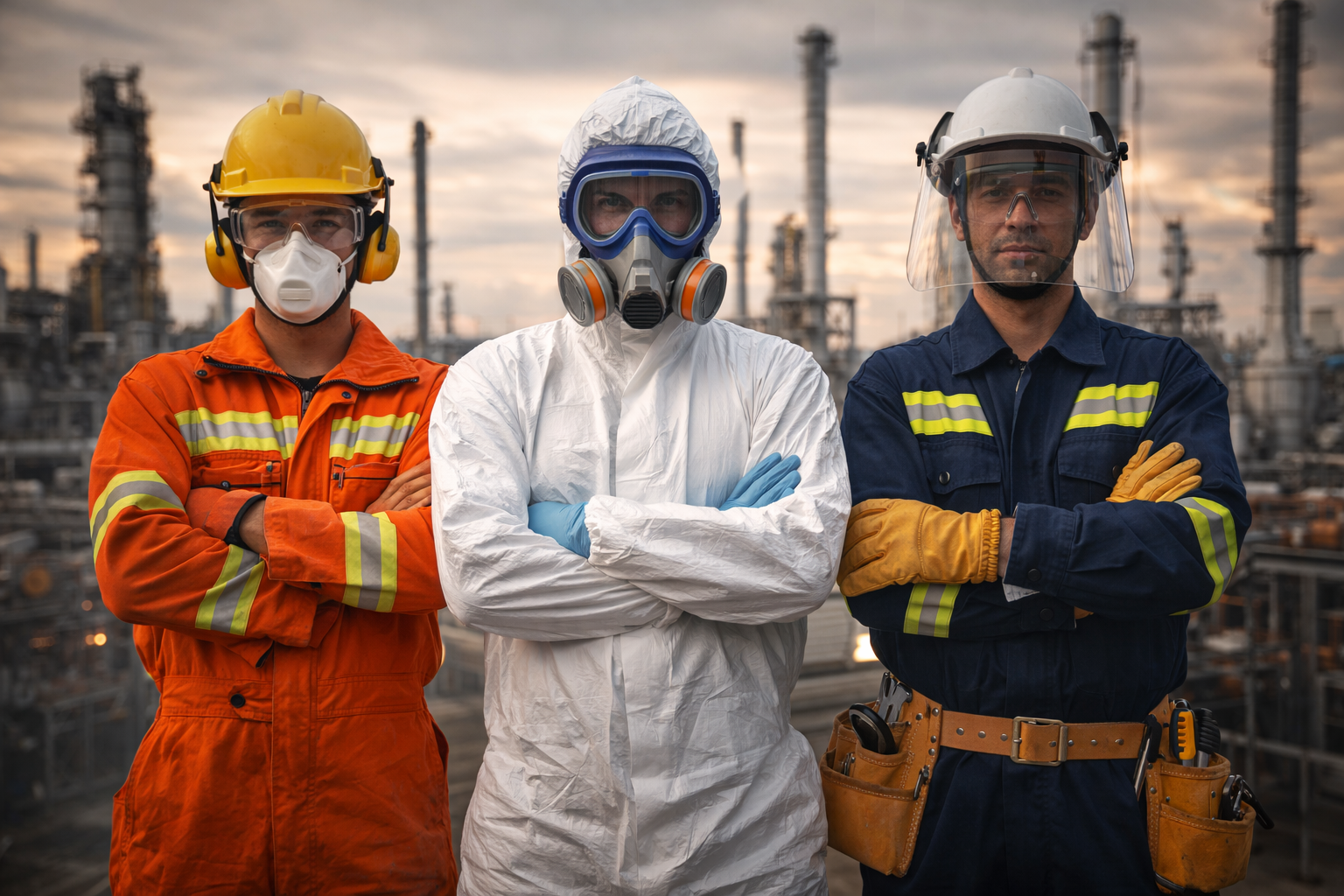
- Oil & Gas and petrochemical sectors require flame resistant clothing, gas detection systems, and chemical resistant PPE
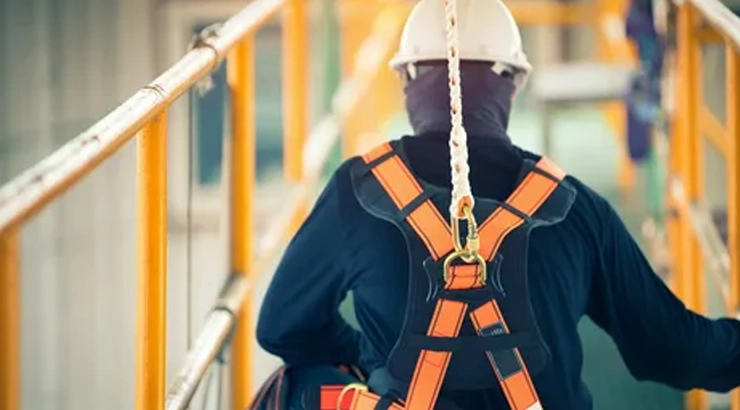
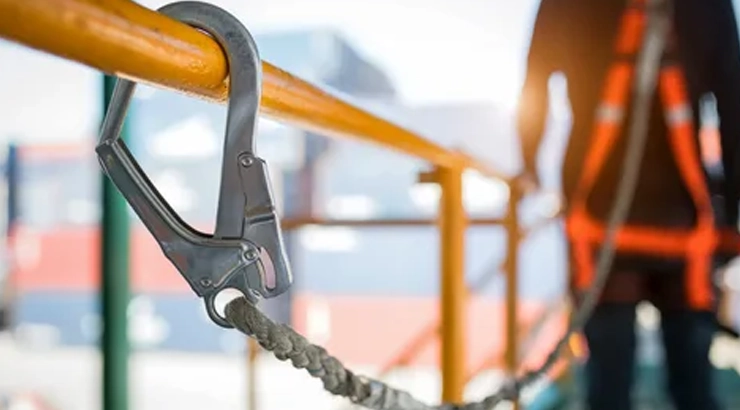
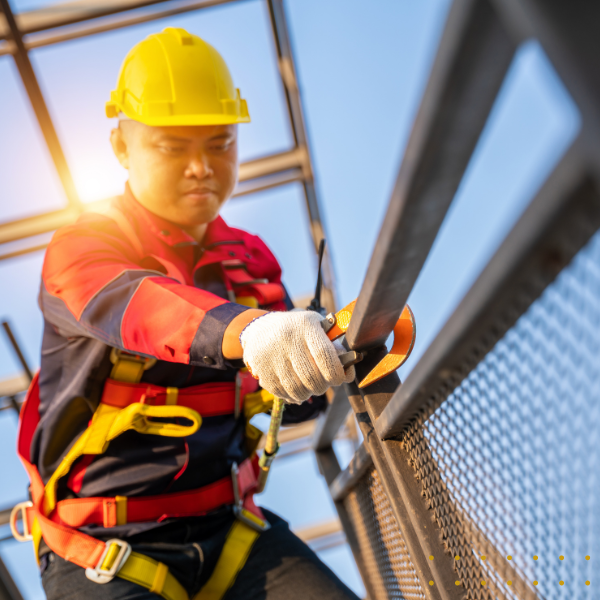
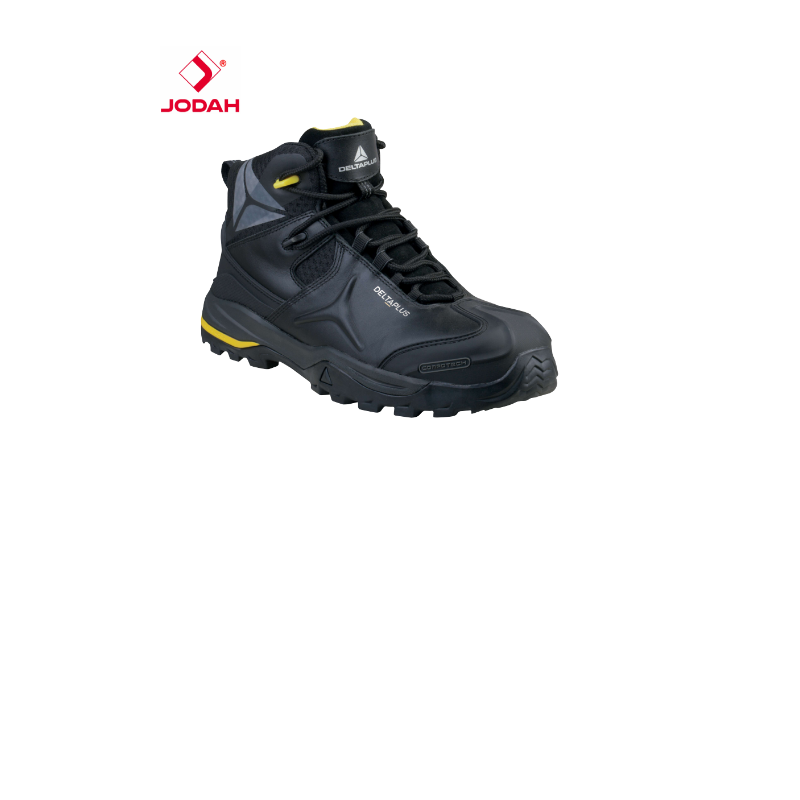
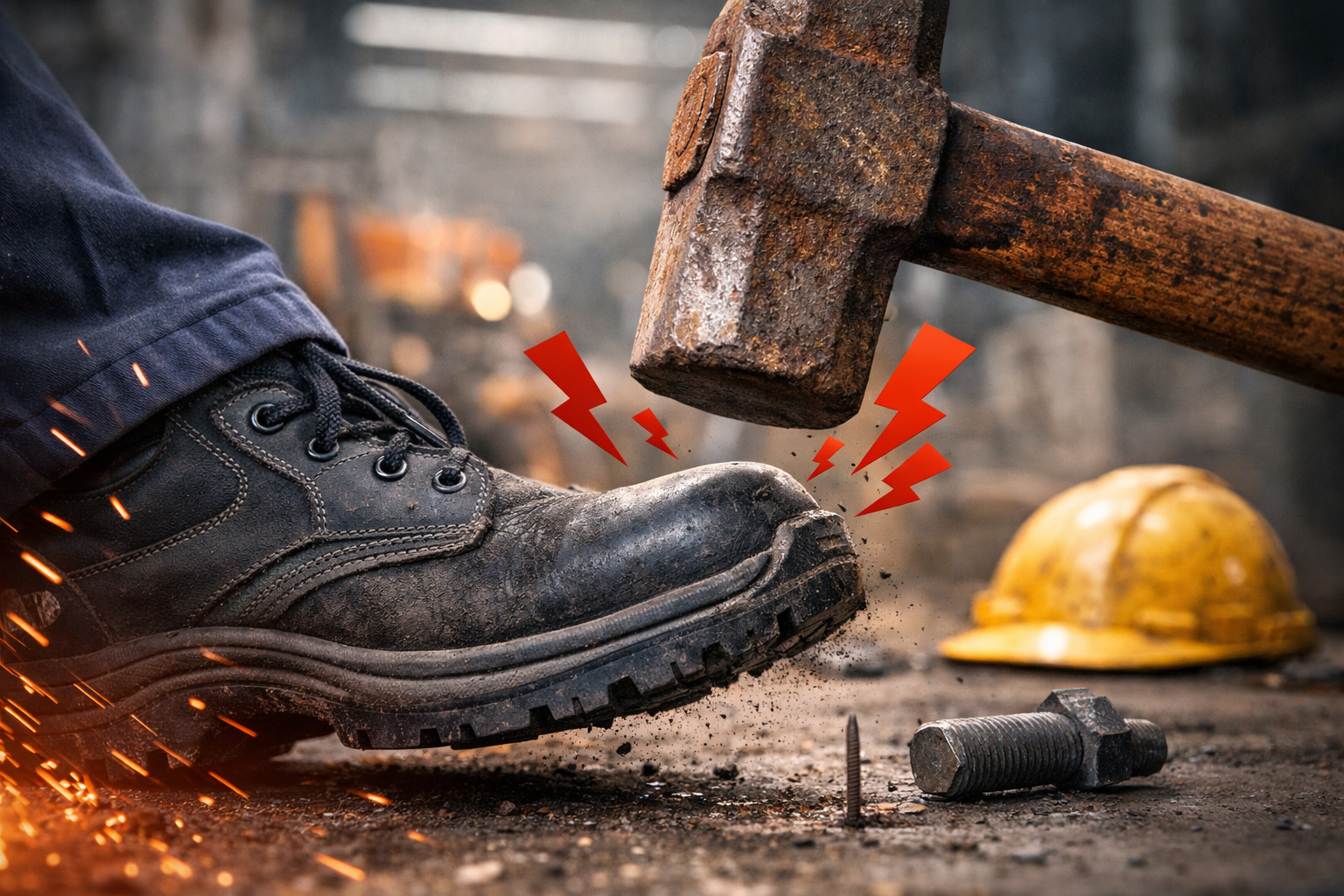
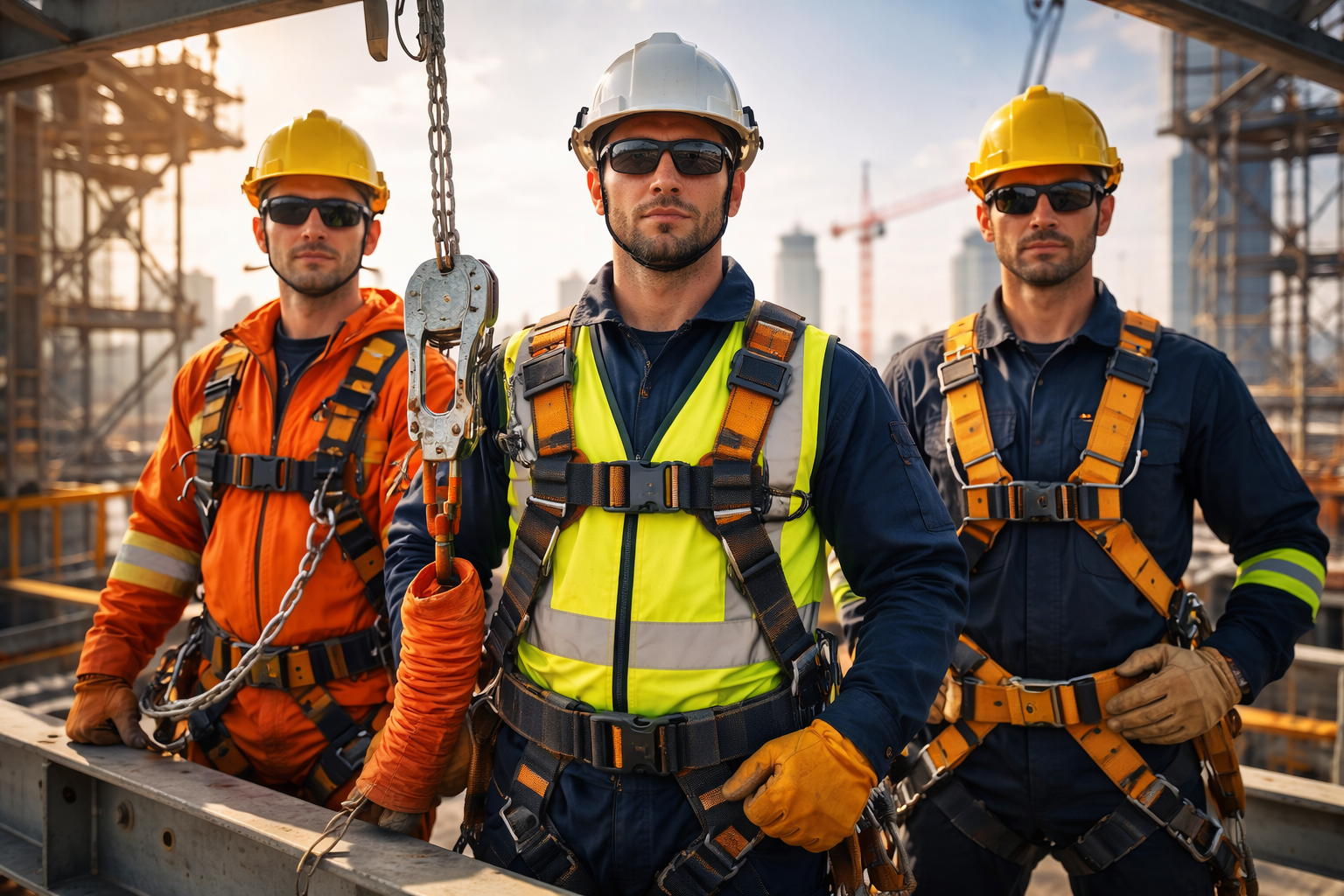
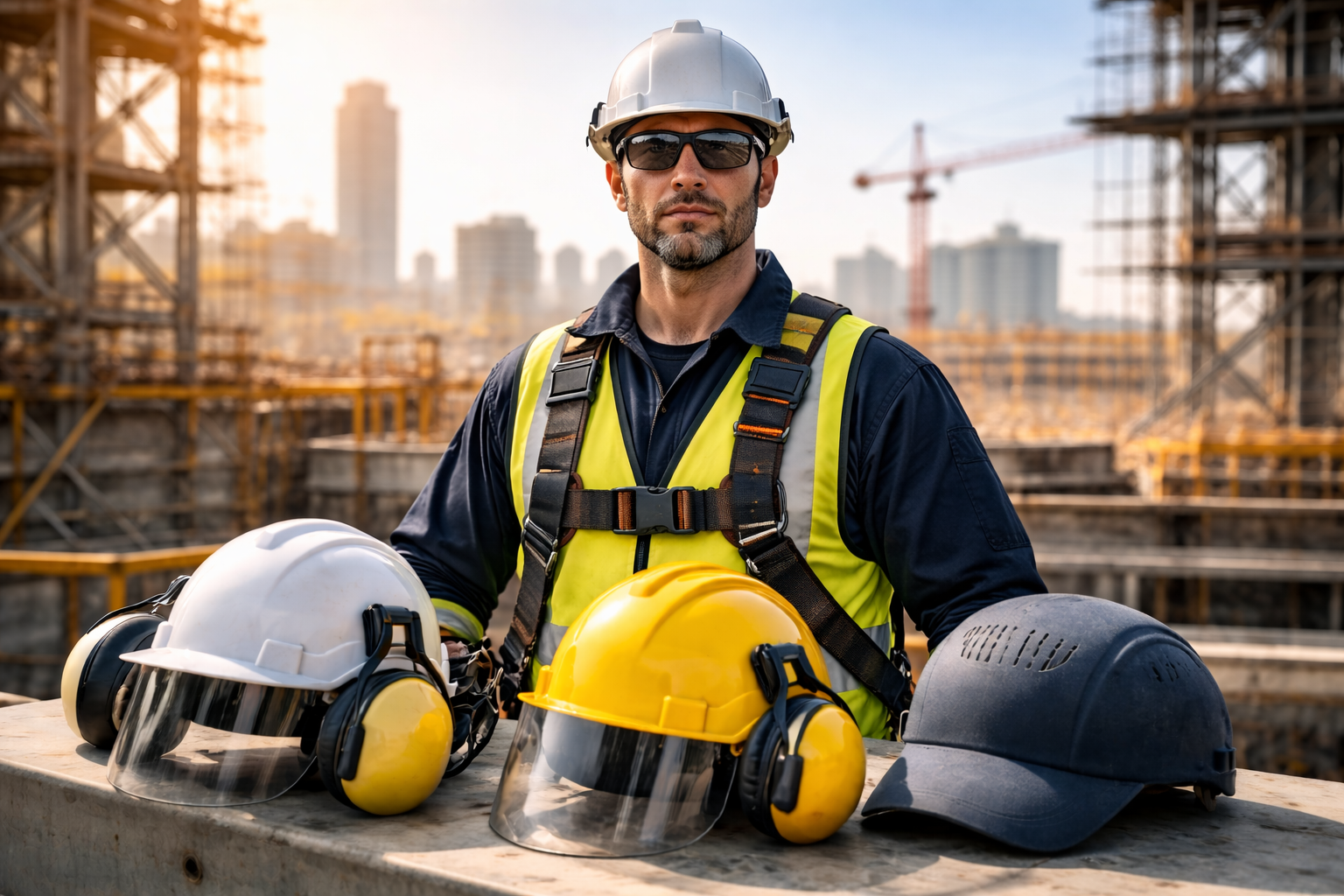
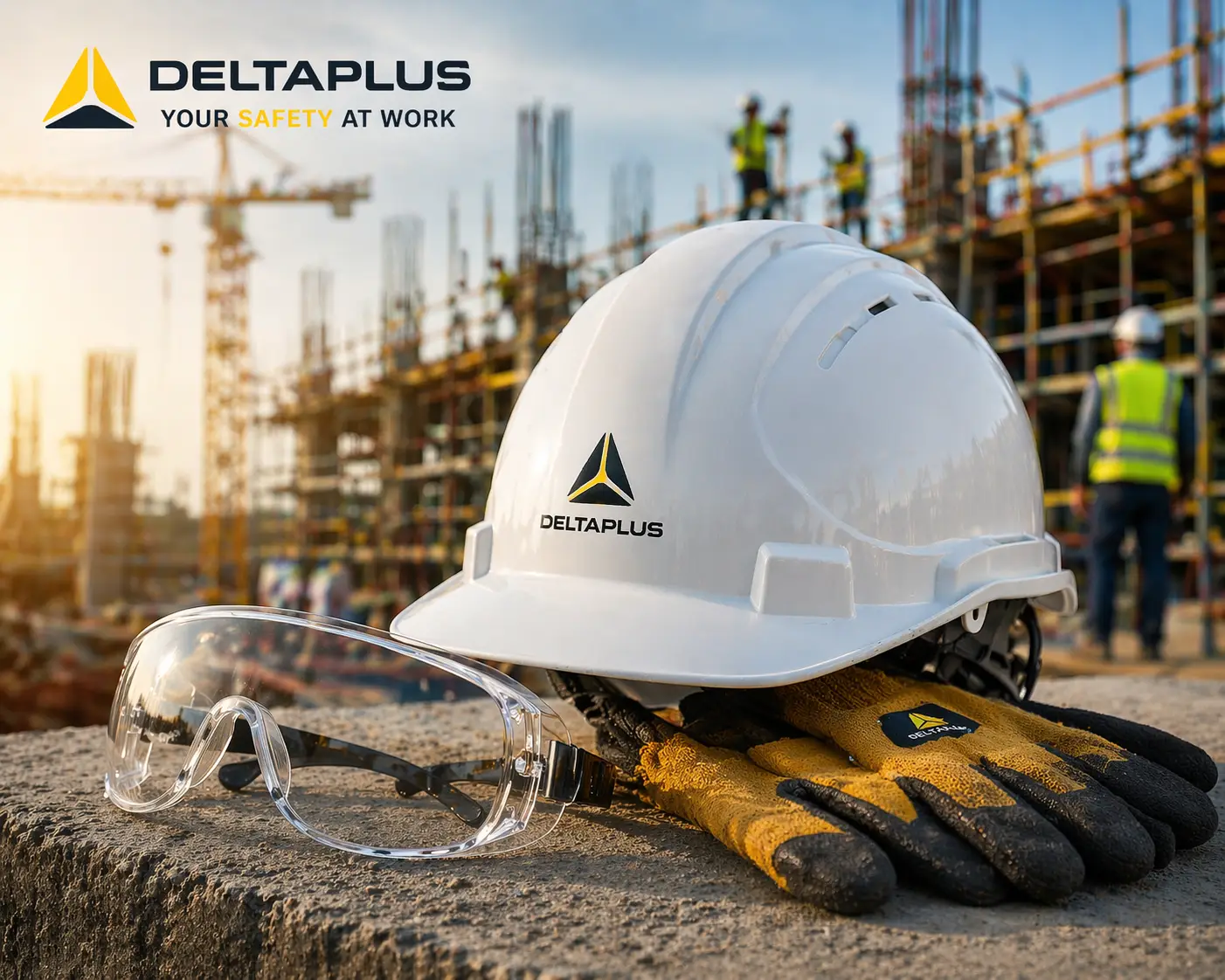
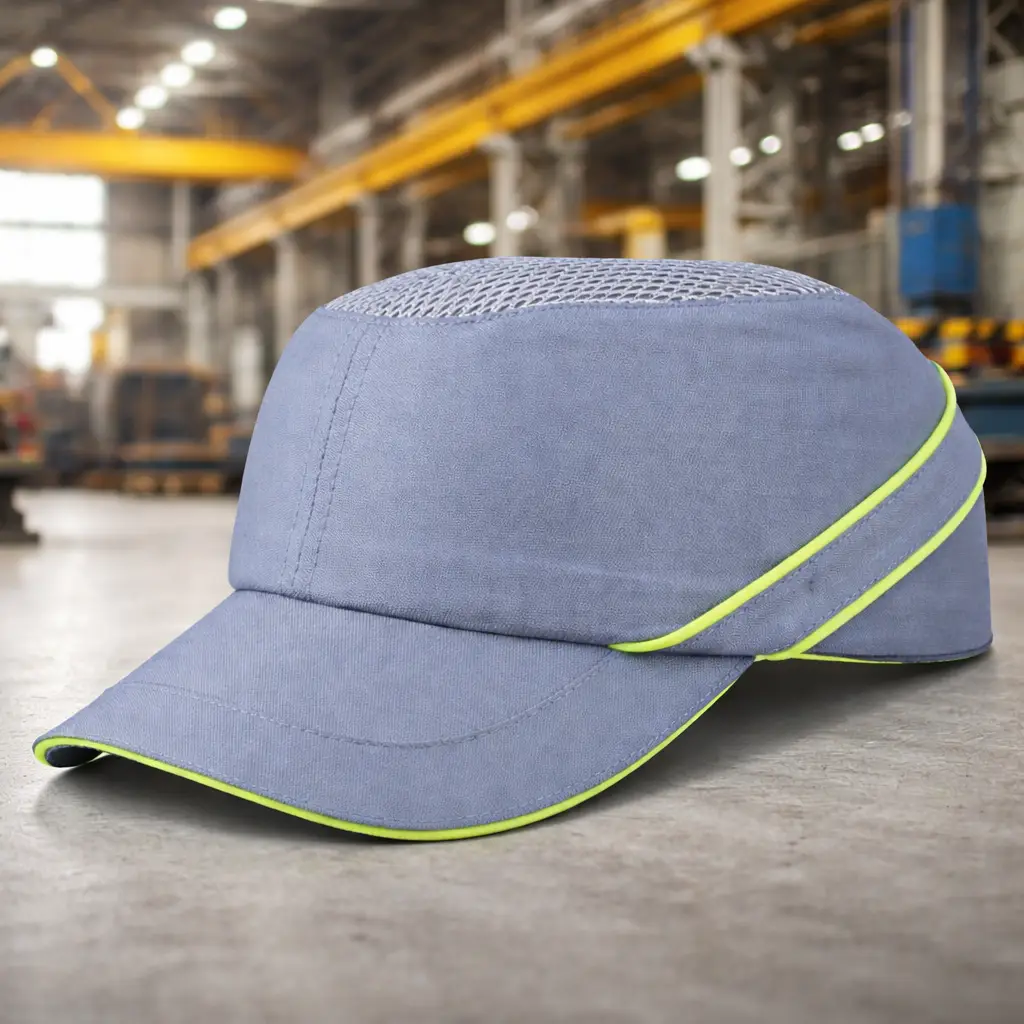
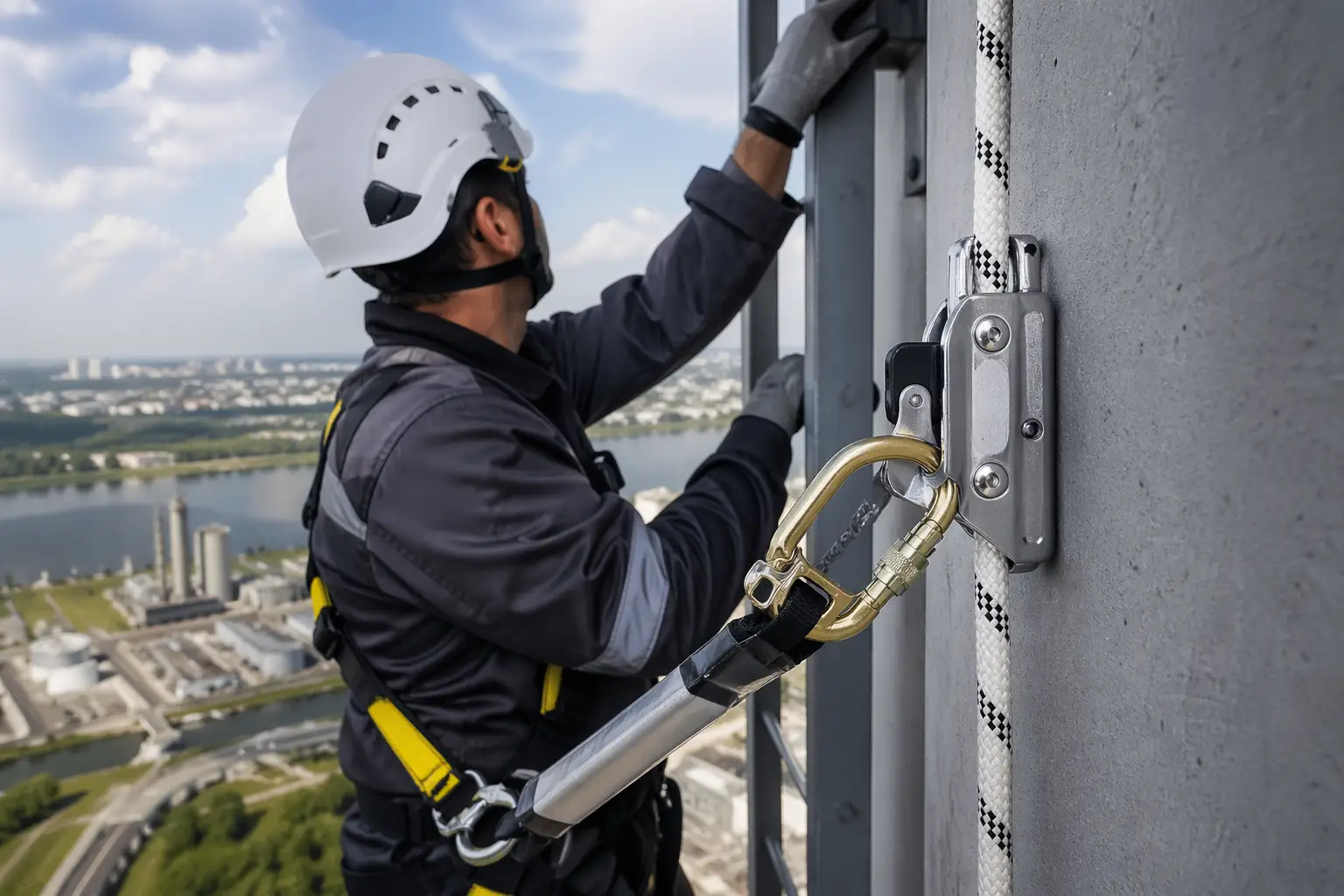
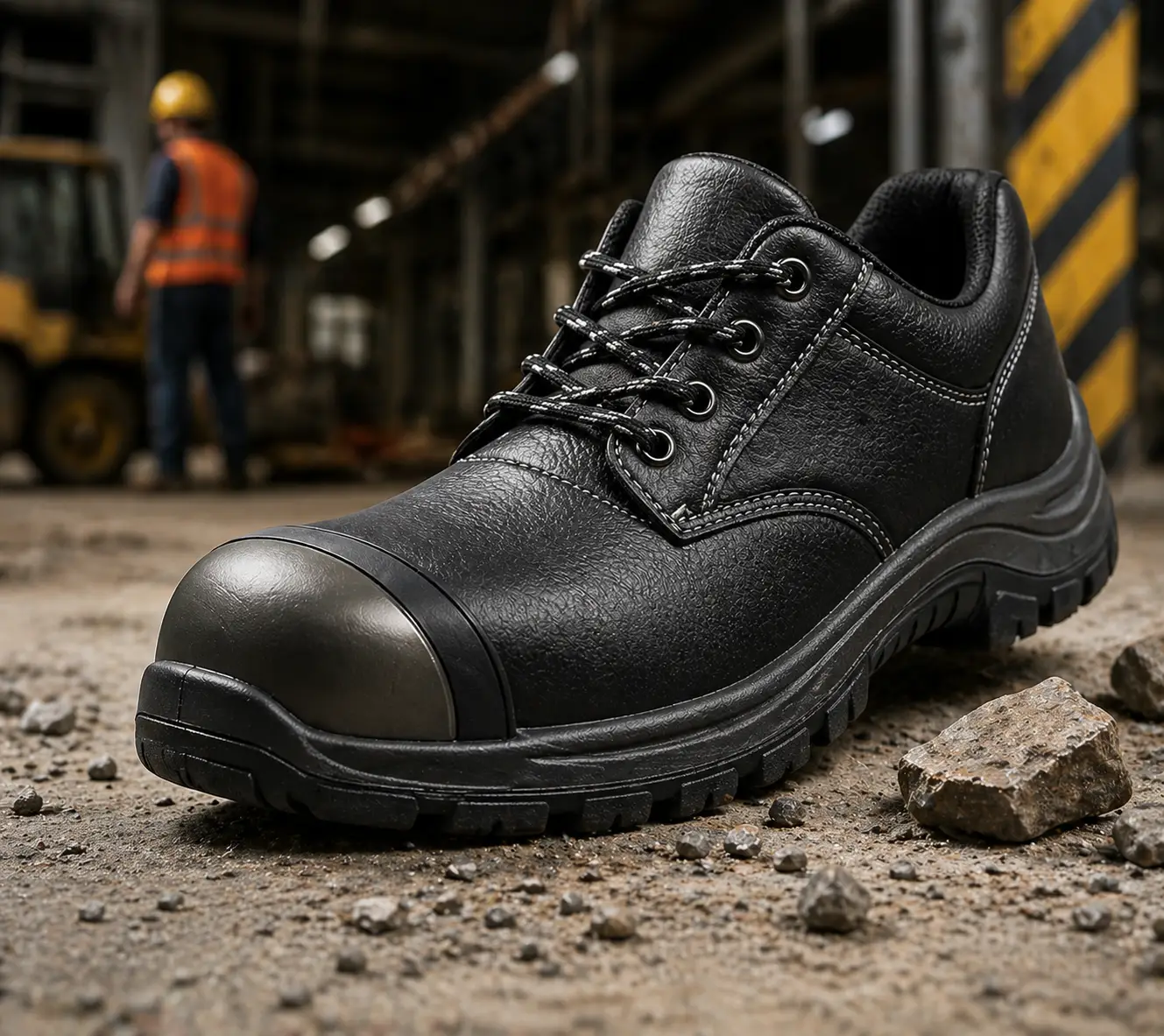
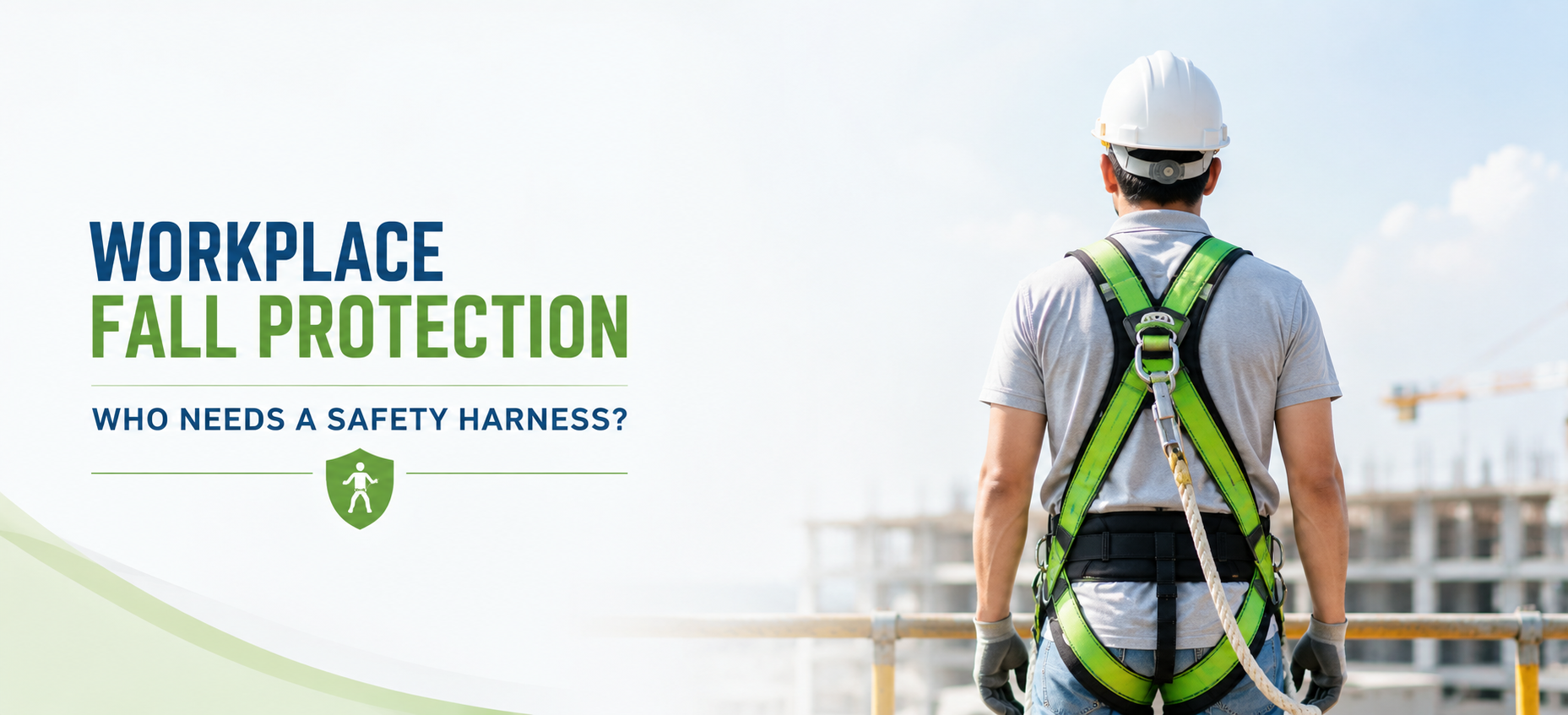
- Construction and infrastructure projects rely heavily on fall protection systems, helmets, high visibility clothing, and safety footwear
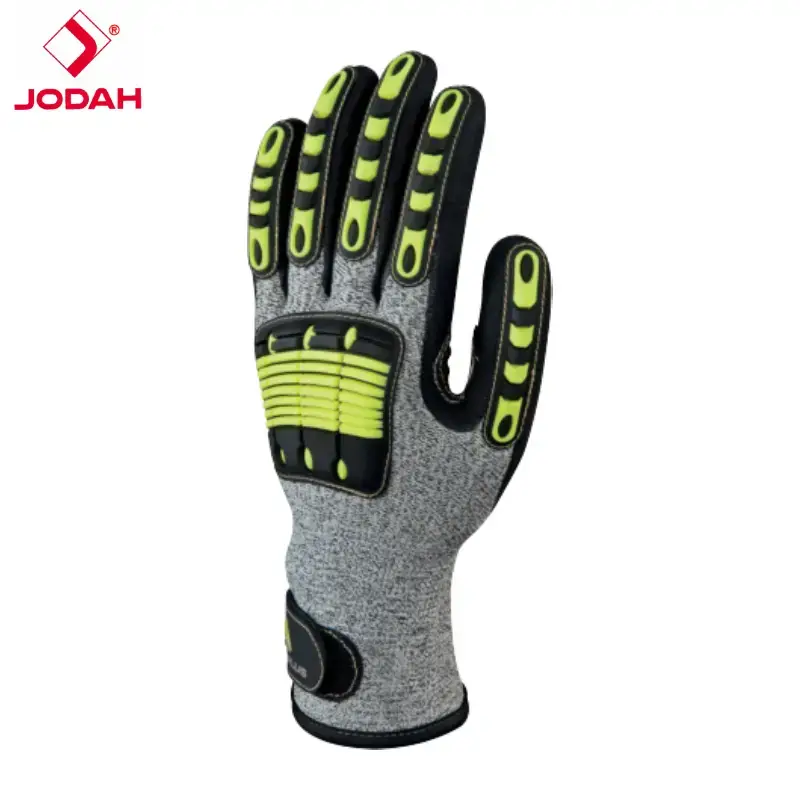
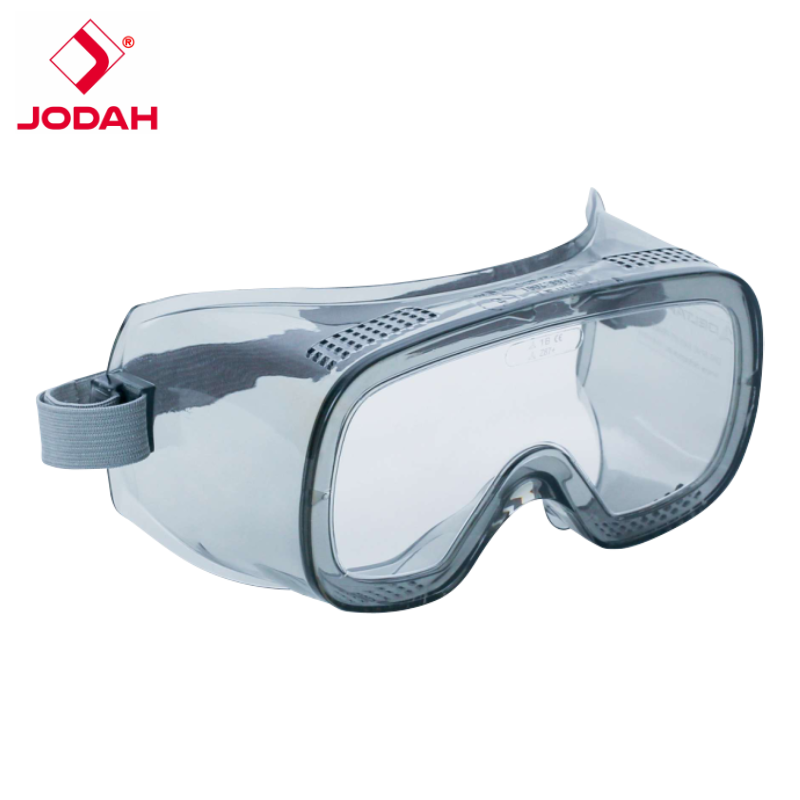
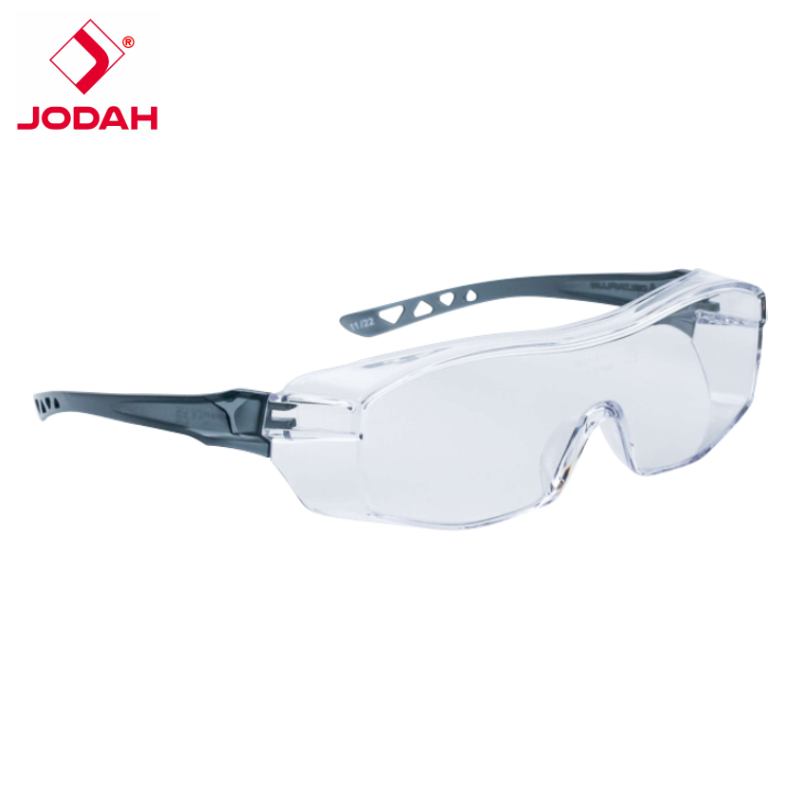
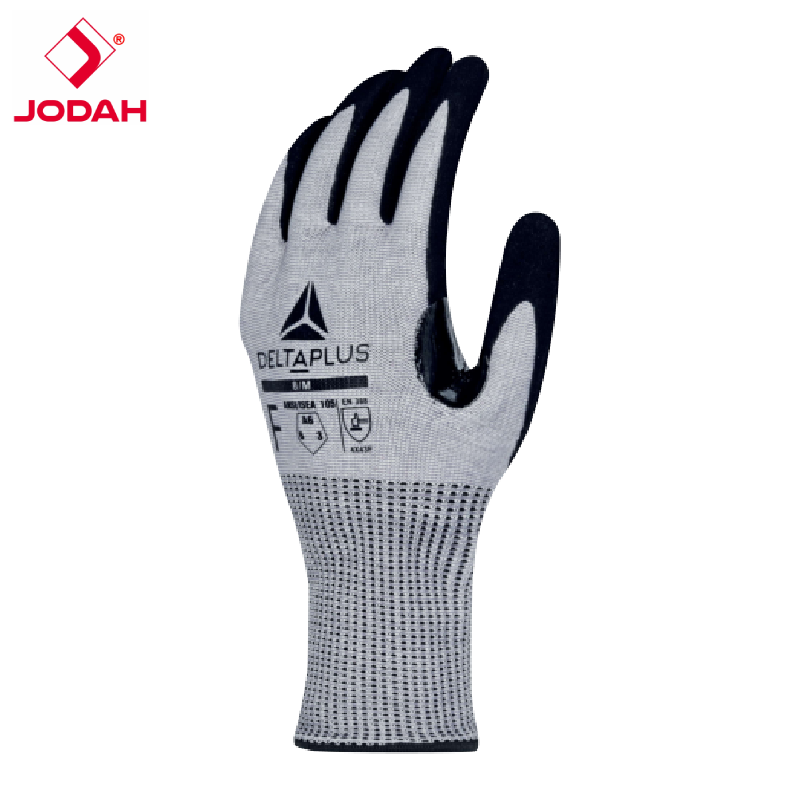
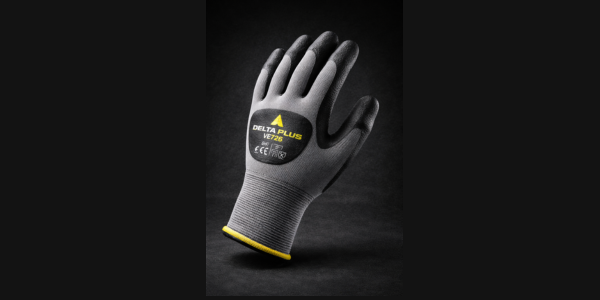
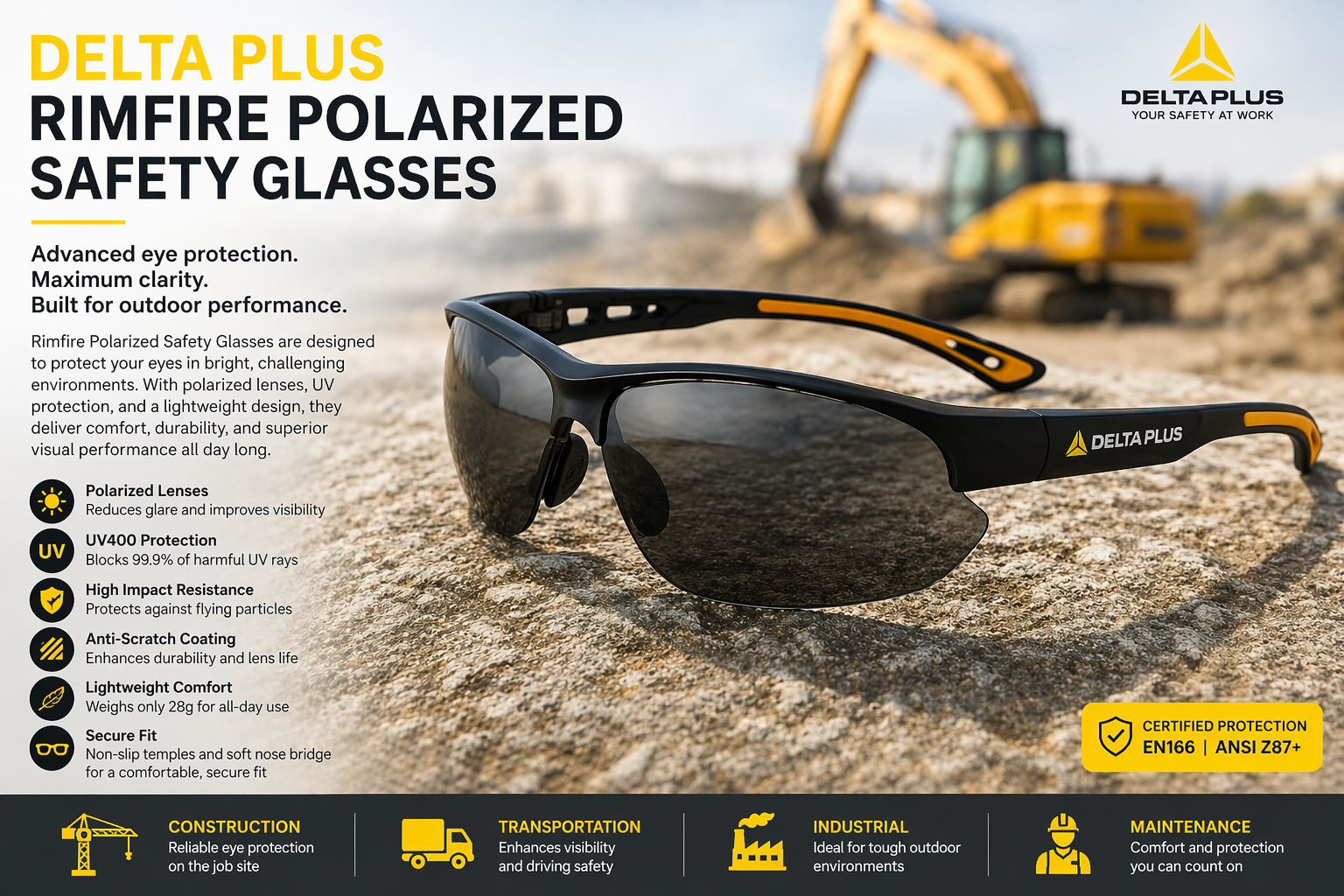
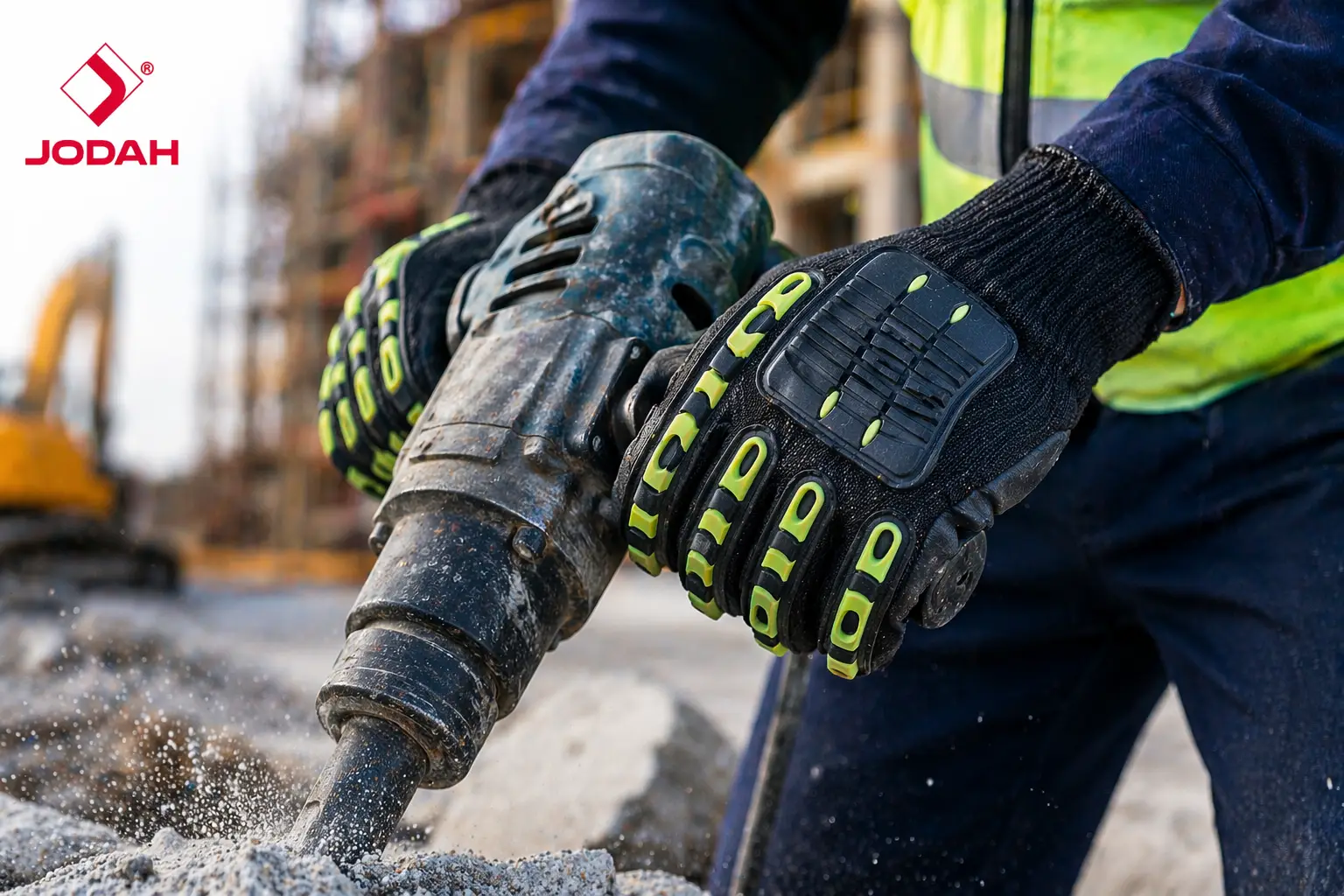
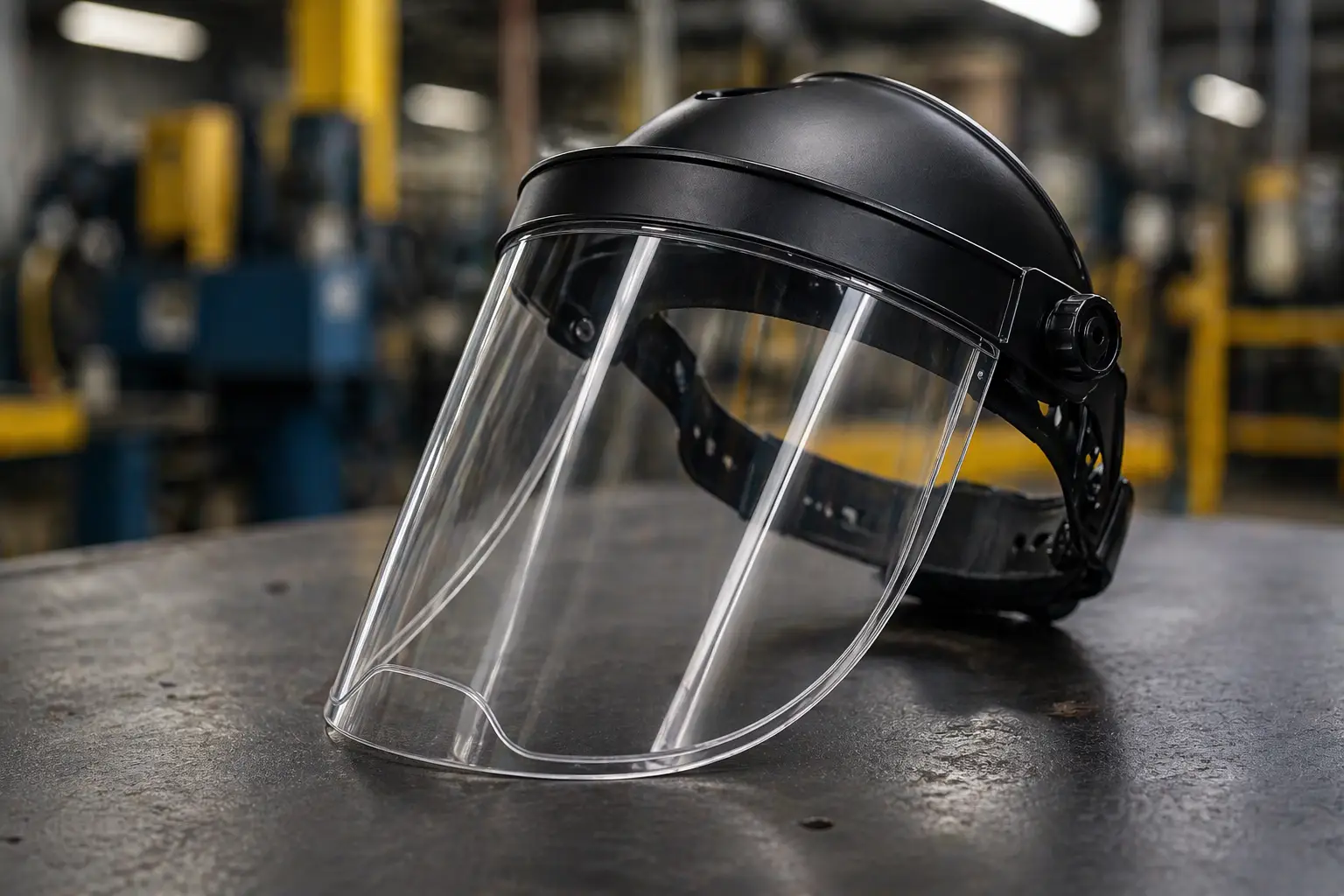
- Warehouses and manufacturing units focus on hand protection, eye protection, and ergonomic safety gear
Suppliers with real market experience in Saudi Arabia can guide buyers toward appropriate equipment based on actual job roles and risk levels.
Emphasis on Comfort and Worker Acceptance
Even the highest rated safety equipment fails if workers avoid wearing it. In Saudi Arabia’s climate, comfort is a critical safety factor.
Reputable suppliers prioritize:
- Lightweight materials
- Breathable and moisture reducing designs
- Ergonomic construction that minimizes fatigue
Comfortable PPE encourages consistent usage, which directly reduces accident risks. Forward thinking suppliers recognize that worker acceptance is as important as protection ratings.
Product Quality, Innovation, and Transparency
The Saudi market increasingly values product quality and responsible manufacturing. Reliable suppliers are open about:
- Materials used in production
- Product construction and performance limits
- Maintenance and lifespan expectations
There is also growing awareness around environmentally responsible materials and safer chemical formulations. Suppliers that invest in innovation and transparent product information help buyers make informed, long term procurement decisions.
Proven Experience in the Saudi Market
Experience matters greatly in KSA. Suppliers with an established presence in the Kingdom are more familiar with:
- Local procurement processes
- Project based supply demands
- Compliance expectations from authorities and clients
Companies that have worked across multiple Saudi industries tend to provide more practical, application-driven safety solutions rather than theoretical recommendations.
Reliable Supply Chain and Nationwide Availability
Saudi Arabia’s scale demands strong logistics capability. A dependable safety equipment supplier should be able to support projects across major industrial regions such as Riyadh, Jeddah, Dammam, Jubail, Yanbu, and NEOM zones.
Key indicators of reliability include:
- Consistent stock availability
- Ability to handle bulk and repeat orders
- Predictable delivery timelines
Supply delays can halt projects, making logistics reliability just as important as product quality.
After Sales Support and Long Term Partnership
The role of a safety supplier does not end after delivery. Professional suppliers offer continued support through:
- Technical clarification and documentation
- Assistance during audits and inspections
- Product replacement and long term supply planning
In Saudi Arabia, businesses increasingly seek long term safety partners rather than short term vendors. Ongoing support builds trust and ensures continuity across large projects.
Choosing the Right Safety Equipment Supplier in KSA
Selecting a reliable safety equipment supplier in Saudi Arabia is about more than product pricing. It requires confidence in compliance, understanding of local conditions, industry knowledge, and dependable service. In a country where safety expectations are rising alongside industrial growth, the right supplier becomes an extension of your safety strategy. By choosing a partner who prioritizes quality, comfort, compliance, and long term support, businesses can protect their workforce while supporting sustainable growth across the Kingdom.