

Common PPE Mistakes on Construction Sites and How to Avoid Them
- Posted by: Hadiya
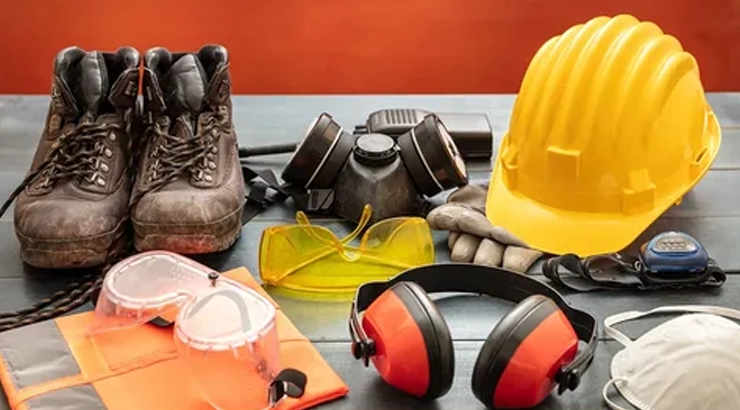
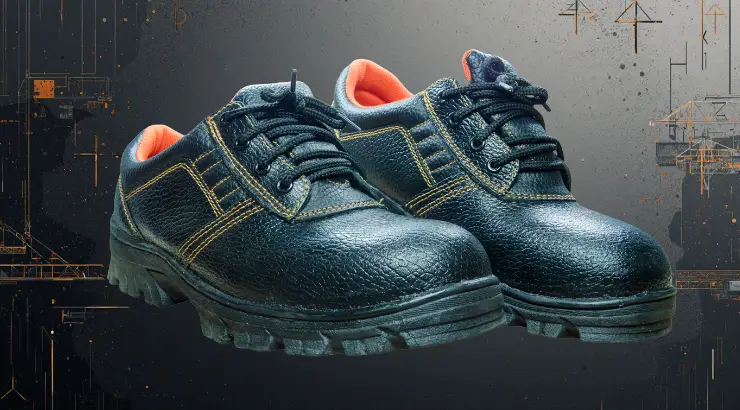
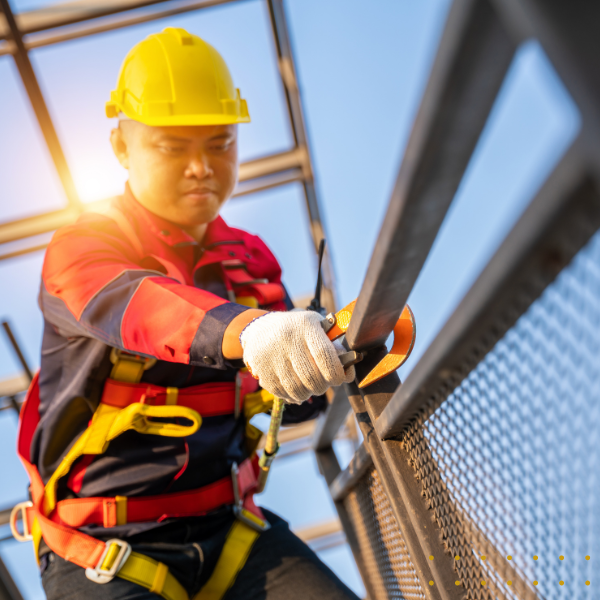
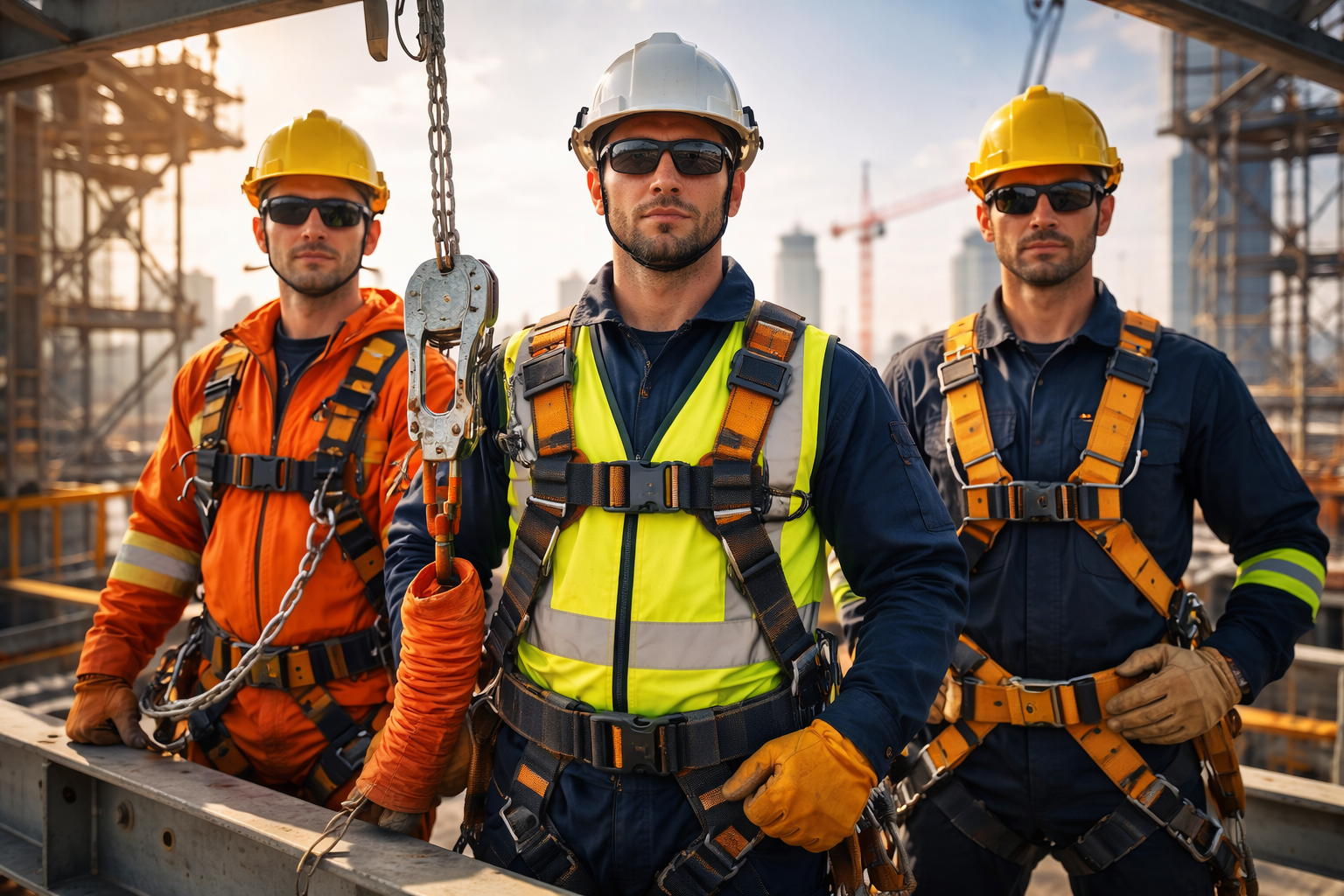
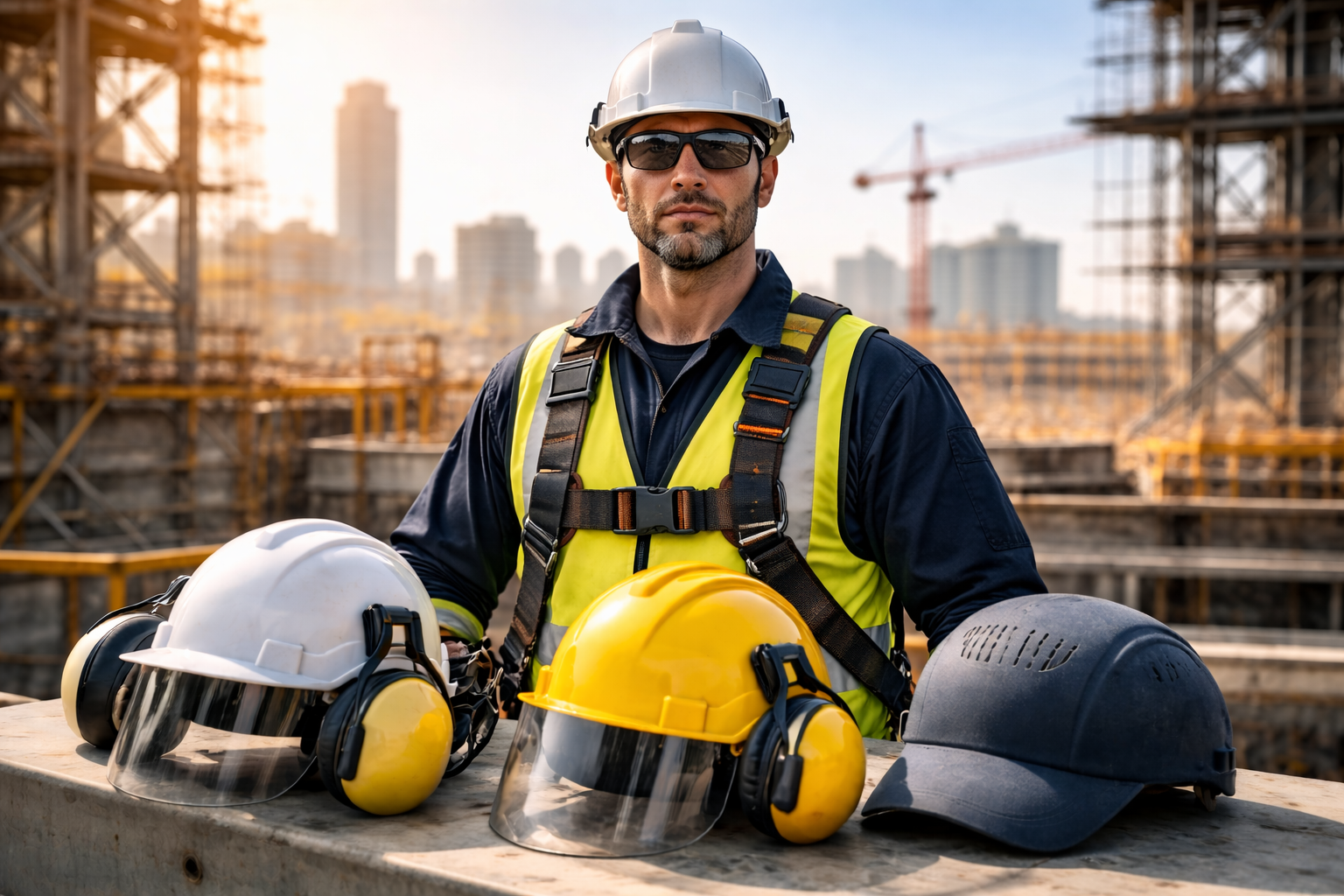
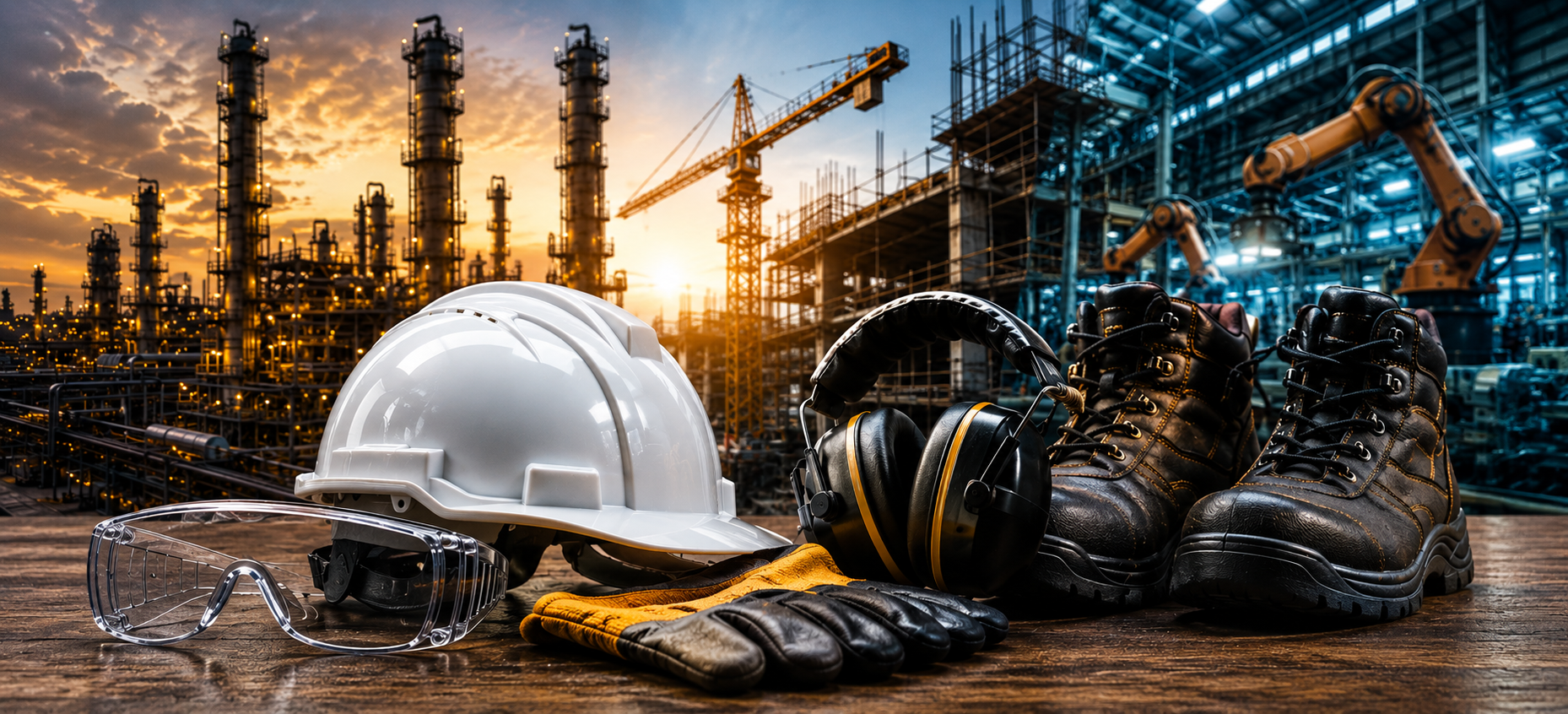
Personal Protective Equipment (PPE) is essential for keeping workers safe on construction sites. Helmets, gloves, safety shoes, and other protective gear are designed to reduce injuries and prevent serious accidents. However, PPE often fails to protect workers not because it is poor quality, but because it is used incorrectly or ignored.
This blog explains the most common PPE mistakes on construction sites and provides practical solutions to avoid them, helping improve safety, compliance, and productivity.
Why PPE Mistakes Are a Serious Safety Risk
Construction sites involve hazards such as falling objects, sharp materials, dust, noise, and working at height. PPE acts as the last layer of protection when other safety controls are not enough. When PPE is misused or poorly managed, the risk of injuries increases significantly.
Most PPE related accidents happen due to lack of awareness, poor supervision, or incorrect selection rather than equipment failure.
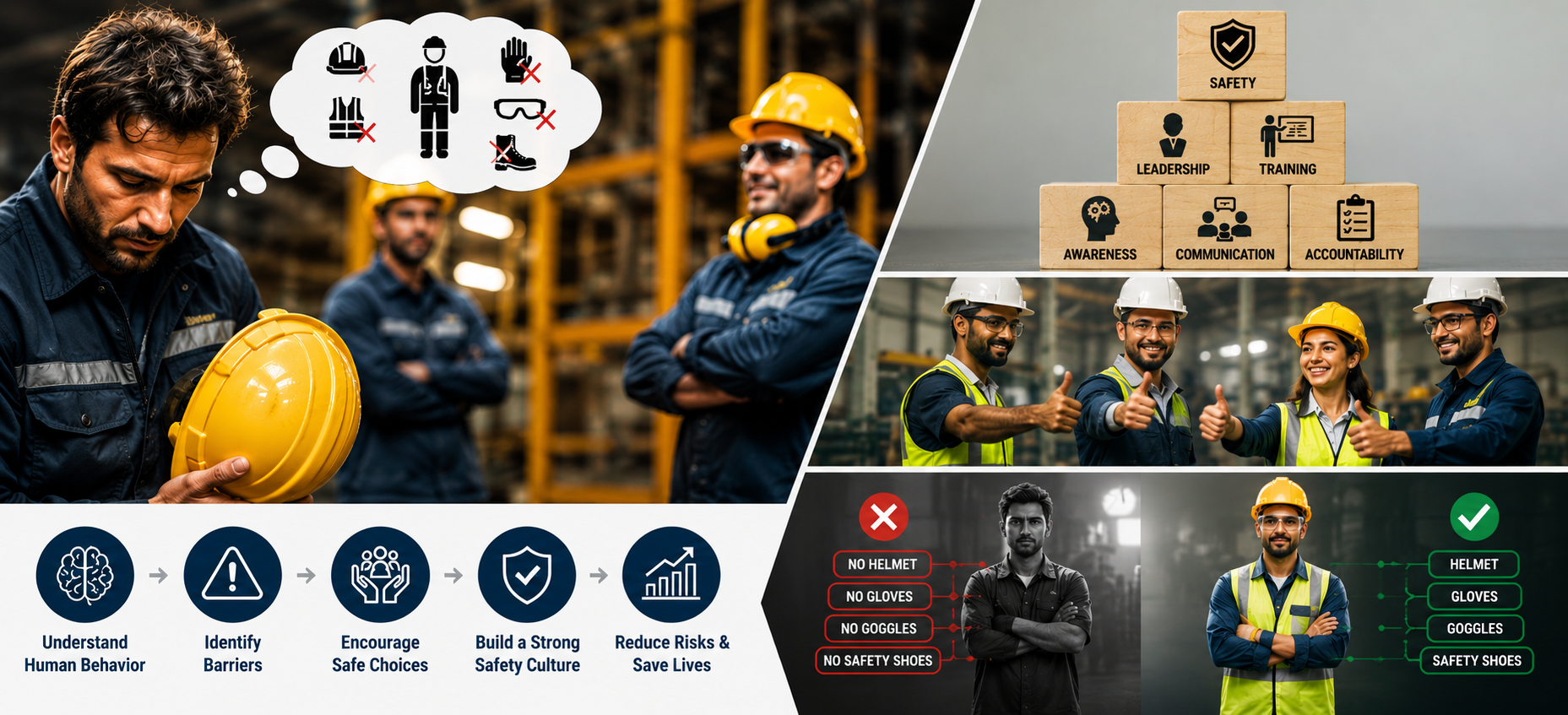
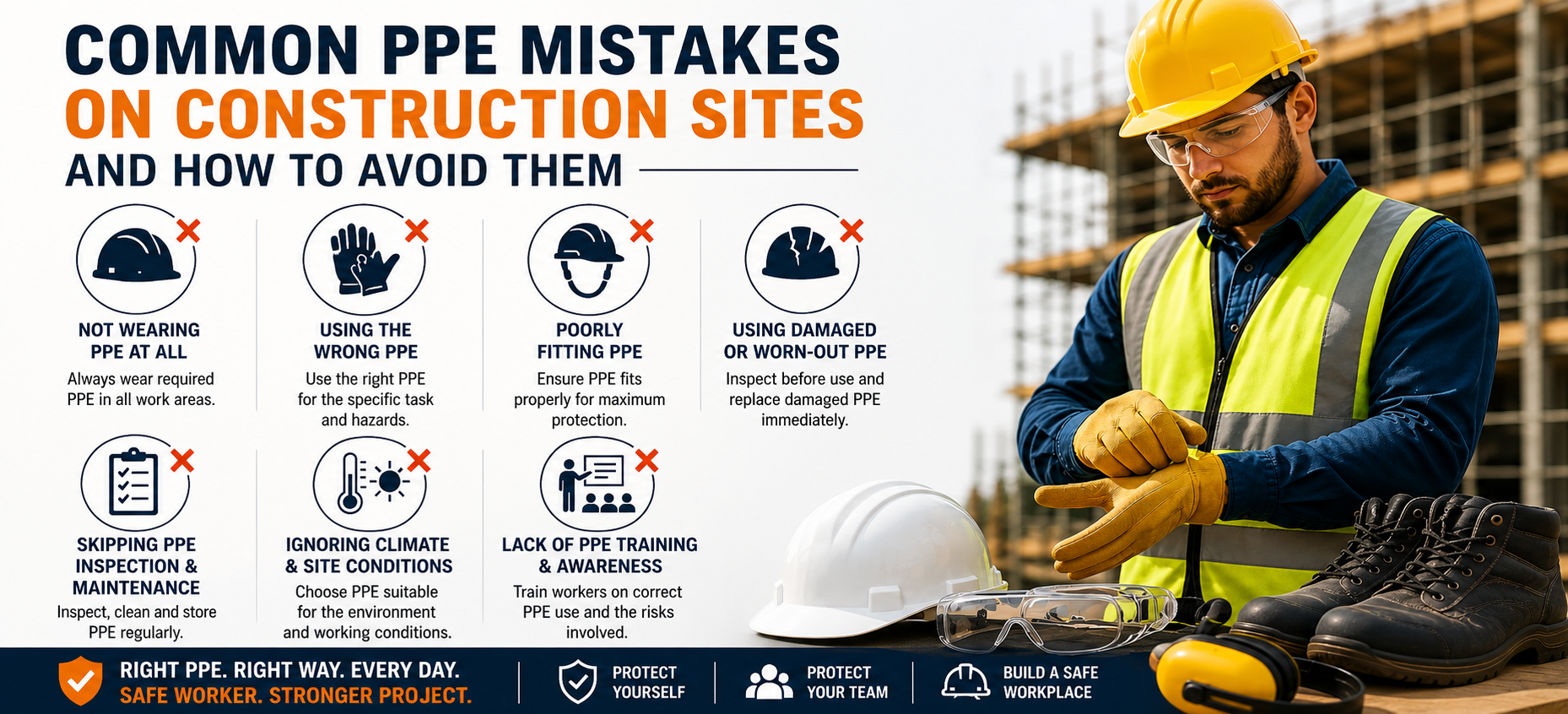
1. Not Wearing PPE at All
The Mistake
Some workers avoid wearing PPE because it feels uncomfortable, slows them down, or seems unnecessary for short tasks.
How to Avoid It
- Make PPE mandatory in all active work areas
- Clearly display PPE requirement signs
- Ensure supervisors lead by example
- Provide comfortable, well fitted PPE
2. Using the Wrong Type of PPE
The Mistake
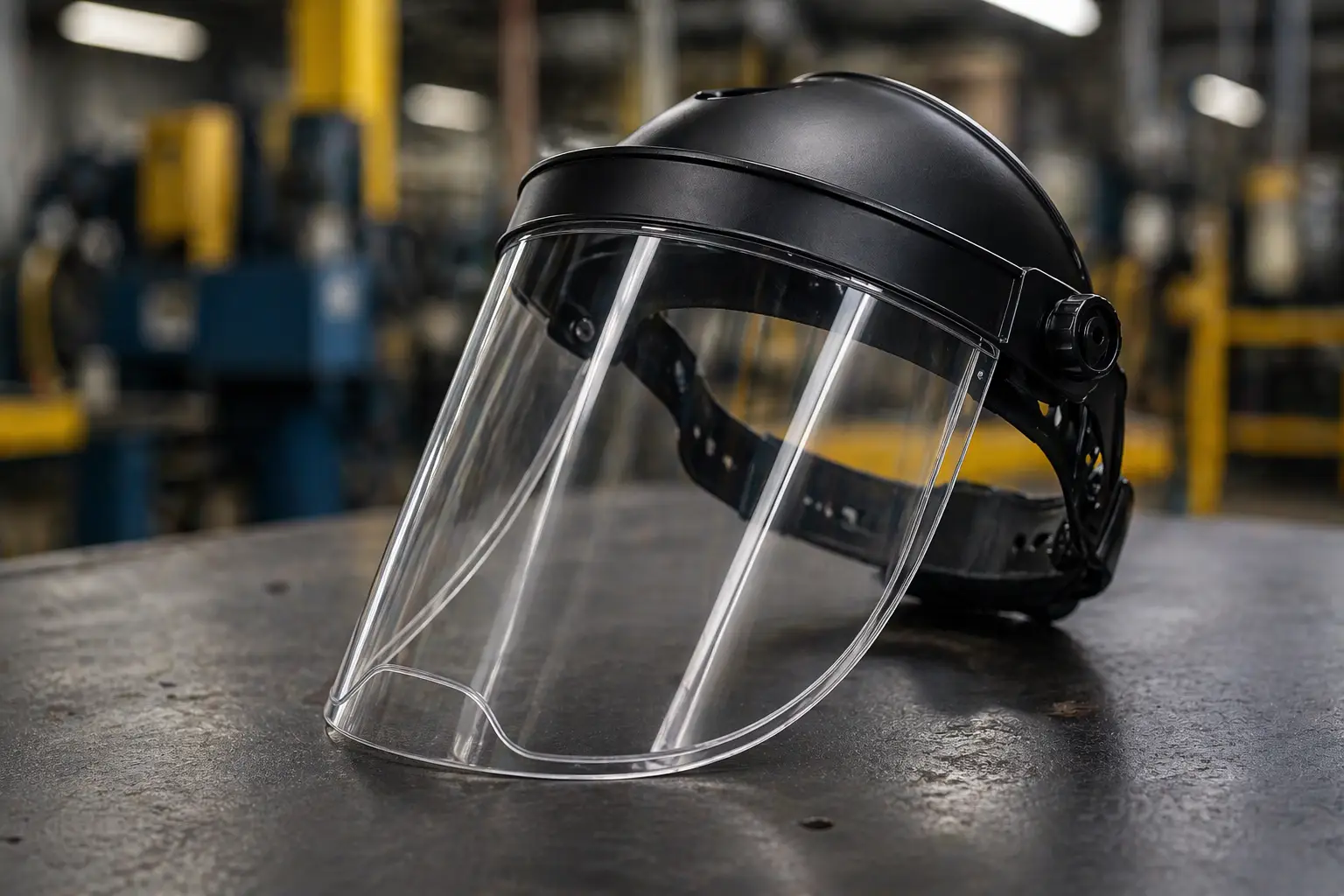
Using general PPE for specific hazards, such as wearing basic gloves for chemical handling or using standard helmets where impact protection is required.
How to Avoid It
- Assess site risks before selecting PPE
- Match PPE type to the specific task
- Use certified PPE suitable for construction activities
3. Poorly Fitting PPE
The Mistake
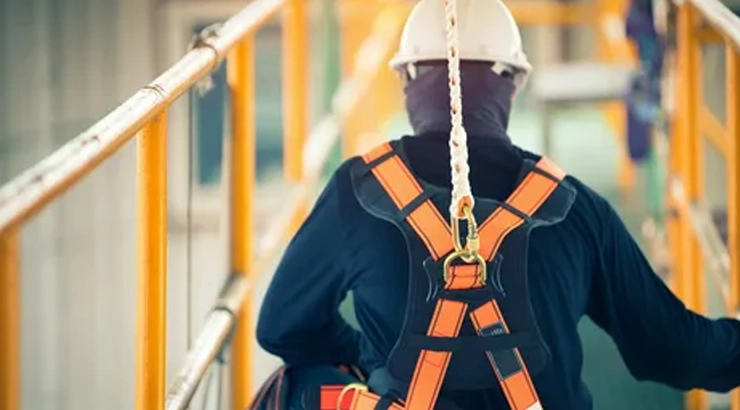
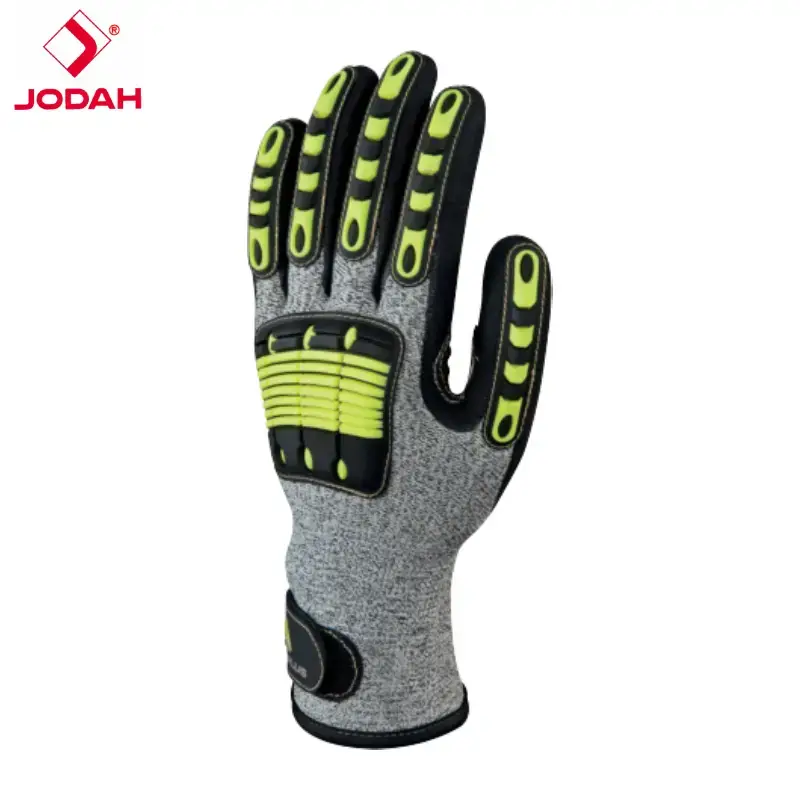
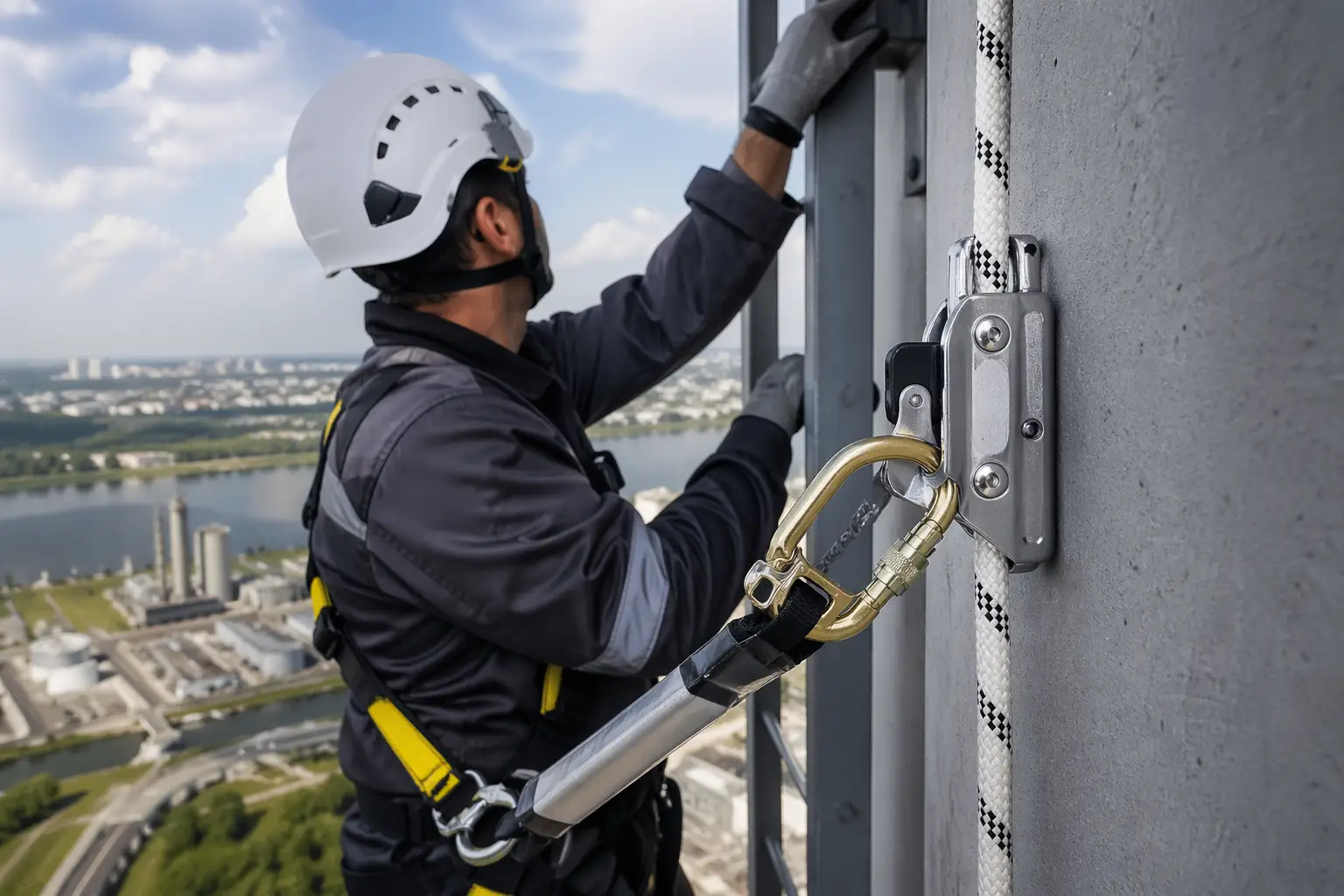
Wearing helmets, gloves, or harnesses that are too loose or too tight reduces protection and comfort.
How to Avoid It
- Provide PPE in different sizes
- Allow workers to adjust PPE correctly
- Replace PPE that no longer fits properly
4. Using Damaged or Worn Out PPE
The Mistake
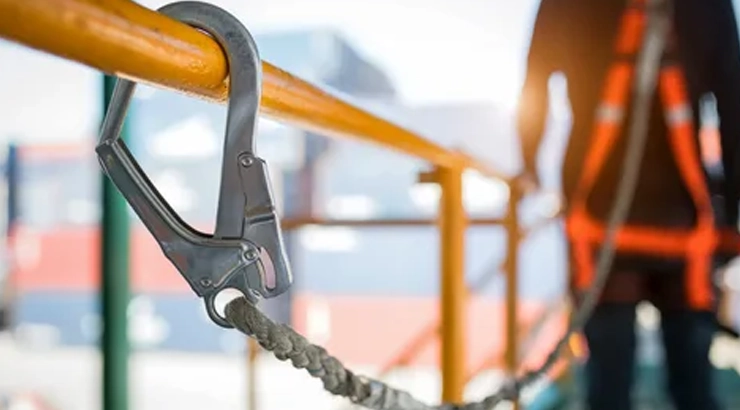
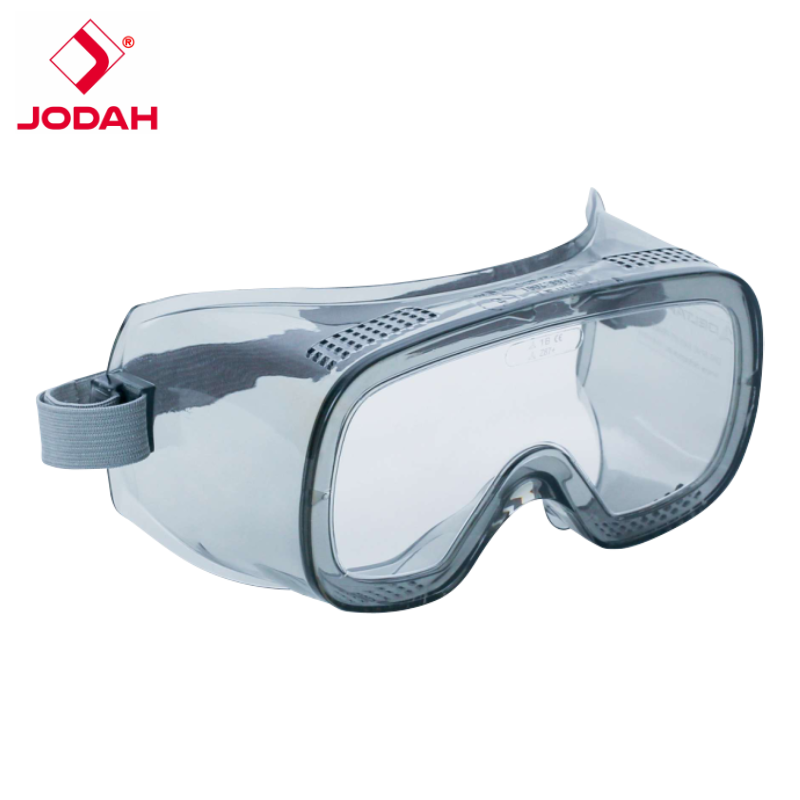
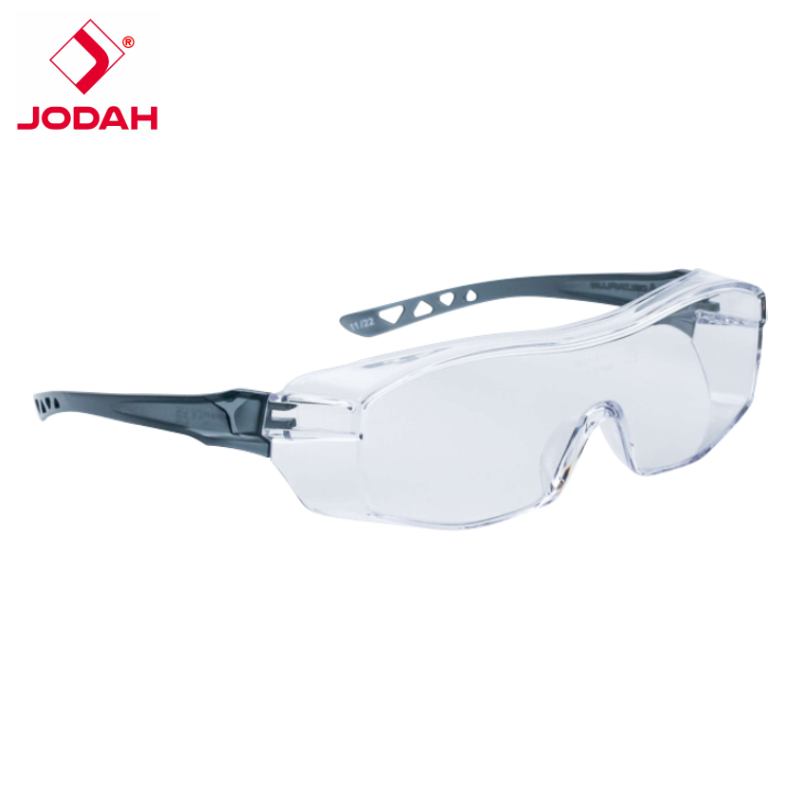
Cracked helmets, torn gloves, worn-out harnesses, or scratched safety glasses are often reused instead of replaced.
How to Avoid It
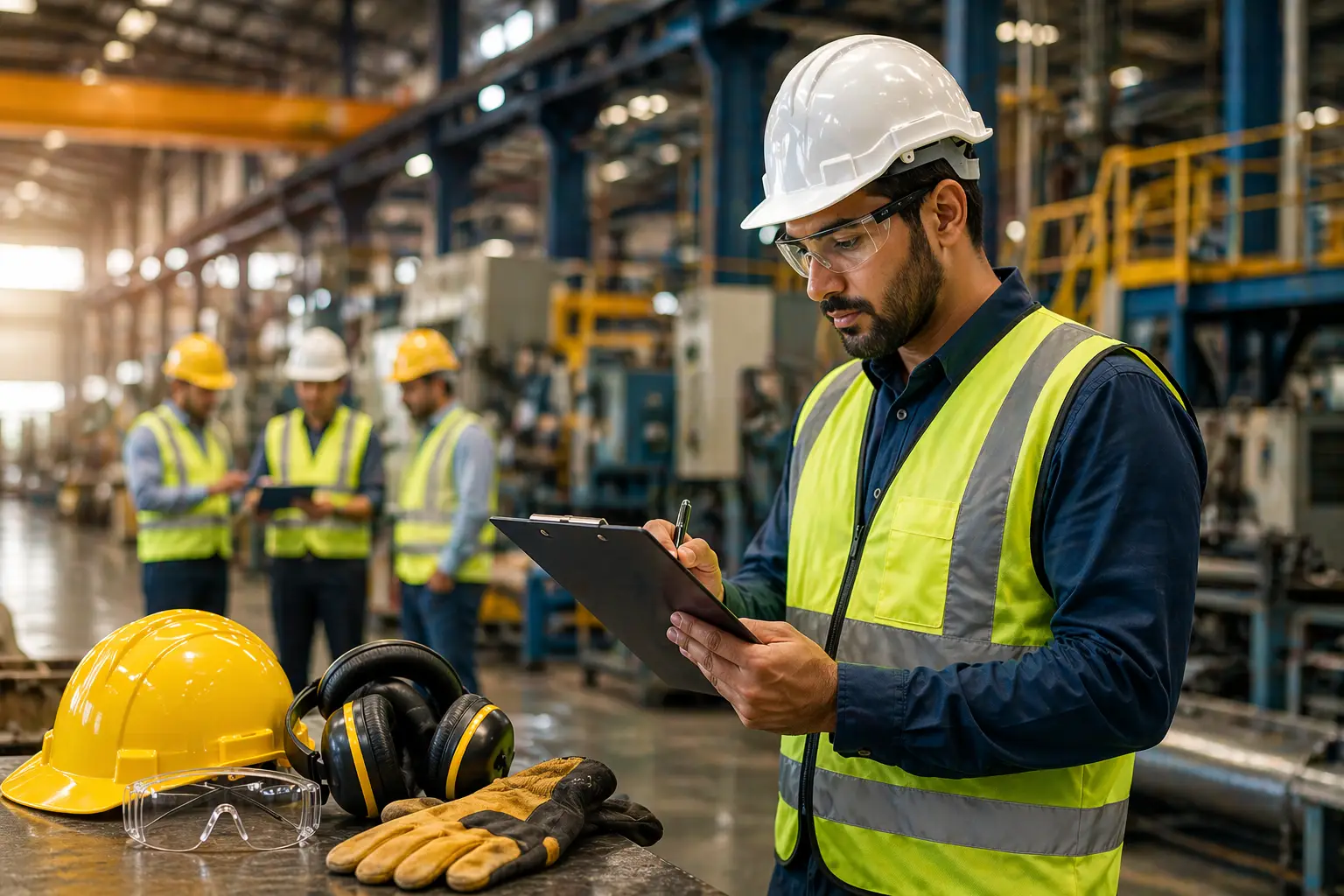
- Inspect PPE before each use
- Remove damaged PPE from service immediately
- Replace PPE that has reached the end of its service life
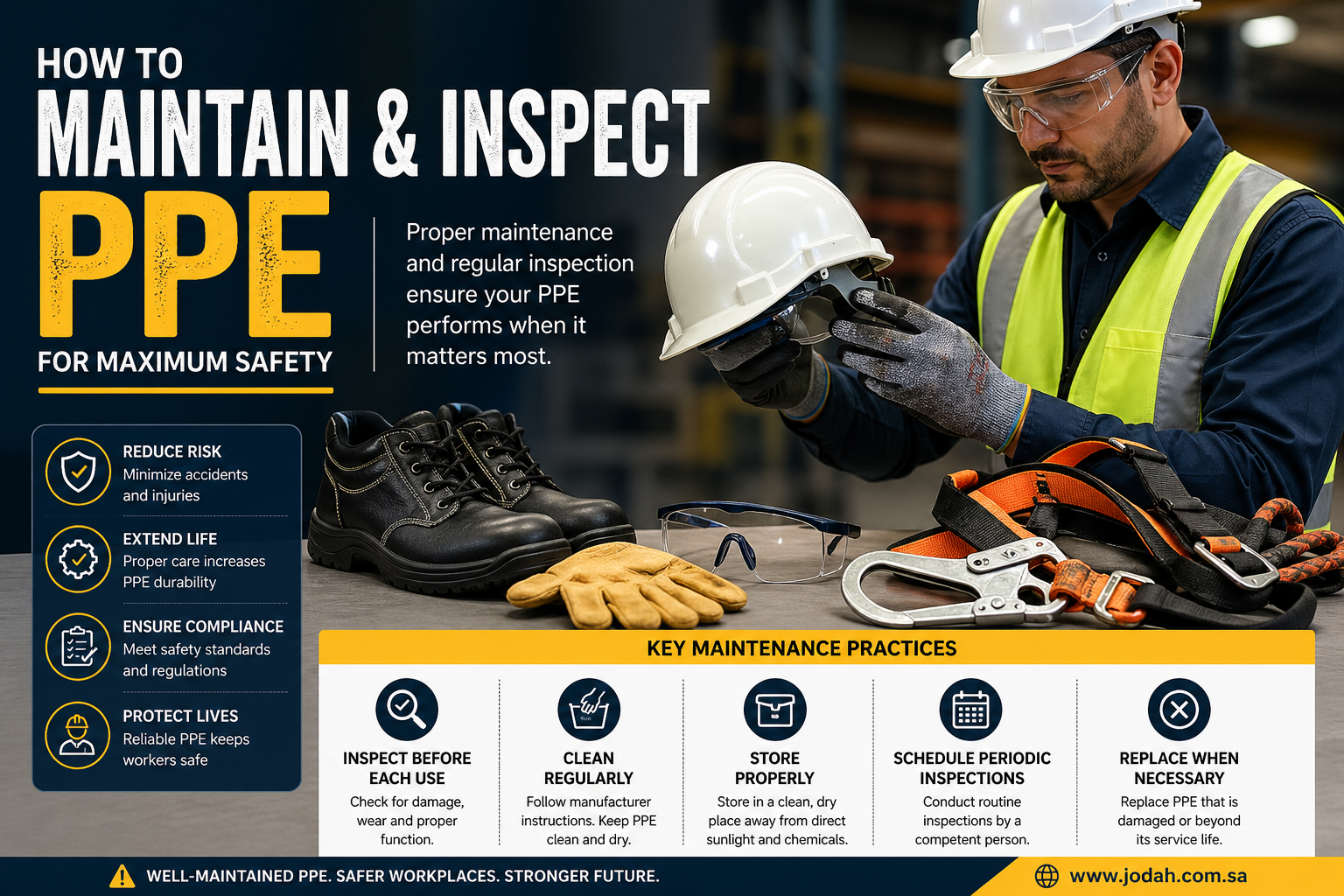
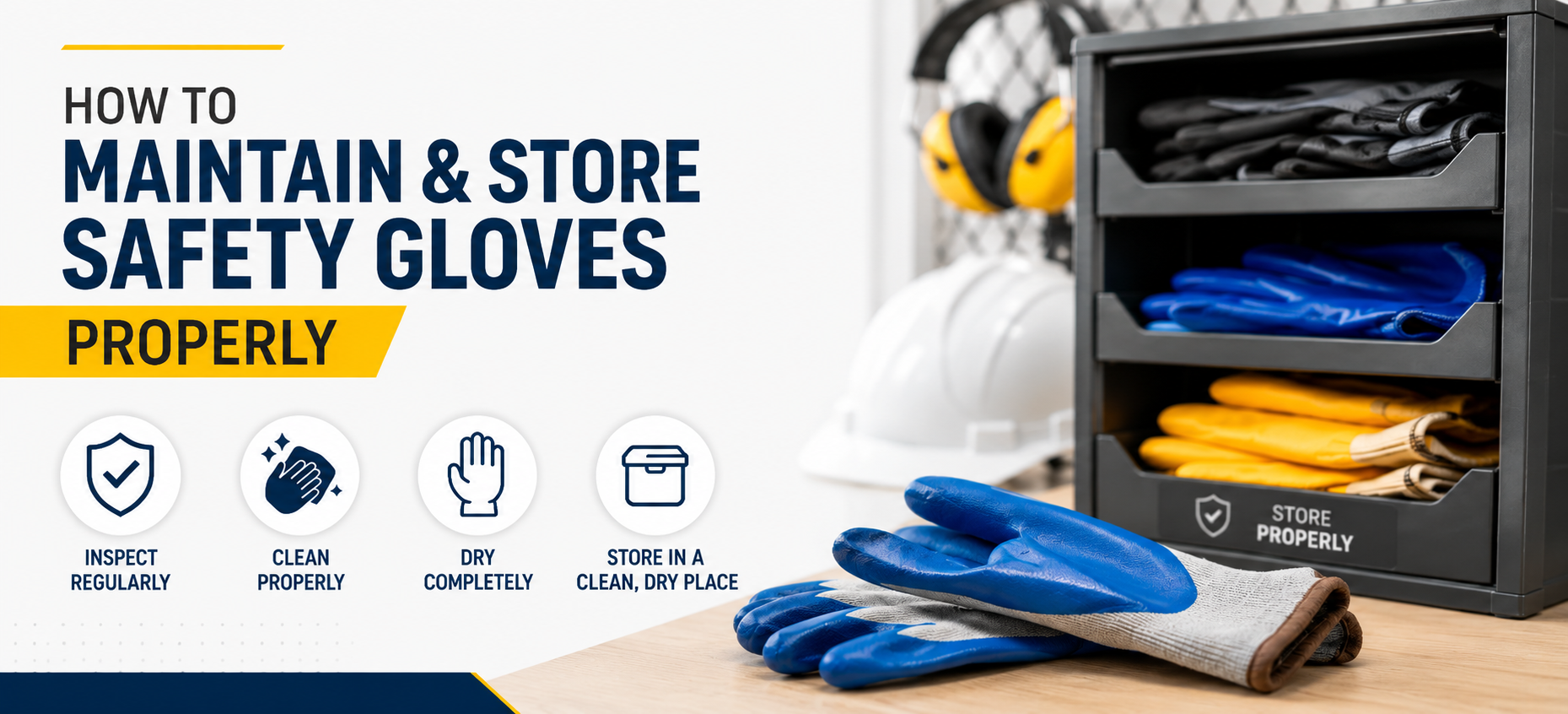
5. Skipping PPE Inspection and Maintenance
The Mistake
Many sites issue PPE but fail to inspect, clean, or store it correctly, especially in busy project environments.
How to Avoid It
- Create a simple PPE inspection routine
- Train workers on basic PPE checks
- Store PPE in clean, dry, shaded areas
6. Ignoring Climate and Site Conditions
The Mistake
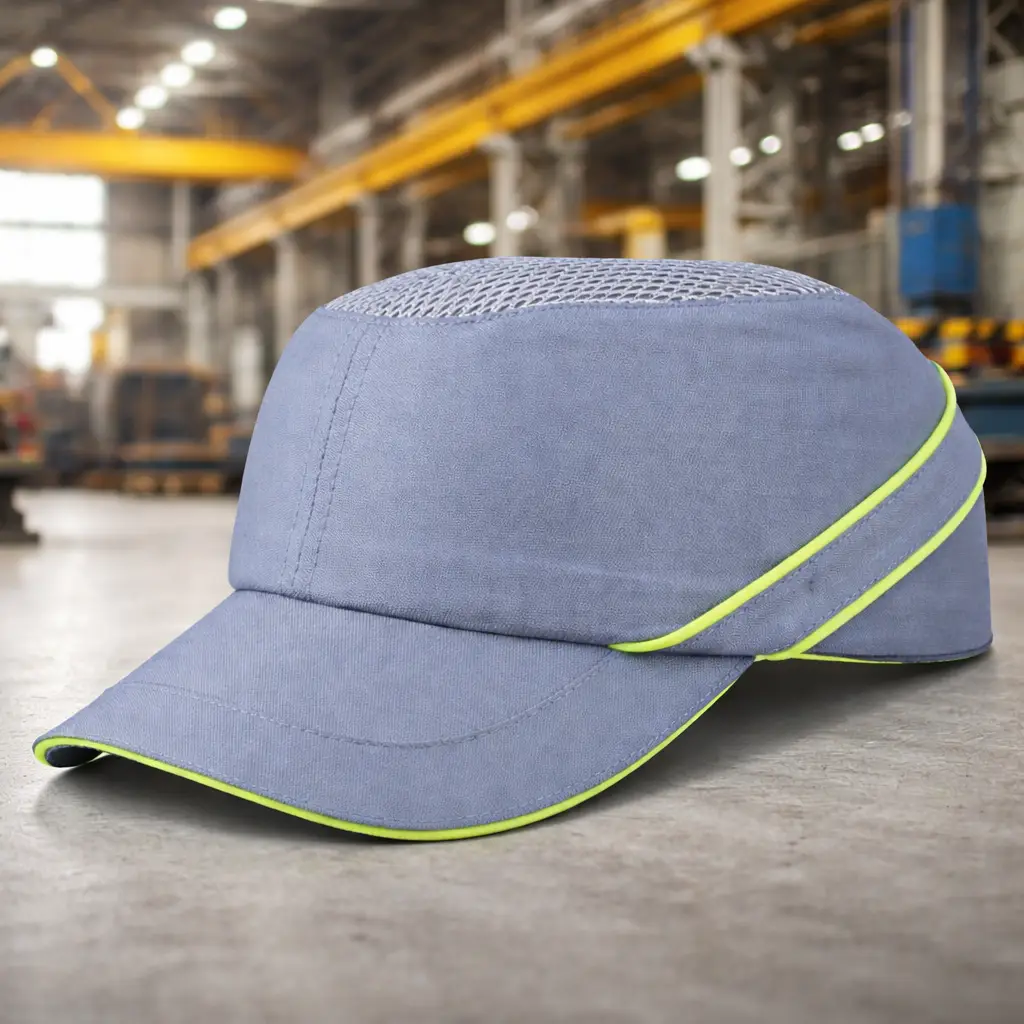
Using heavy or non-breathable PPE in hot and dusty environments can cause discomfort, heat stress, and reduced compliance.
How to Avoid It
- Select PPE suitable for hot climate conditions
- Use lightweight and breathable protective equipment
- Encourage regular breaks and hydration
This is especially important on construction sites in Saudi Arabia, where high temperatures and dust are common.
7. Lack of PPE Training and Awareness
The Mistake
Workers may wear PPE incorrectly or remove it because they do not understand its importance.
How to Avoid It
- Conduct regular safety briefings
- Train workers on correct PPE usage
- Explain real risks and accident examples
Importance of Using Certified PPE
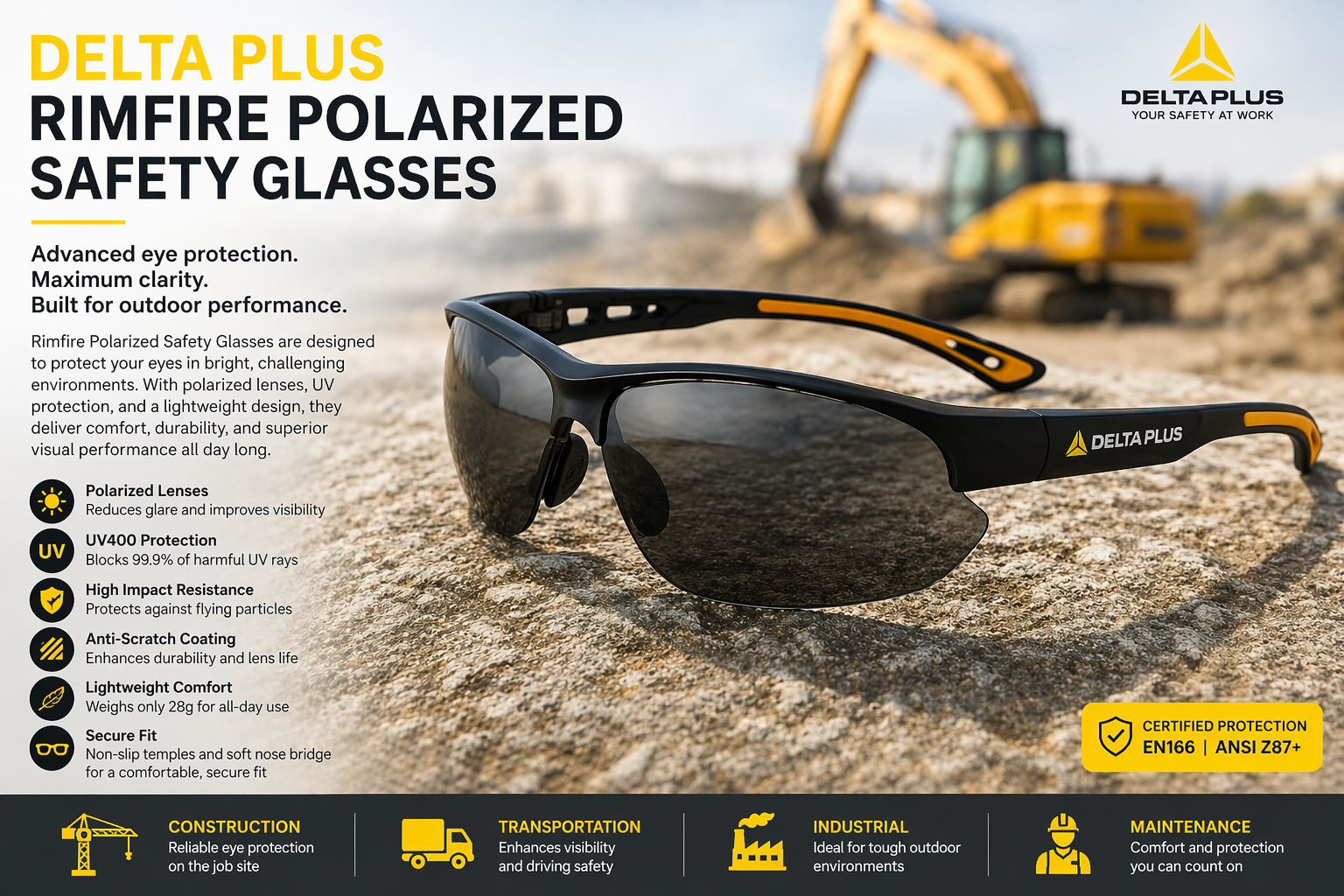
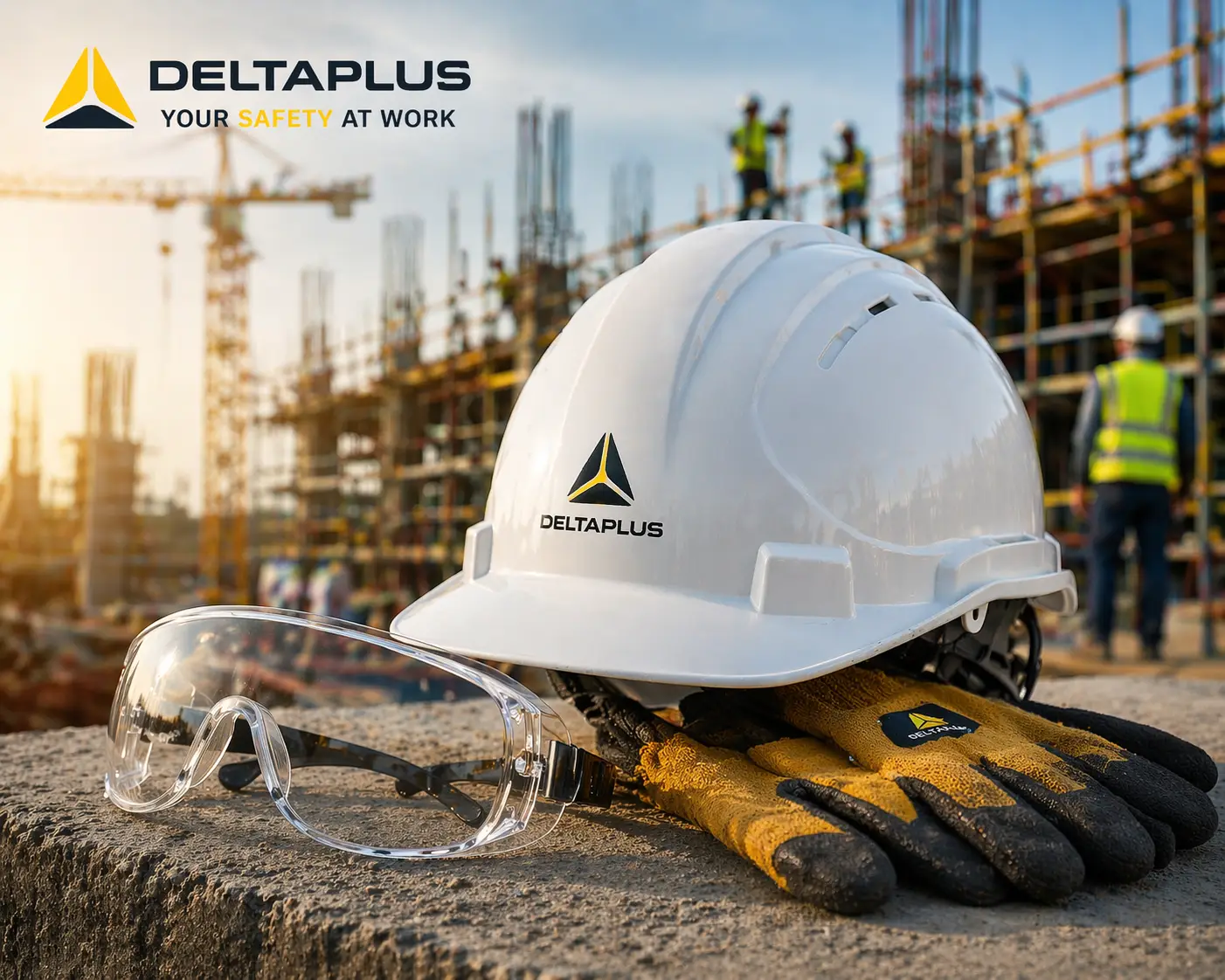
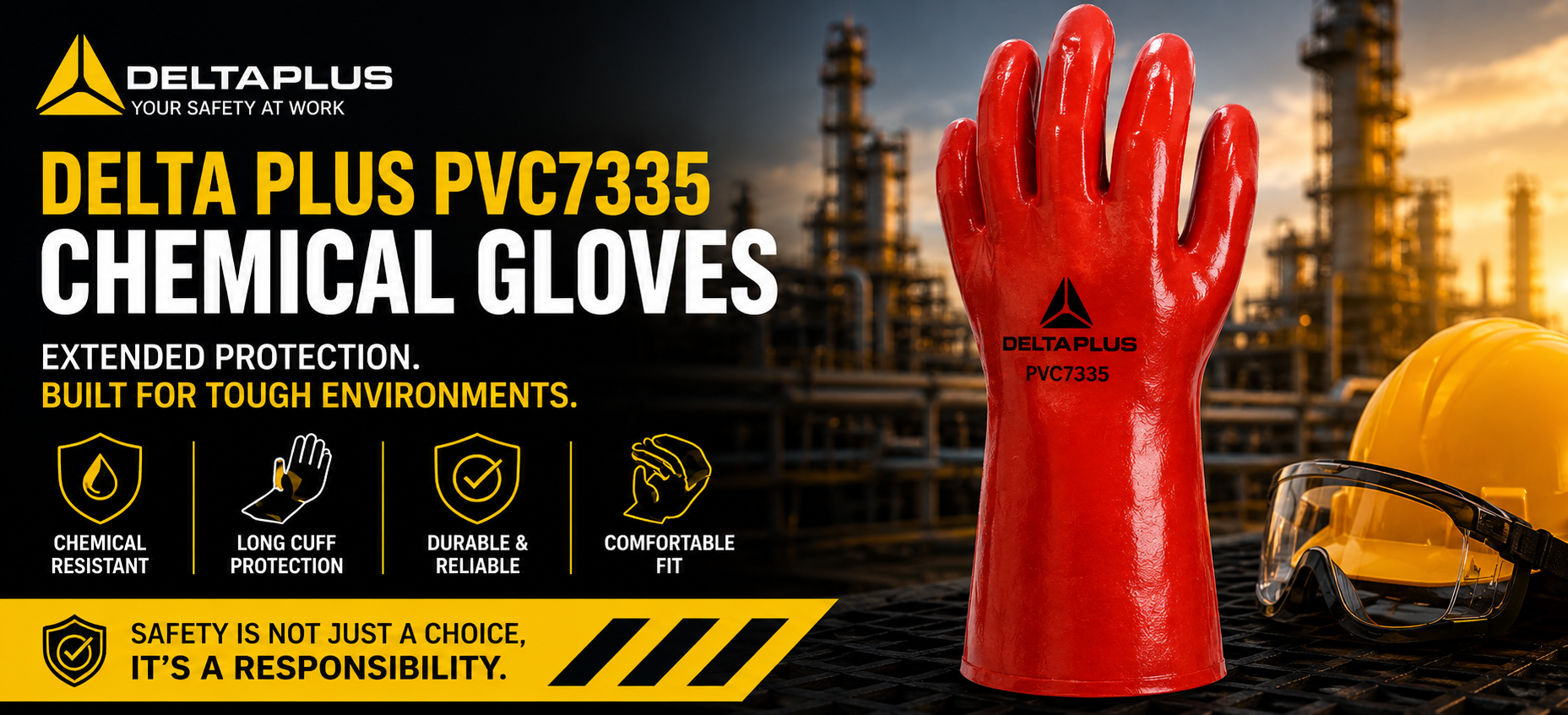
Using certified PPE from reliable manufacturers ensures consistent protection and compliance with safety standards. Globally recognized brands such as Delta Plus design PPE that meets international safety requirements and is suitable for demanding construction environments.